Egyptian Bazaar Histoy and Modernity
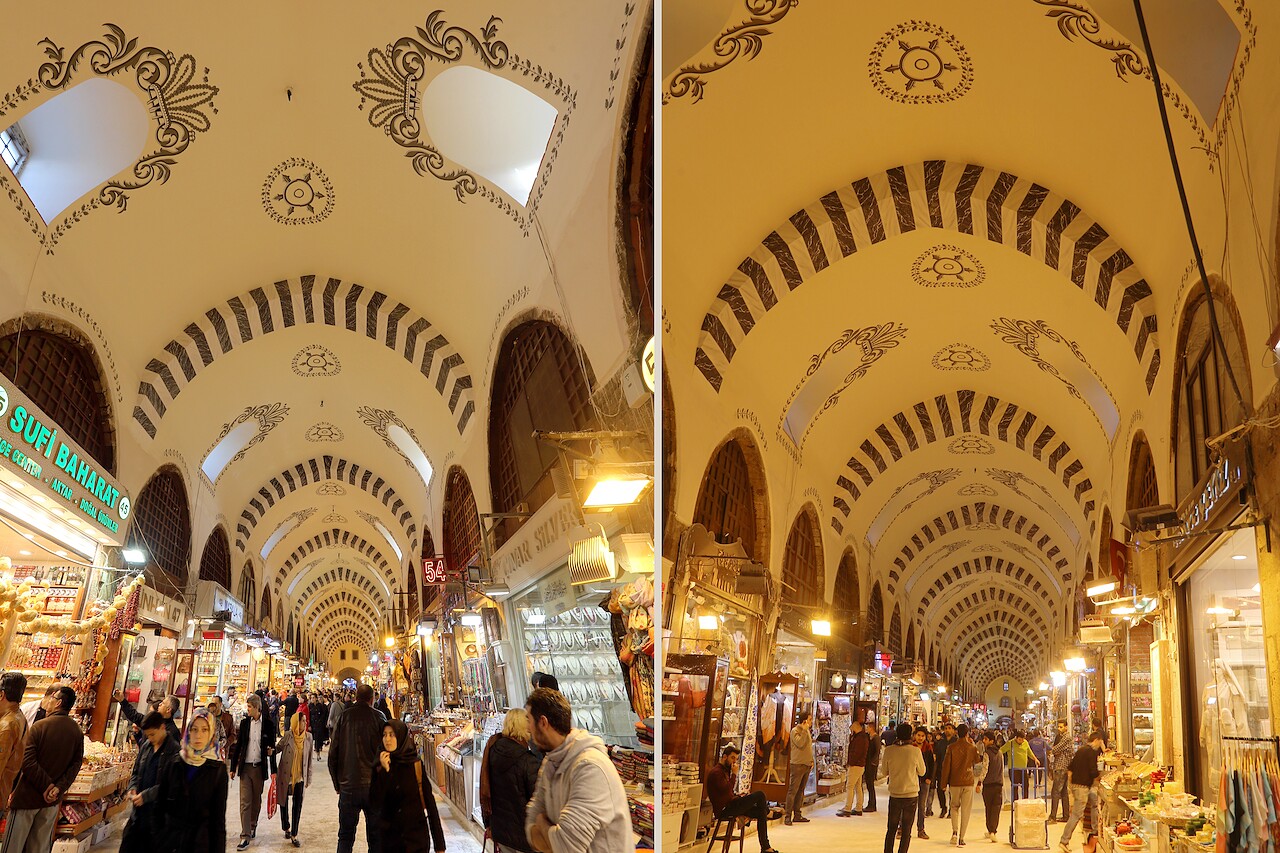
Mısır Çarşısı, the Eripet market, is the second-largest in Istanbul after the Grand Bazaar, although it is significantly smaller in scale. The building consists of two vaulted galleries located at right angles to each other.
The market is part of the New Mosque (Yeni Cami) complex, which began to be built by order of Safiye Sultan, the mother of Mehmed III, who effectively ruled the state. The trading areas near the mosques had a quite pragmatic purpose — the income from renting out stalls was used to maintain the mosque, as well as the madrasa and the hospital.

Construction began in 1597 under the supervision of the architect Mustafa Aga. However, construction was suspended as early as 1603, since after the death of Mehmed III, Safiye Sultan was removed from power.

In the second half of the 17th century, another influential woman, Turkhan Sultan, the mother of Sultan Mehmed IV, decided to revive and finance the project. Work resumed at the end of 1660, the official grand opening of the mosque took place on October 30, 1665, but the market was opened a year earlier.

Initially, by analogy with the mosque, it was called the New Bazaar (Yeni Çarşı). The current well-known name is explained simply: the market was built with funds from taxes and duties paid by merchants who arrived with goods from Egypt. Their ships were being unloaded at Eminenyu marina and the goods were going straight to the New Market. Spices, spices, incense, medicinal herbs were brought from Egypt, this assortment has been preserved to this day, therefore there is another name - the Spice Market.

Due to the fact that the market traded in flammable goods (oils, dry herbs, cotton), and the lighting for a long time remained either torchlight or oil‑based, it was difficult to avoid fires. The first serious disaster occurred just 24 years after the official opening of the complex. As a result of a fire in one of the adjacent buildings, the wooden structures around the market and a small part of the shops were burned down, but overall the building suffered almost no damage.

However, three years later, the consequences were much worse - in January 1691, a fire started inside the market, the fire It raged for two days and completely destroyed the building. After that, the market had to be rebuilt.

The 1940 fire was the second-largest disaster in the history of the Egyptian Bazaar. The fire caused colossal damage, and the building needed a complete reconstruction.
The Istanbul municipality took charge of restoring the facility; the work took three years. During this reconstruction, the bazaar radically changed its appearance, permanently losing a significant portion of its original architectural details from the Ottoman era.

To prevent similar incidents in the future and to make it more difficult for fire to spread, the authorities changed the internal layout. Historically, each shop consisted of a trading area with wooden counters and shelves and storage rooms separated from the trading area by a wooden wall. There were also wooden walls between the benches.

During the reconstruction, all the partitions were demolished, and the storage areas, which were the main source of fire safety, were given over to shops. The market was also separated from the New Mosque complex by a wide road.

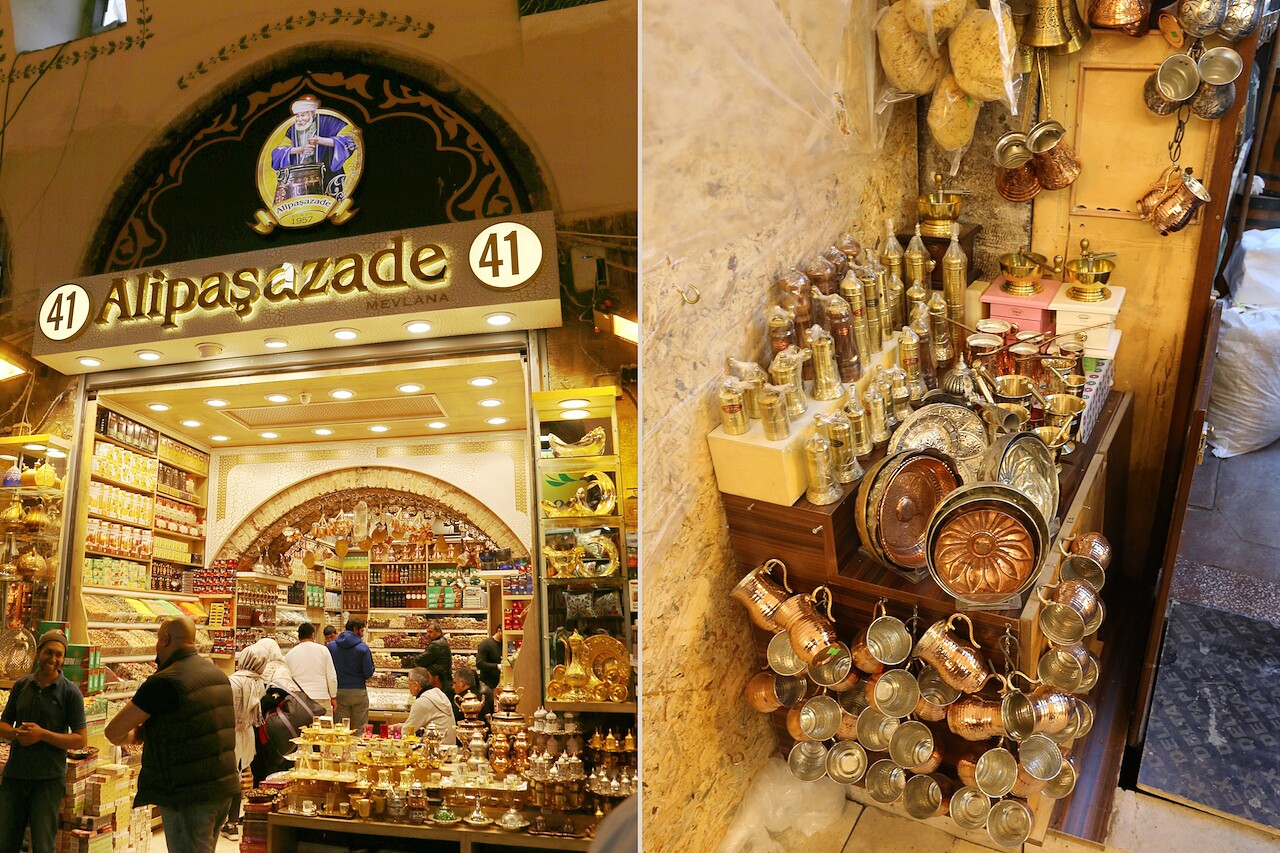
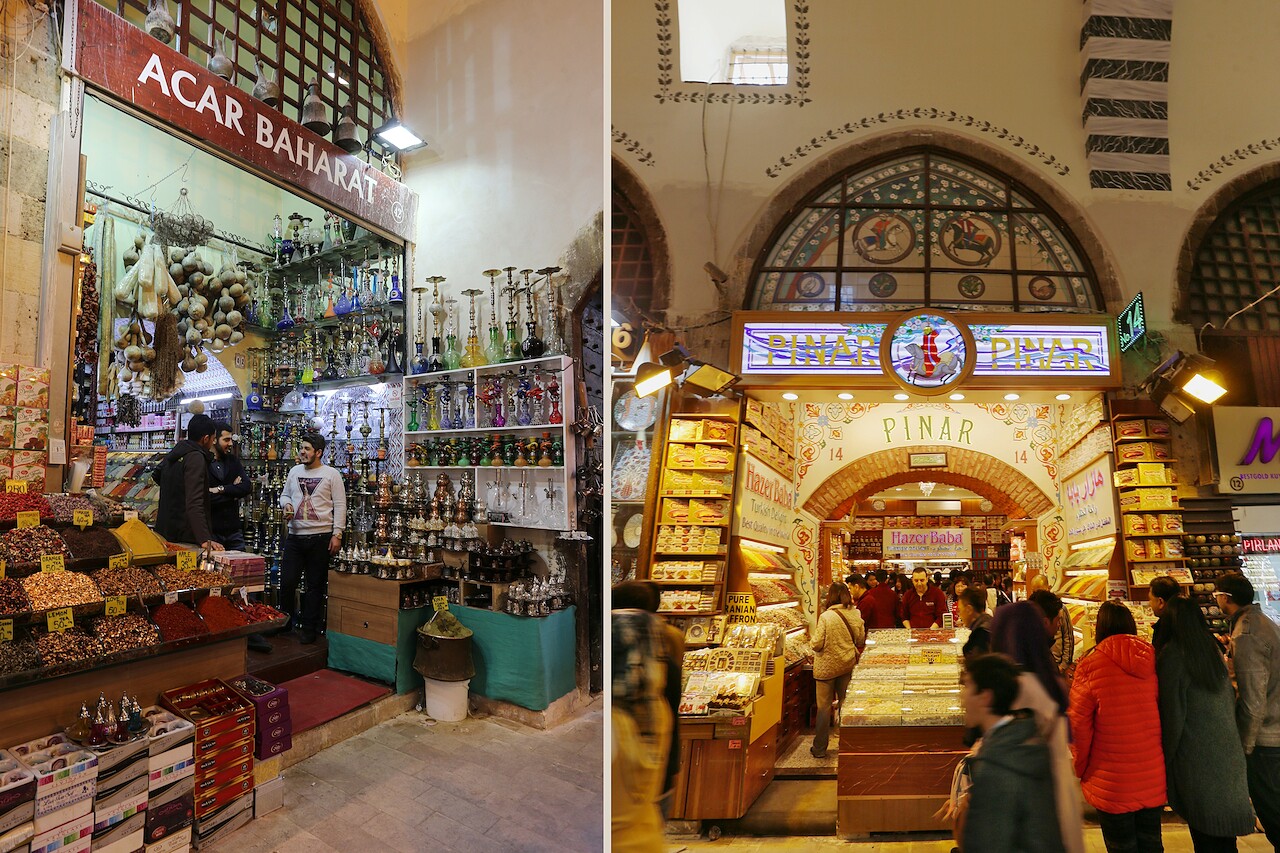
Today, there are more than 110 shops here selling famous Eastern spices, tea, coffee, sweets, dried fruits, nuts, cheeses, and pastrami. In addition, you can find traditional copper and silver tableware here, and, of course, souvenirs.

Sellers actively lure customers and let them try the product. The prices for most goods are fixed, and it’s not customary to bargain here, even though this is purely a tourist attraction — local residents buy from open stalls in the surrounding streets, where prices are significantly lower.

The market is open daily from 08:00 to 19:30, but the shops have their own schedule. On Sundays, they open a little later, around 09:00–10:00. The bazaar is closed only on the days of the main religious holidays, Ramadan and Eid al-Adha, as well as on Republic Day, October 29.