Estación del Norte, Valencia
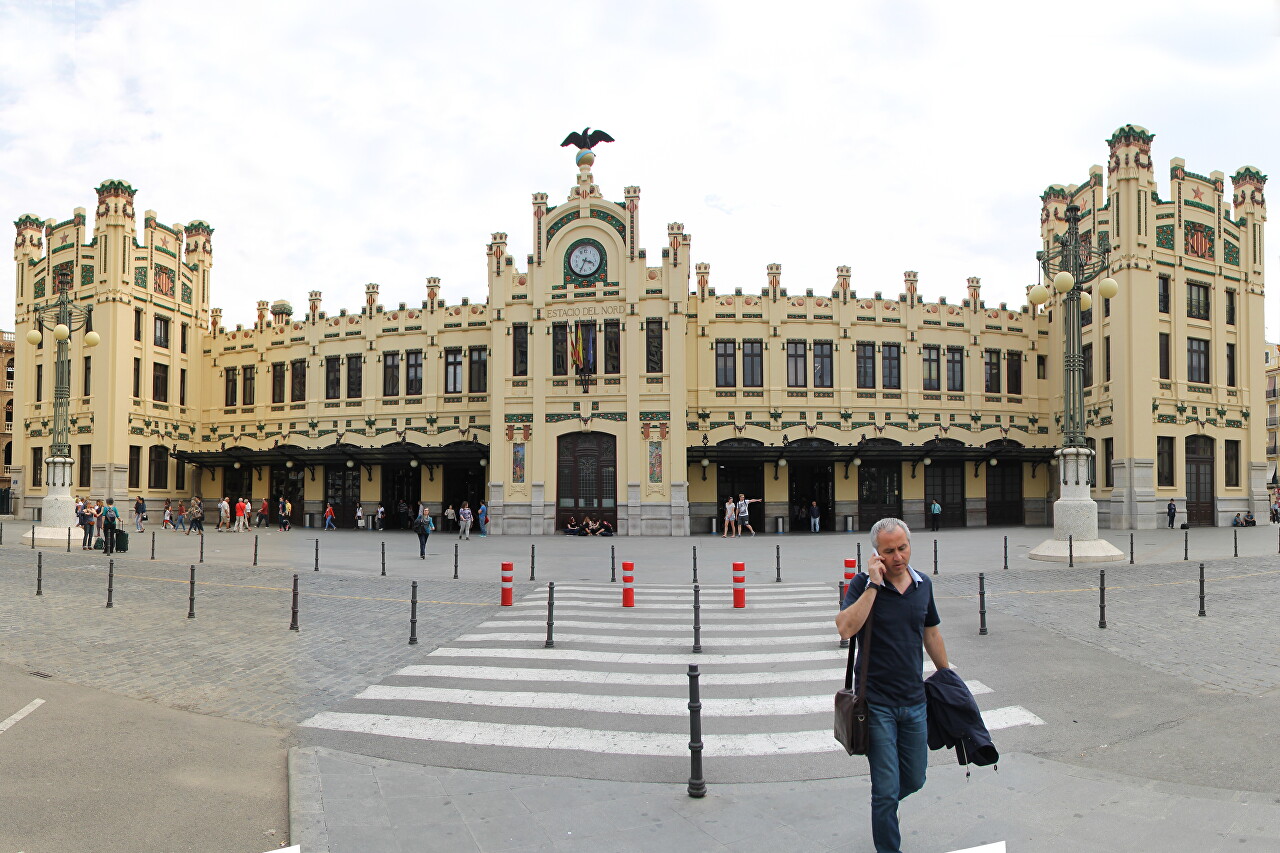
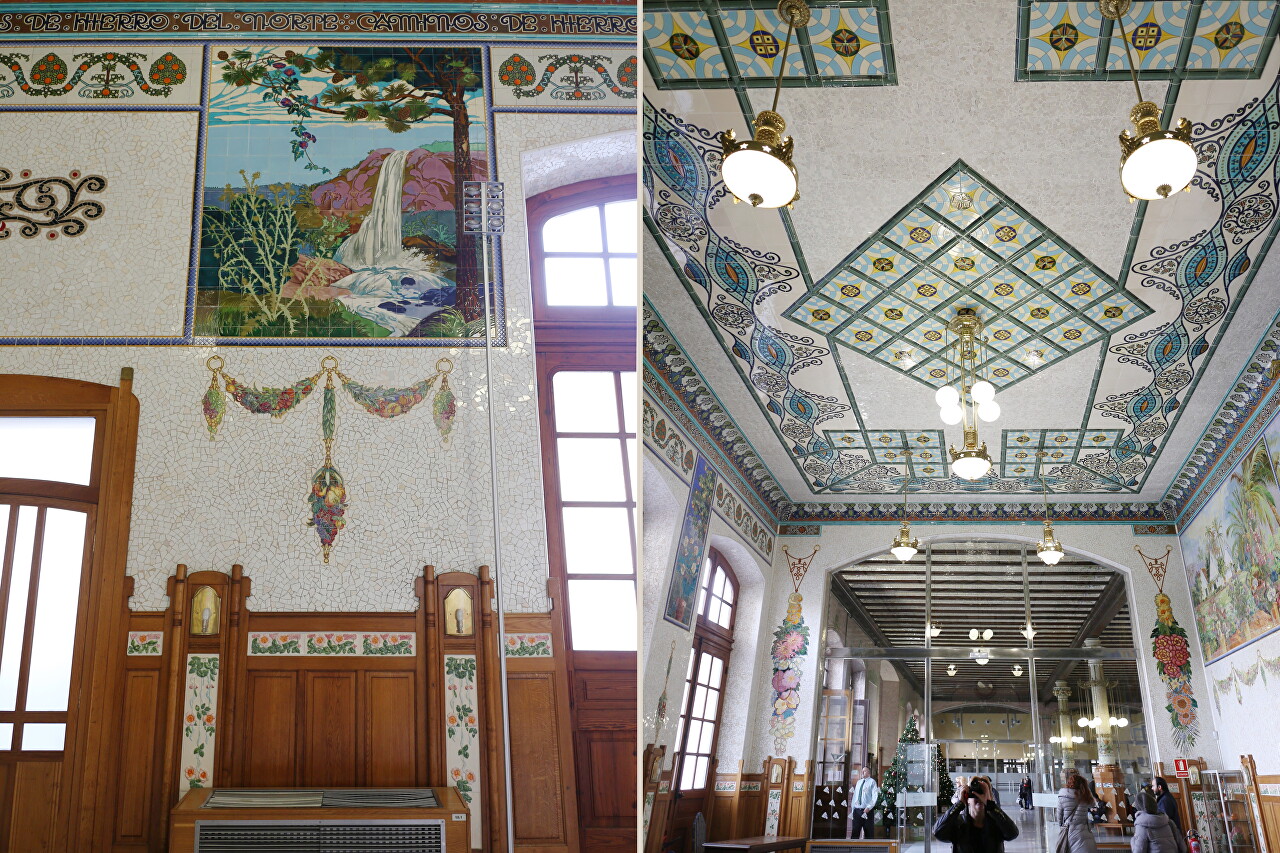
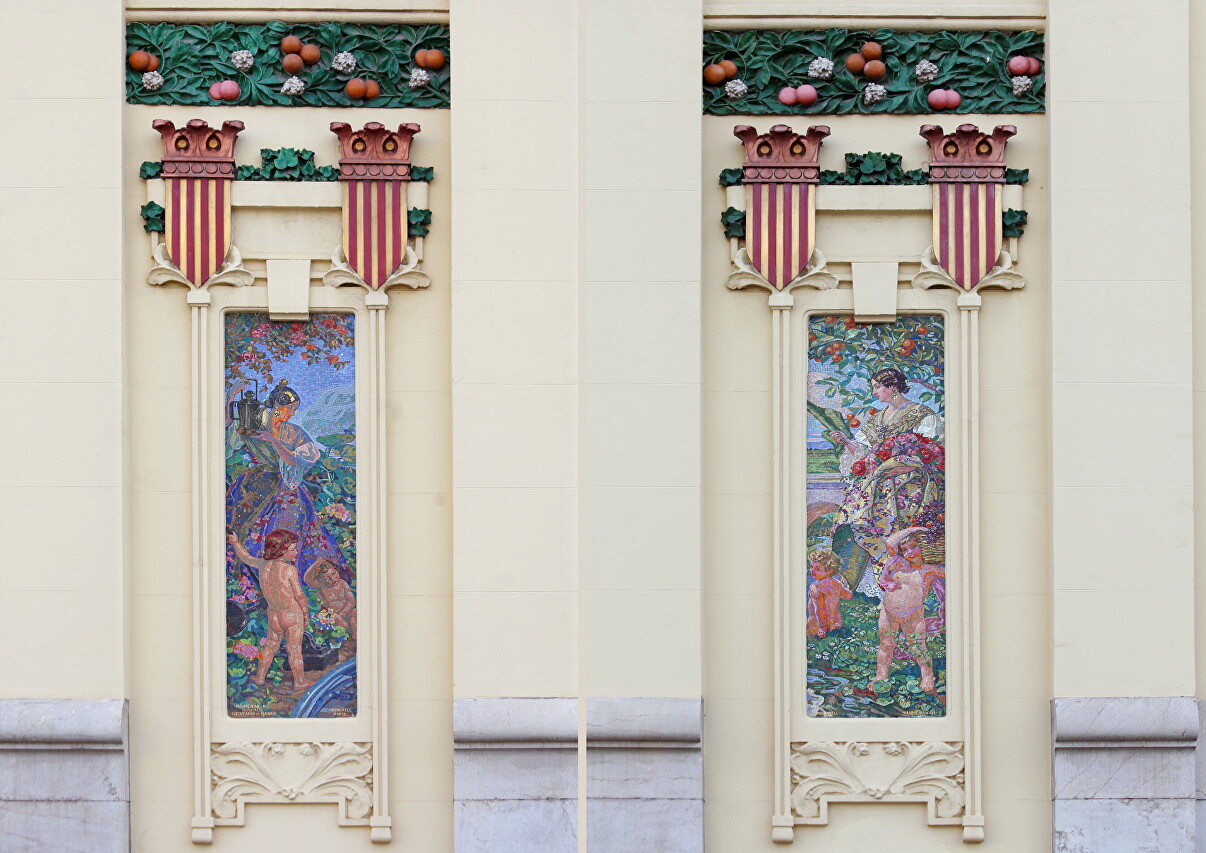
From the Town Hall Square, I headed along the Avenida del Marqués de Sotelo, where, two blocks away, there is another masterpiece of Valencian Art Nouveau, which is often called the Gare du Nord. In fact, the word Norte in this case does not mean the direction of travel or location, but the name of a private railway company (full name Compaña de los Caminos de Hierro del Norte de España). This company was founded in 1858 and began its activities with the line connecting Madrid with France, then the Madrid-Irun line (Northern Railway), which played a huge role in the industrial development of the Biscay provinces. On August 14, 1884, Norte acquired Compañía del Ferrocarril de Lérida, Reus y Tarragona, which owned the Tarragona-Valencia railway. At the beginning of the 20th century, the company's efforts significantly expanded the railway network in Valencia and the old station could no longer cope with passenger traffic. I must say that at that time there were four small stations in Valencia serving different destinations. The design of the new station was entrusted to the company's staff architect Demetrio Ribes, who participated in the construction of the Estación del Norte station in Madrid. In 1906, he presented the initial design. Construction began on August 2, 1907, but was delayed for 10 years. The station was opened on August 8, 1917. The new station covered an area of more than 15,000 m2 (three times the size of the old one), and the platforms were covered with a 24.5 m high metal canopy designed by engineer Enrique Grasset. In the late twenties, Norte became the main company in Spain, but the Civil War destroyed most of the infrastructure, which it did not have the means and strength to restore. In 1941, the government nationalized all of Spain's railways, forming the RENFE state-owned company, which still exists today. In 1961, the station in Valencia was declared a historical and artistic monument, and in 1983, an object of cultural significance.
..

..

..
..
..

..

..
..
..
