History of the Origin of Fire Services
The first hall of the Firefighting Museum in Zaragoza tells the story of the first firefighting teams. As humans evolved and left the caves, they learned to build their own homes, and the problem of protecting them from fire has been a constant challenge. Over time, various methods and tools were developed to combat fires, but it wasn't until ancient Rome that firefighting was established on a professional basis.
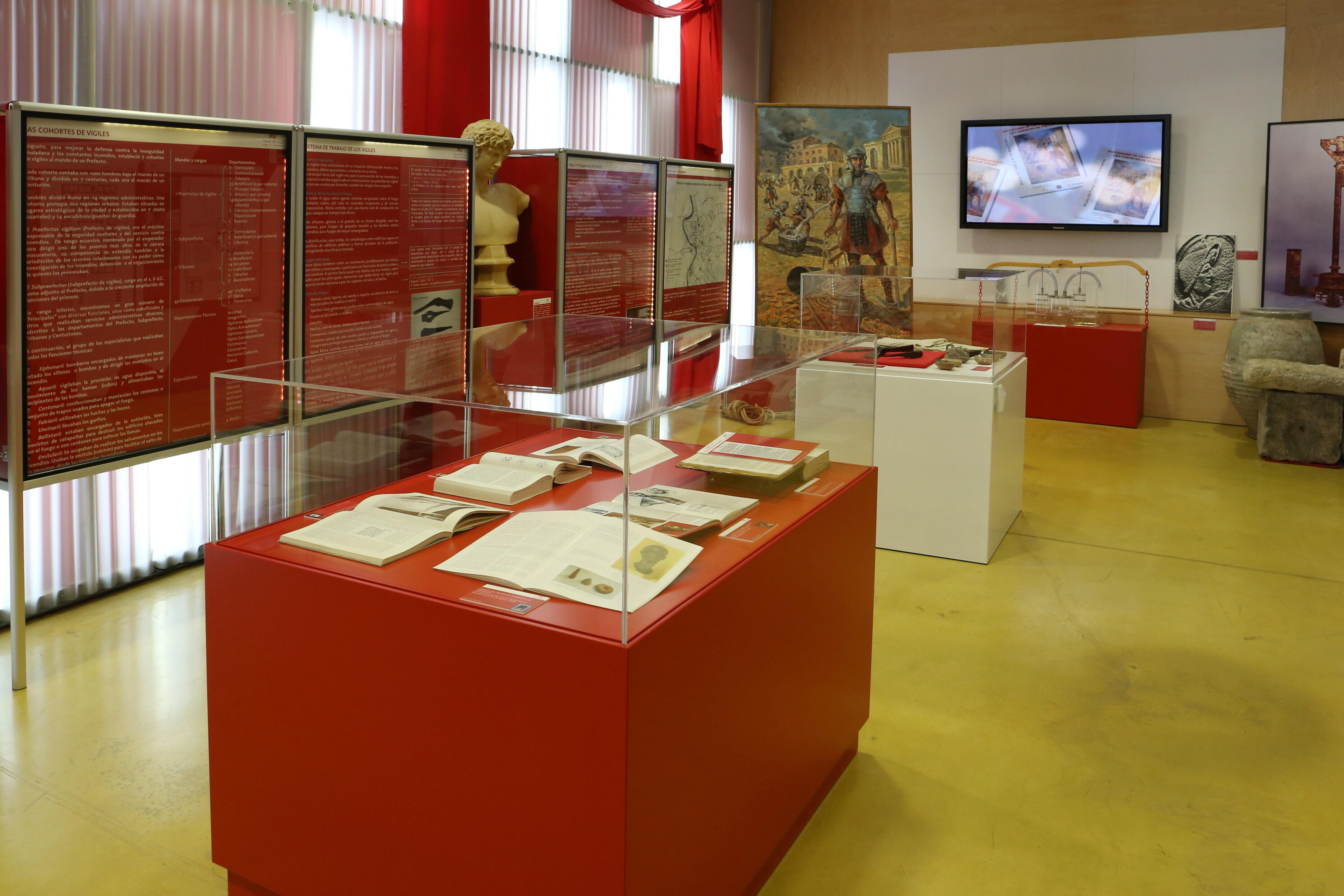
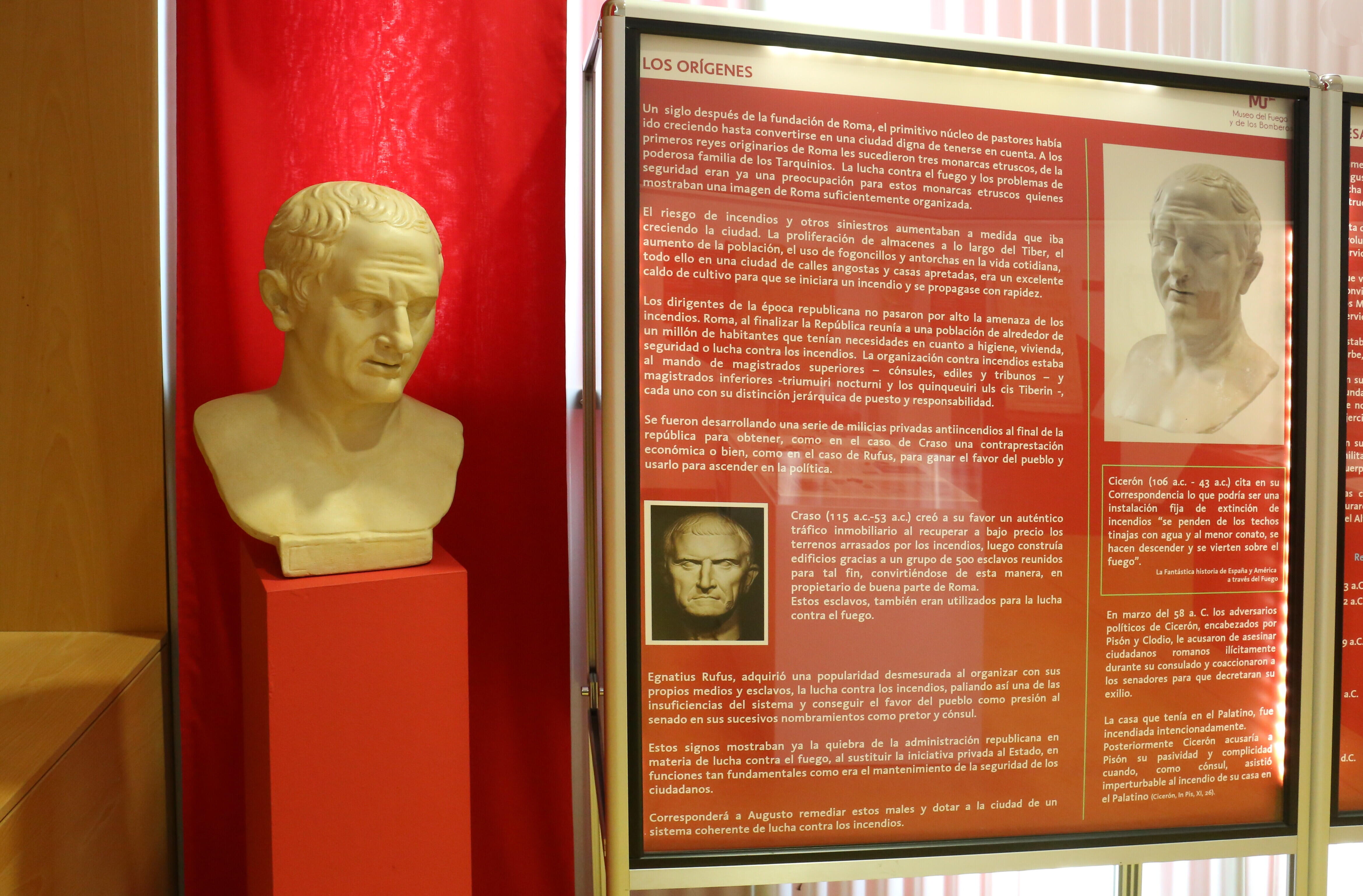
In the sixties BC, the first professional fire brigade appeared, organized by the rich Roman Craso. As firefighters, Krasus used captured Gauls, who not only put out fires, but also improved their skills in constant training. The enterprising Roman obtained funds for the maintenance of the team in an original way - first he bought a burning house for a nominal fee, and sometimes even neighboring ones, and only then did his people start extinguishing it. After that, the houses were restored and sold, often to their former owners. In 21 BC, Emperor Augustus organized a firefighting unit made up of state slaves, and in 6 AD, a service was established that recruited freed slaves, with the incentive of Roman citizenship for their hard and dangerous work.
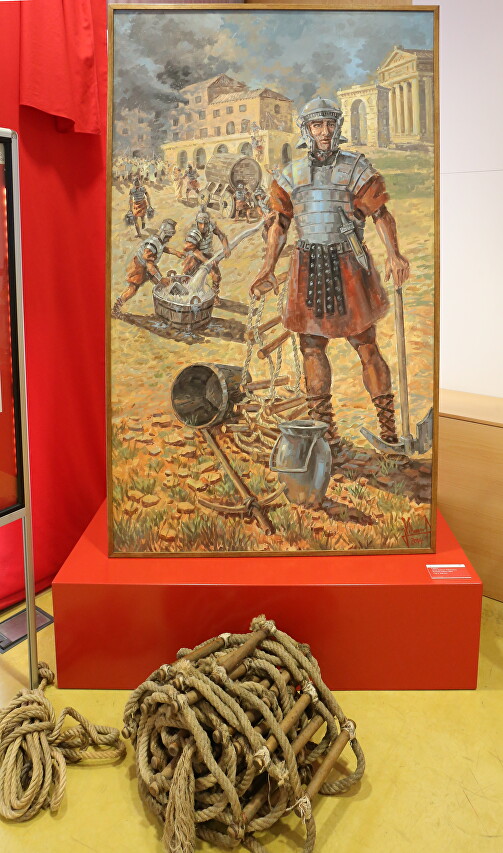
The first technical means were simple: barrels of water on carts, buckets, rope ladders, and axes.
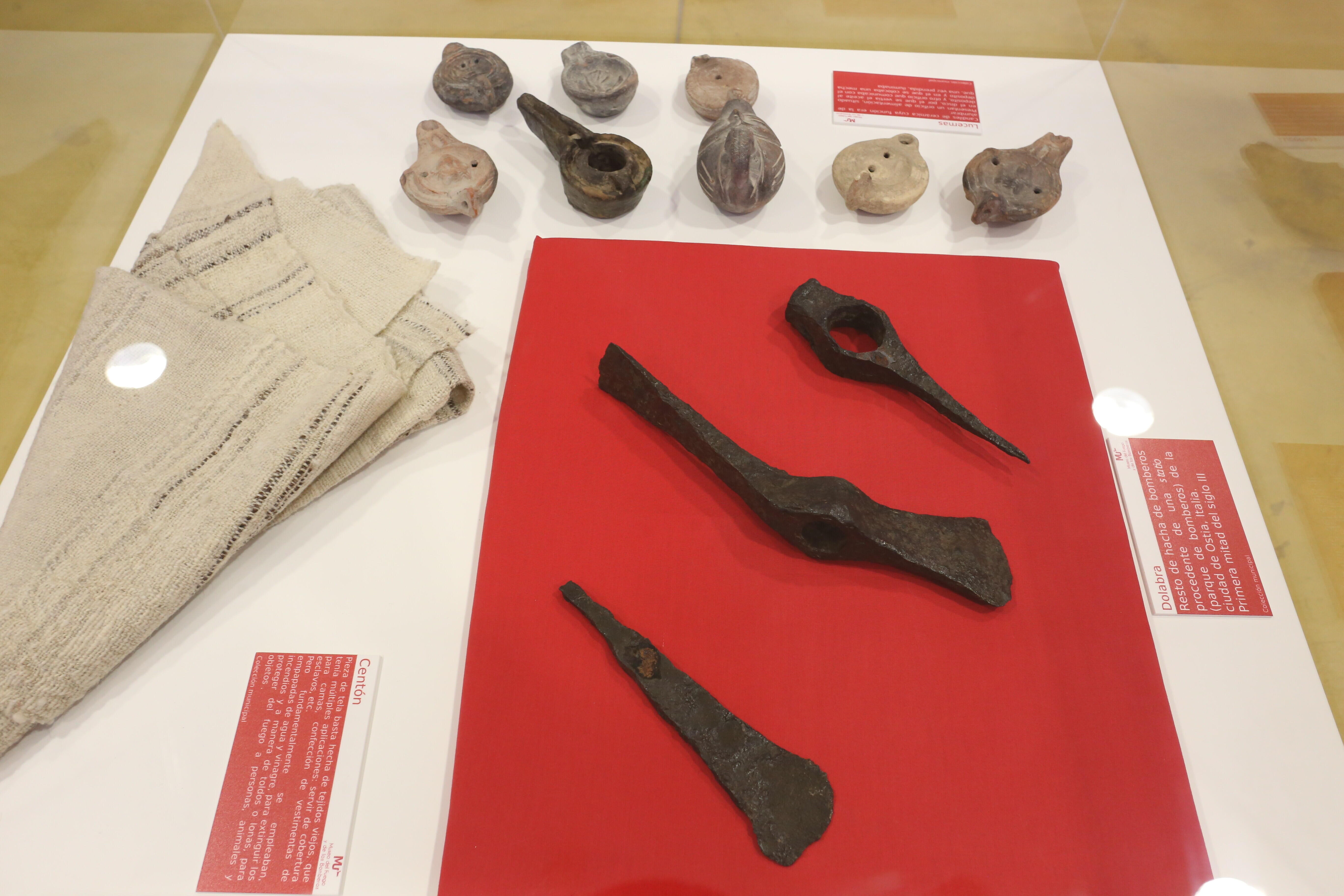
In one of the stands, you can see archaeological artifacts from that era: iron axes used by firefighters and oil lamps, which were the main sources of fires. You can also see a cloth cover that was soaked in vinegar for fire resistance and was used to extinguish small fires in the absence of water. Modern firefighters still use axes of various shapes, and the non-flammable cover can be seen in modern kitchens.
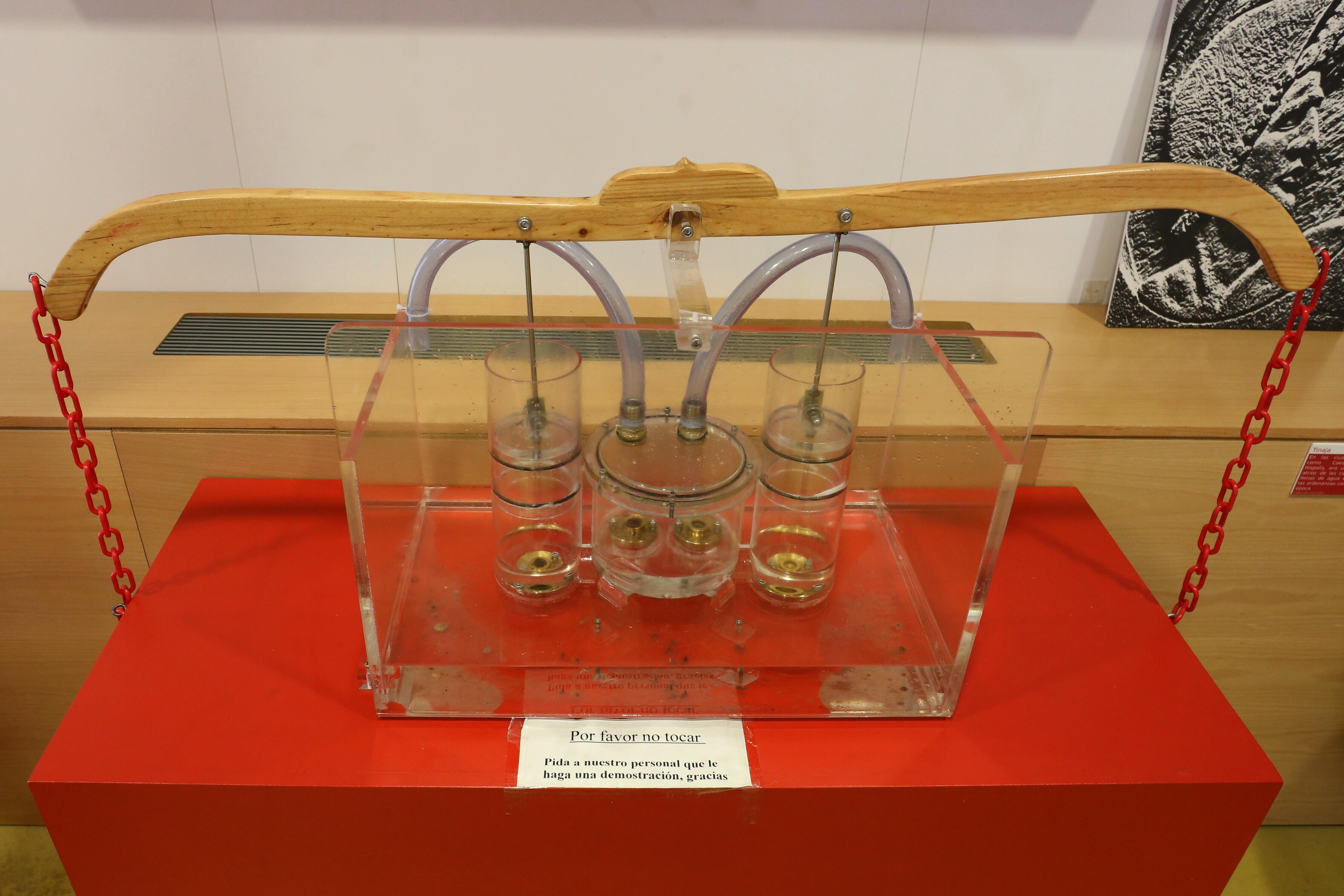
The main means of extinguishing fires was water, and supplying water to the fire was the most time-consuming task. Water was usually brought to the fire site in barrels, and the fire was doused with buckets. The invention of a water pump by the Greek scientist Heron was a significant breakthrough. Description. The invention of the Greek scientist was made between 250 and 150 BC.
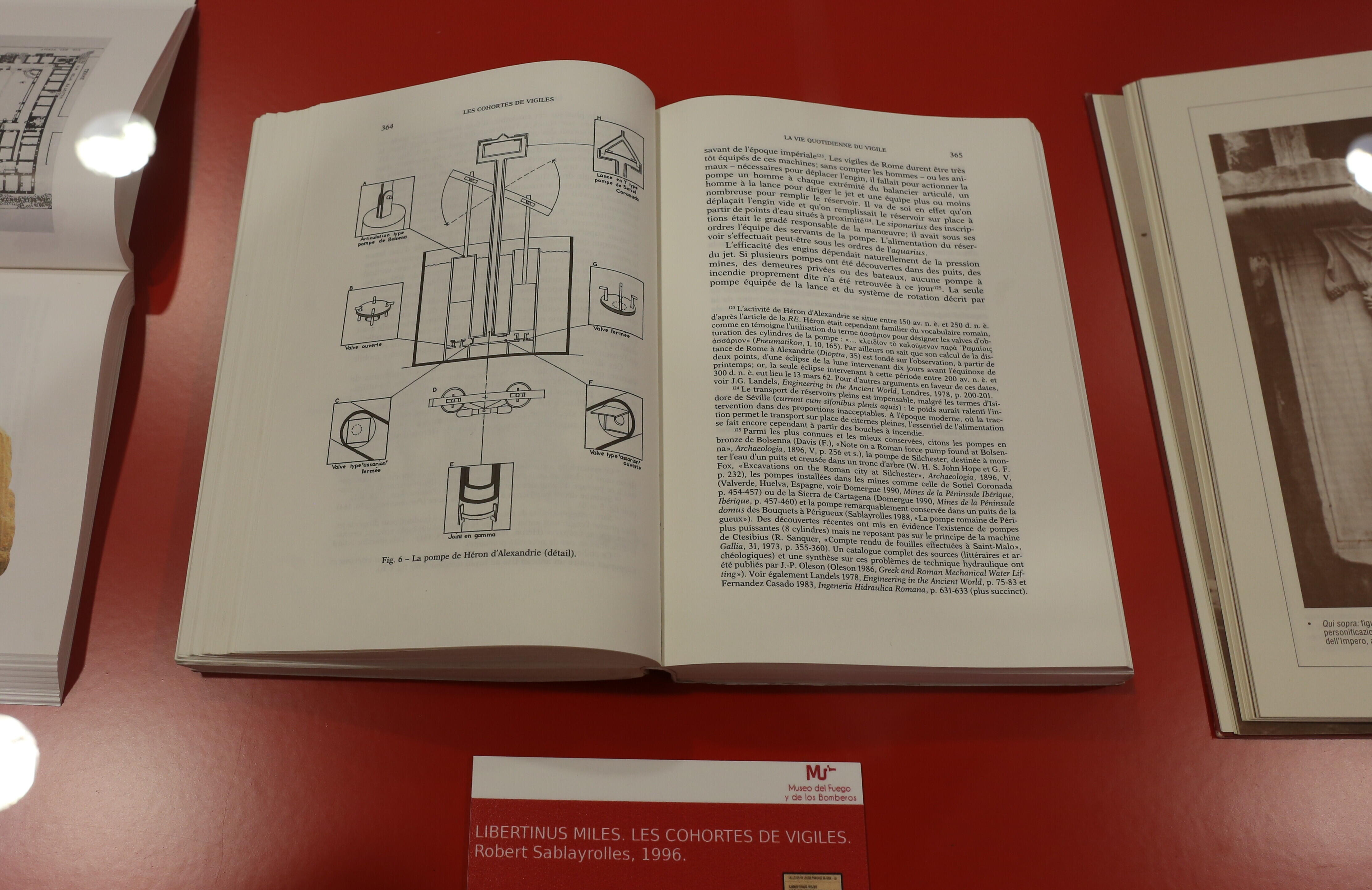
Although the Heron pump was invented around 200 BC, its widespread use did not begin until the Renaissance.