History of Hand-Held Firefighting Equipment (Zaragoza Fire Museum)
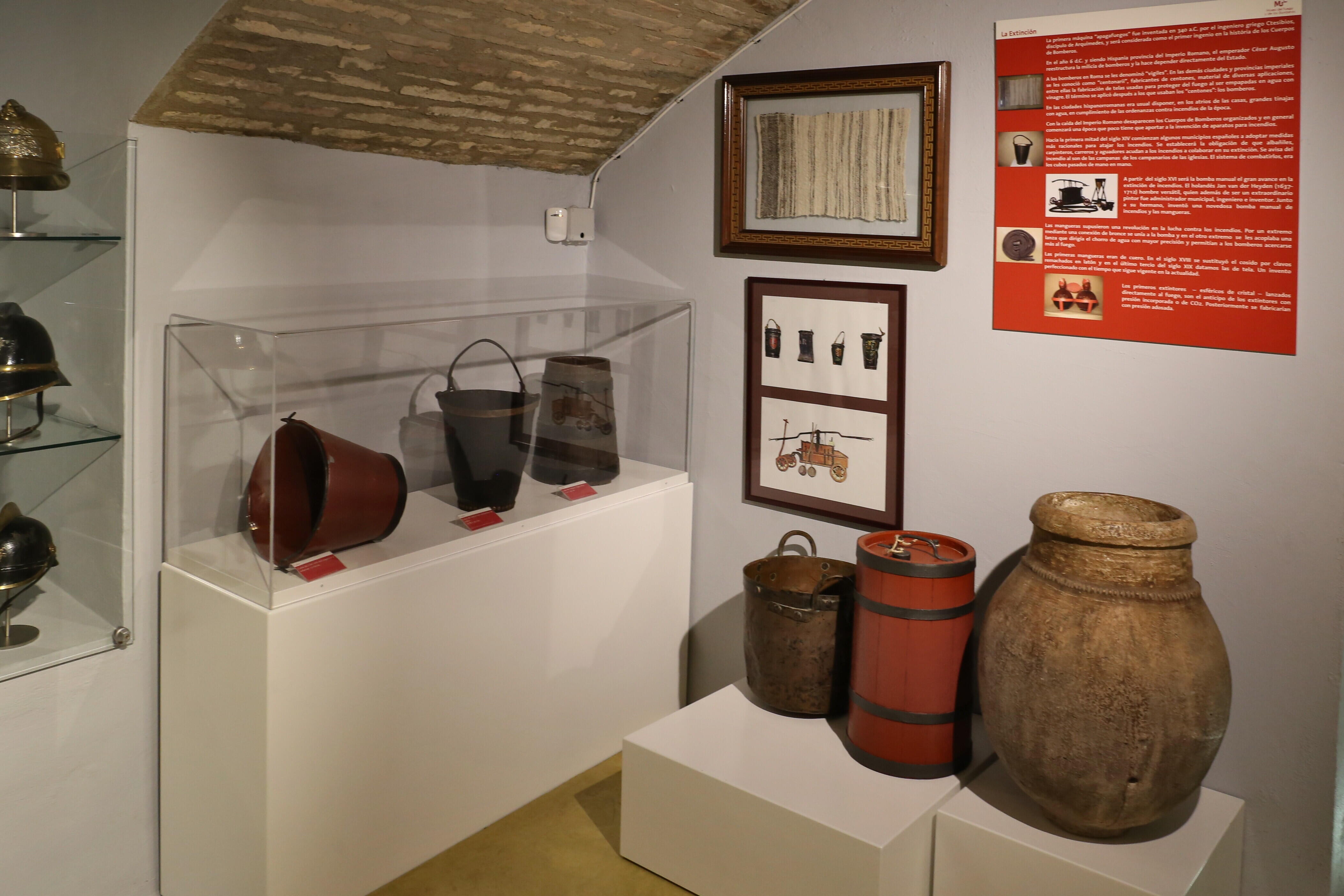
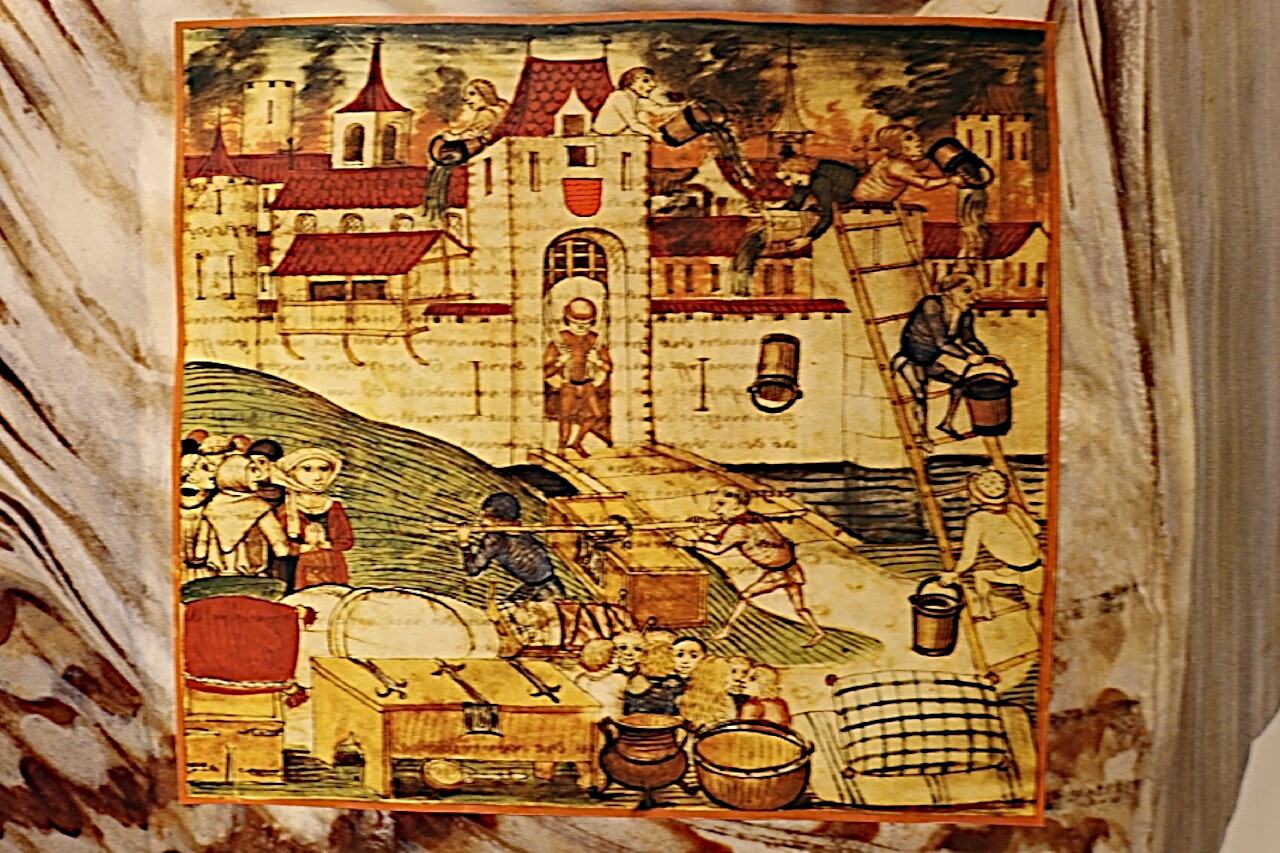
Under the stone vaults of the monastery's basement, there is an exhibition dedicated to the evolution of firefighting techniques over the centuries. During the Middle Ages, the density of buildings in cities surrounded by fortified walls increased significantly, leading to an increased risk of fires. Despite strict measures to control fire hazards, not only individual buildings but also entire neighborhoods and even large cities were engulfed in flames. As depicted in ancient drawings, the technology for fighting fires remained unchanged since Roman times, with the use of water barrels, buckets, and ladders. In that era, saving a single building was out of the question - the main goal was not to put out the fire, but to prevent its spread.
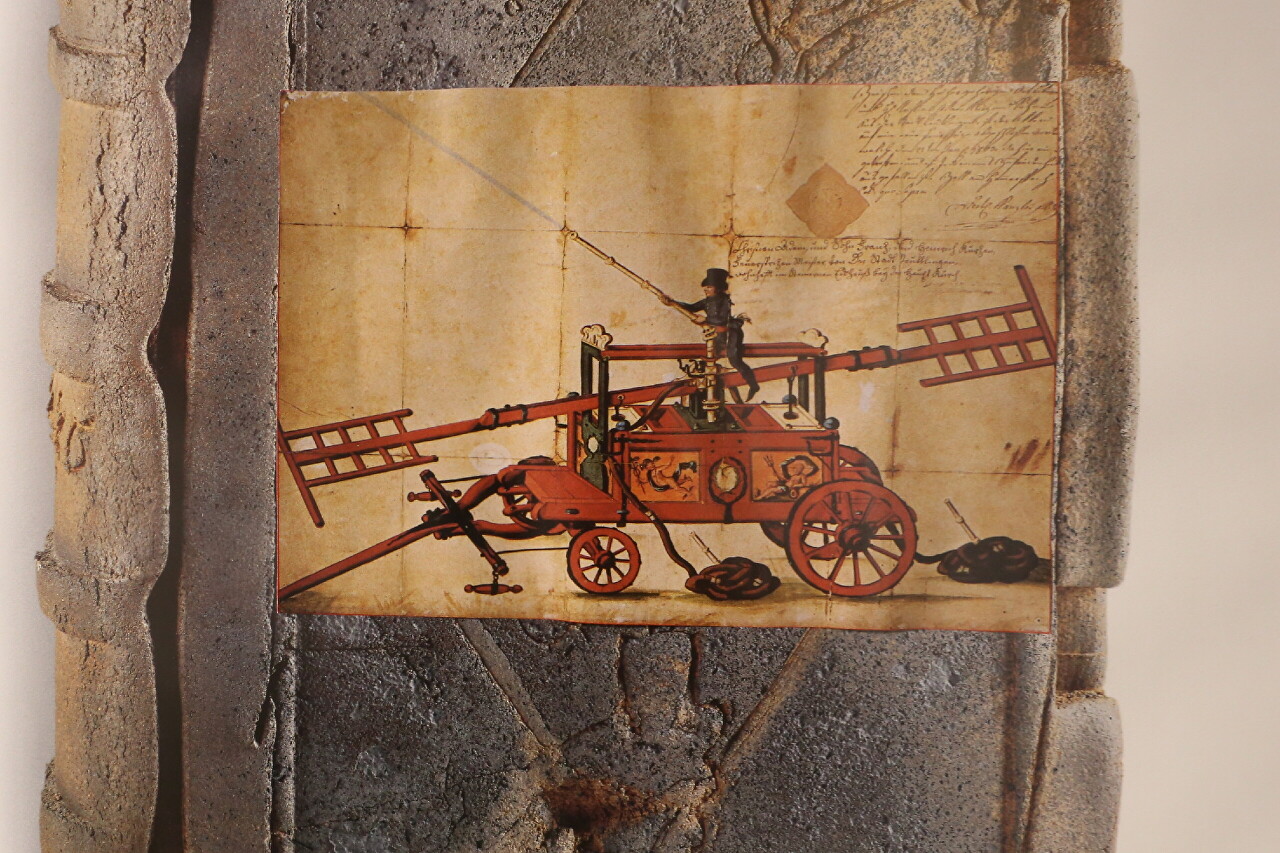
During the Renaissance, engineers and scientists, including the great Leonardo da Vinci, took up the task of fighting fires. Over time, their innovations were adopted by fire departments. One of the illustrations in an old book shows a mobile pump equipped with hoses, fire hoses, and a lance, which are the precursors of modern fire trucks.
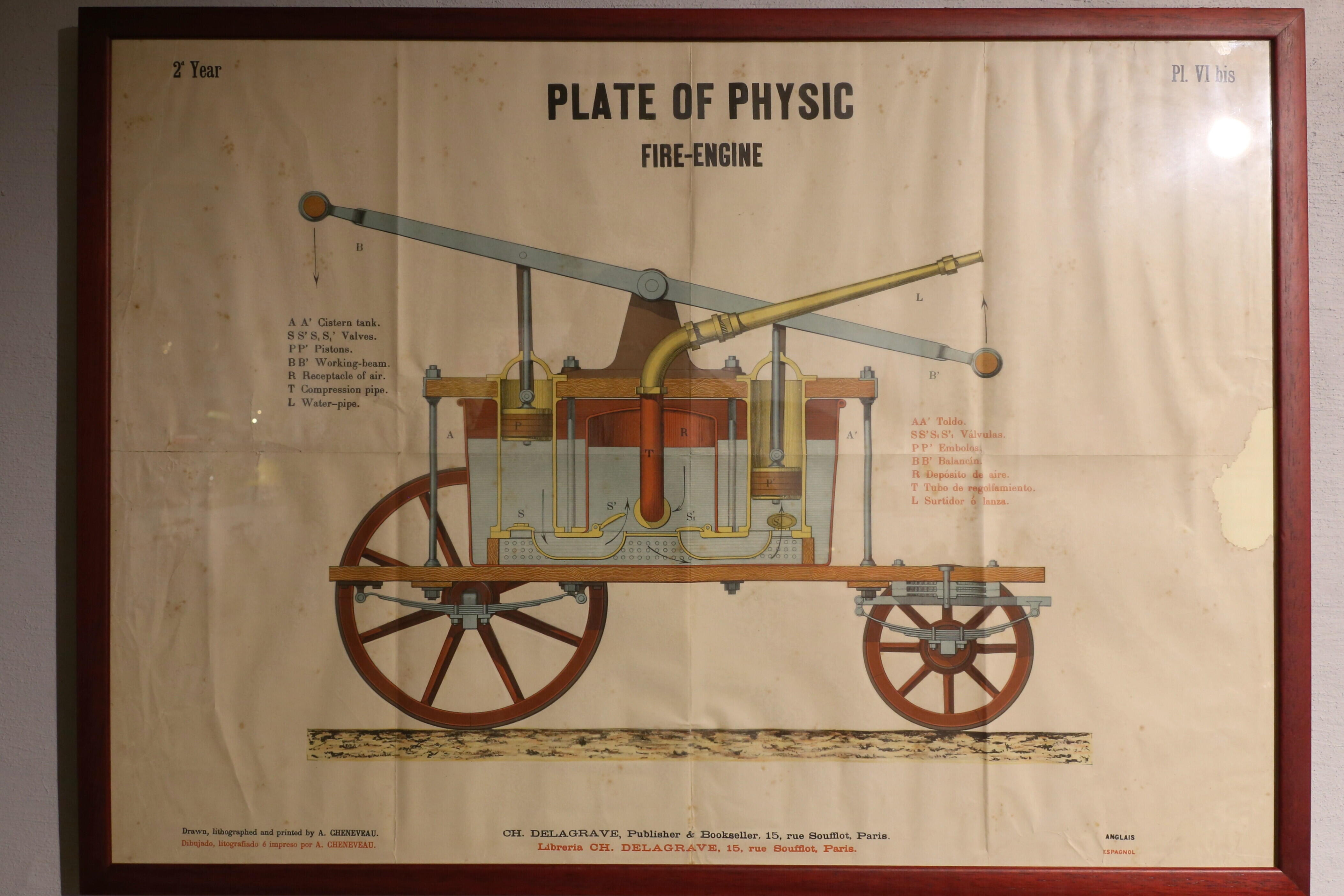
With the beginning of the industrial era, water supply systems began to develop rapidly, and fire pumps were mass-produced. However, the primary source of energy remained muscle power, which powered the ancient Heron pump.
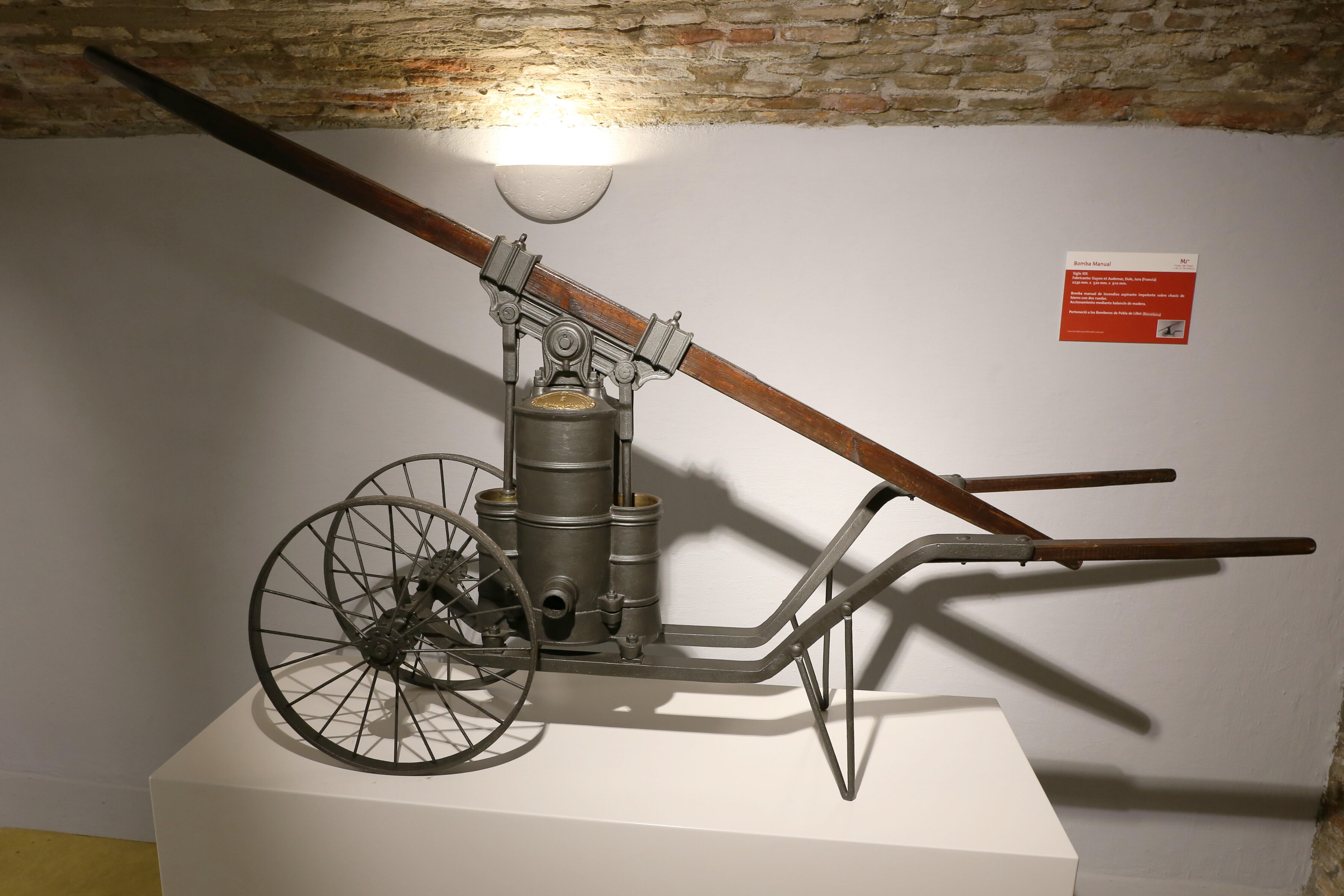
A mobile pump manufactured by the French company Cuyon et Audemar.
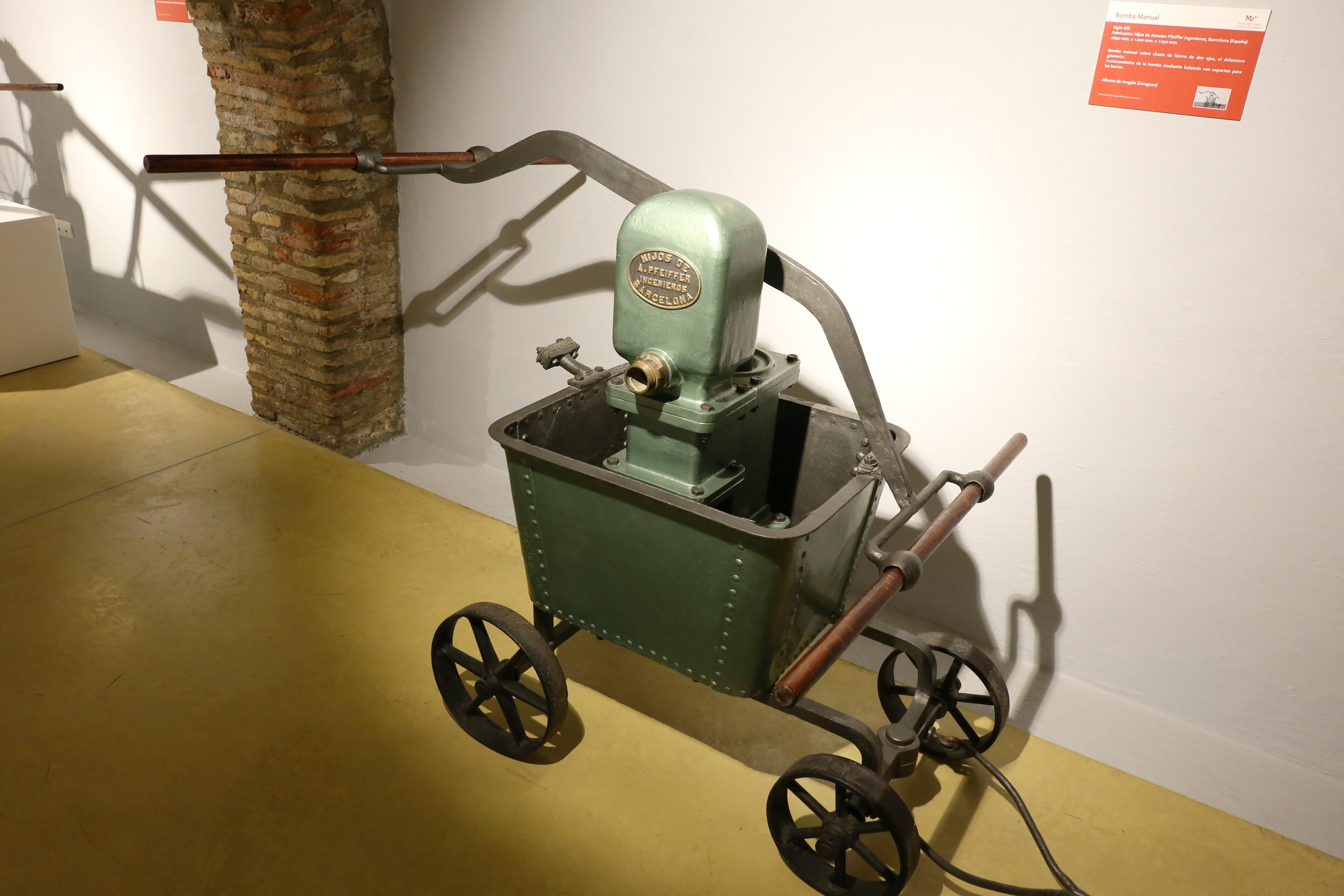
A small pump manufactured by the Barcelona factory Hijos de Amador in the late 19th century was a popular choice for small farms.
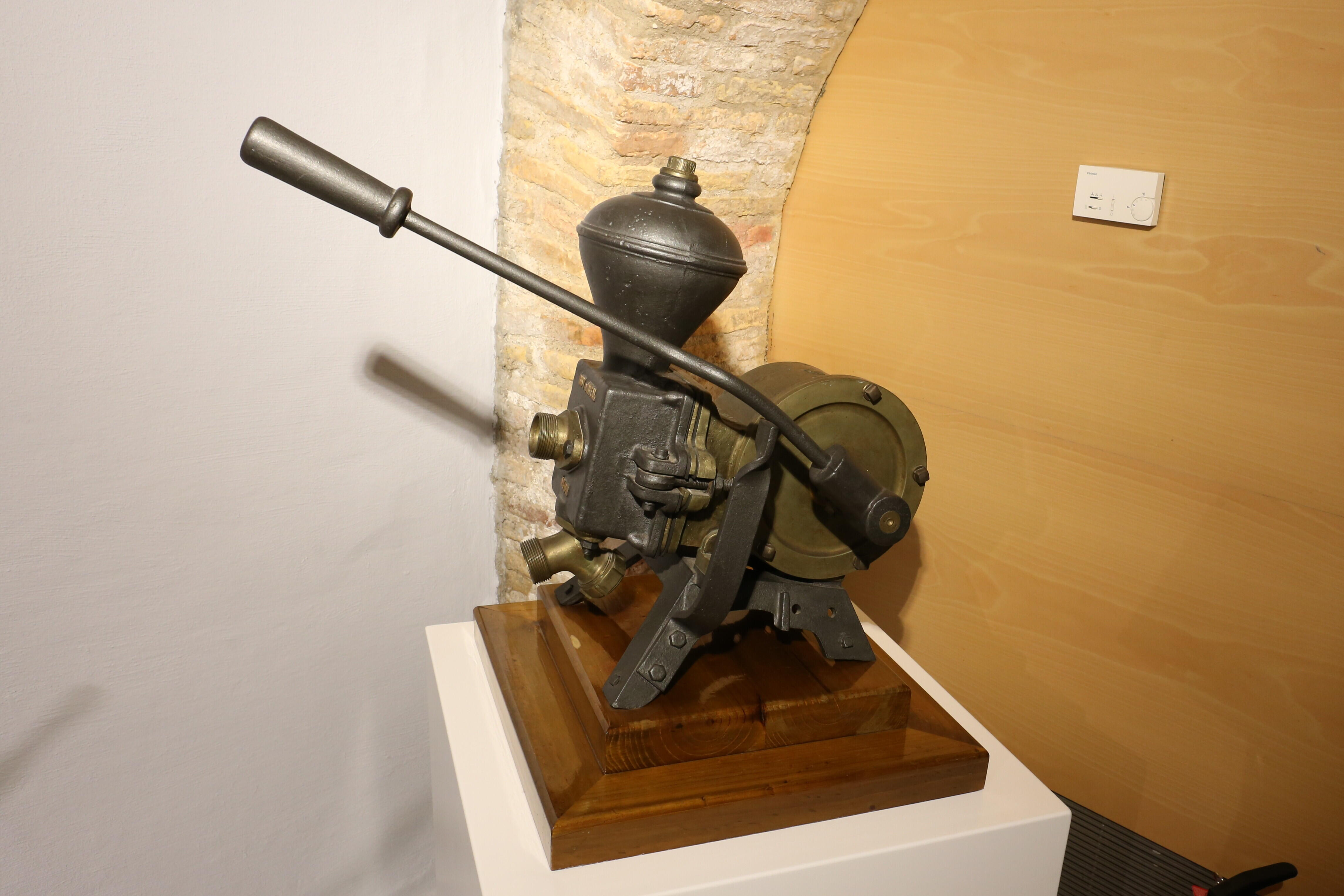
Compact pumps designed for individual households were also produced.
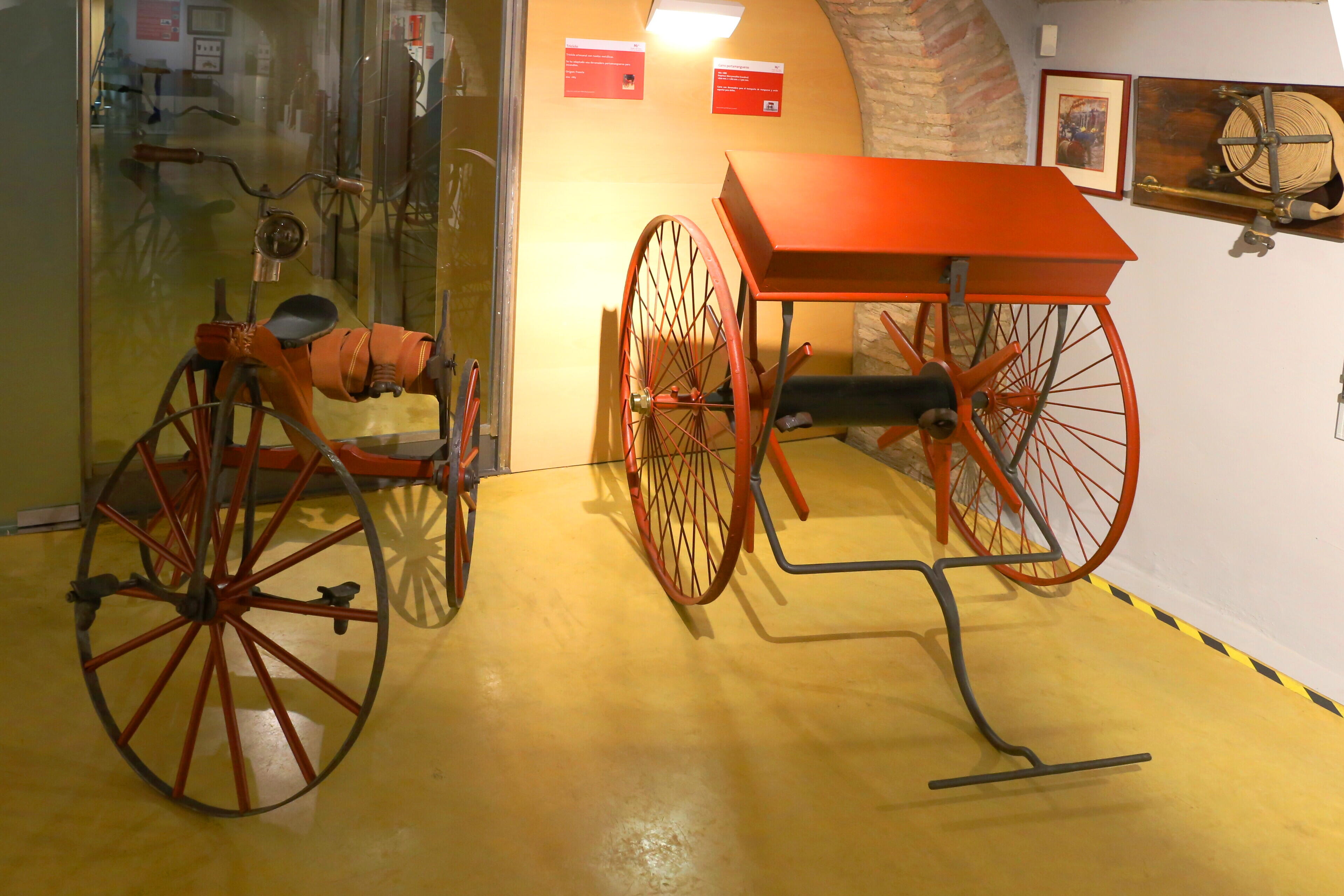
Equipment for small fire brigades in the second half of the 19th century included a fire bike with a reel for hoses and a hand-cranked reel with a box for hoses.
In the first half of the 20th century, manual firefighting equipment reached its peak of perfection. This fire pump, made in France in 1930, comes with a complete set of necessary equipment, including buckets, hoses, and carbon dioxide fire extinguishers.
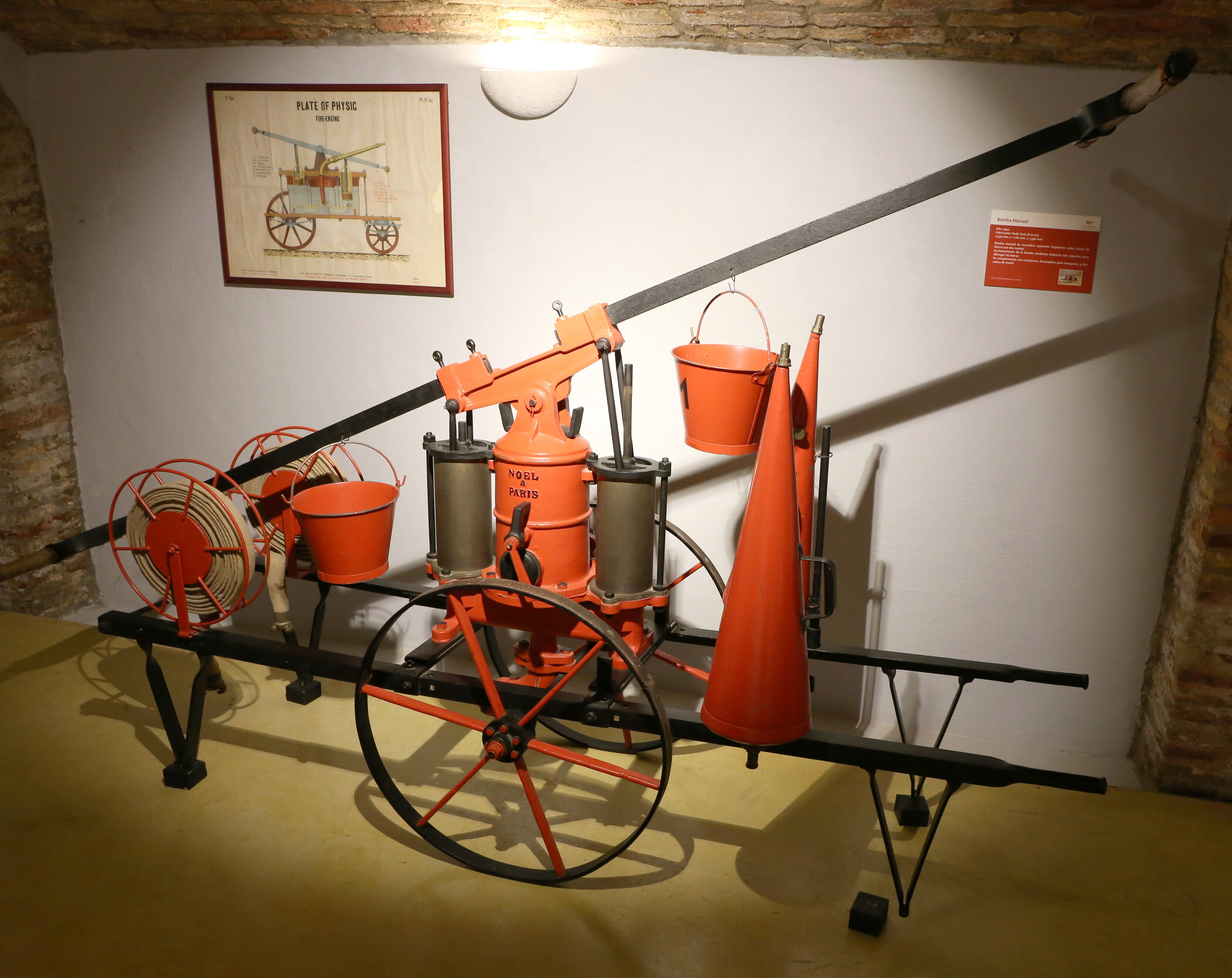
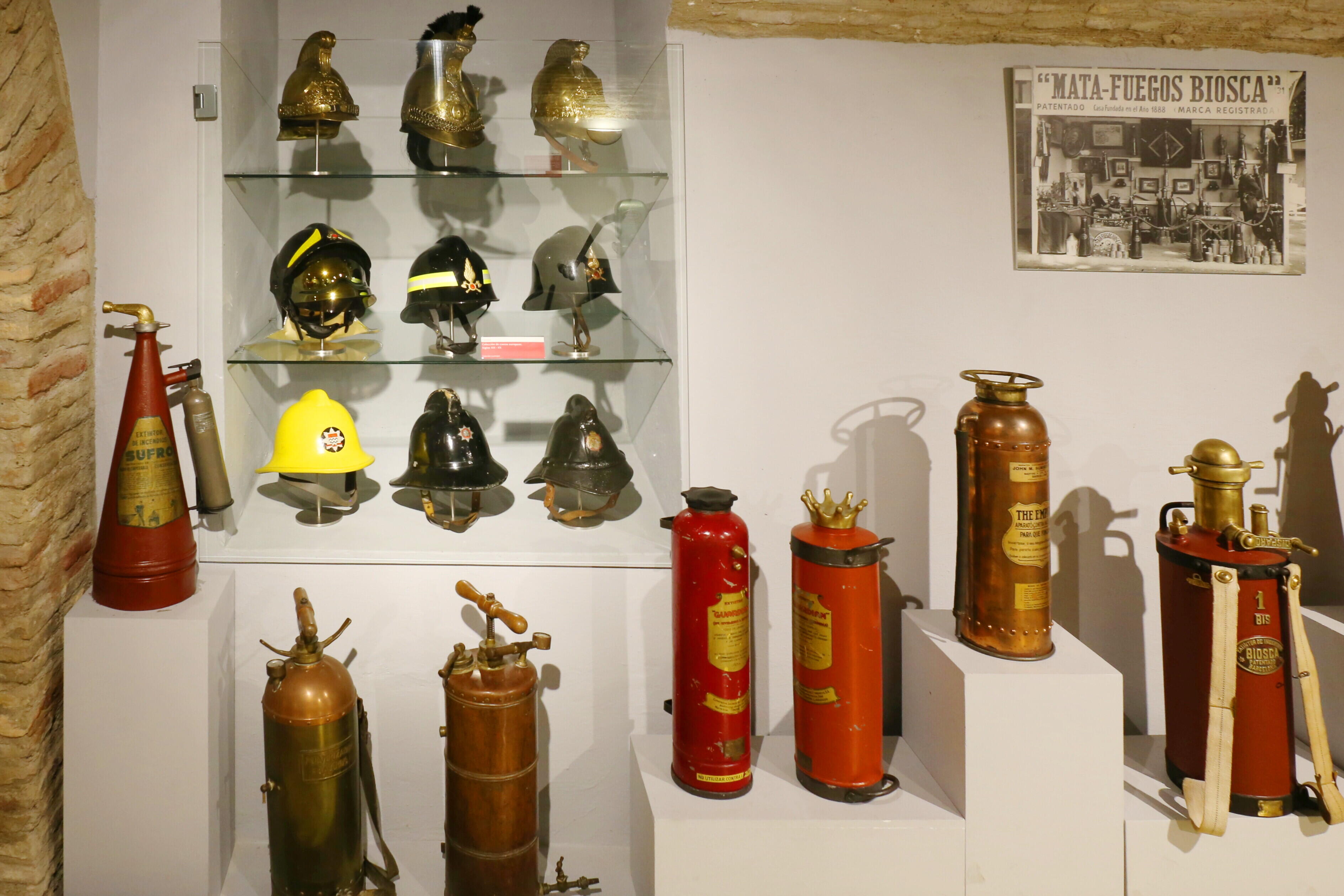
In the late 19th century, carbon dioxide fire extinguishers began to be mass-produced, and they became the primary means of firefighting. Today, they can be found in every building.
But even in our time of universal mechanization, buckets are still an effective means of primary fire extinguishing.