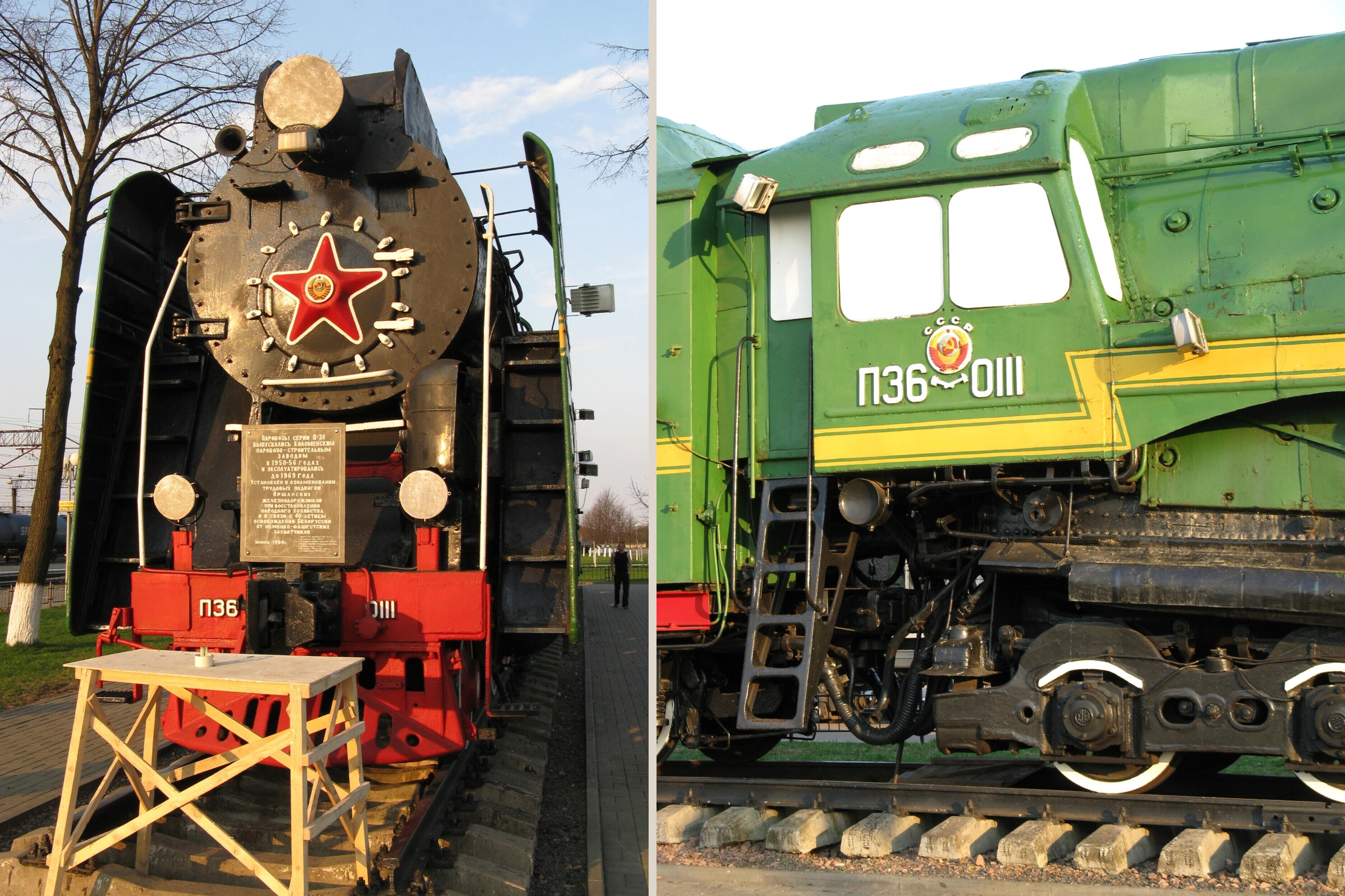
Soviet Steam Locomotive П-36, Orsha
Trains stand at the Orsha border station for quite a long time, during which time you can walk to the unique monument that stands in the square in front of the station building. The P36 steam locomotive is the final milestone of the steam era and an example of the technical excellence of Soviet steam locomotive construction. Its design began in 1946, when the Ministry of Railways issued a task to the Kolomna Plant to create a locomotive for driving fast long-distance passenger trains. The passenger traffic that increased dramatically after the war required the most efficient, reliable, and crew-friendly vehicle. The work was led by the outstanding Soviet designer Lev Sergeevich Lebedyansky.
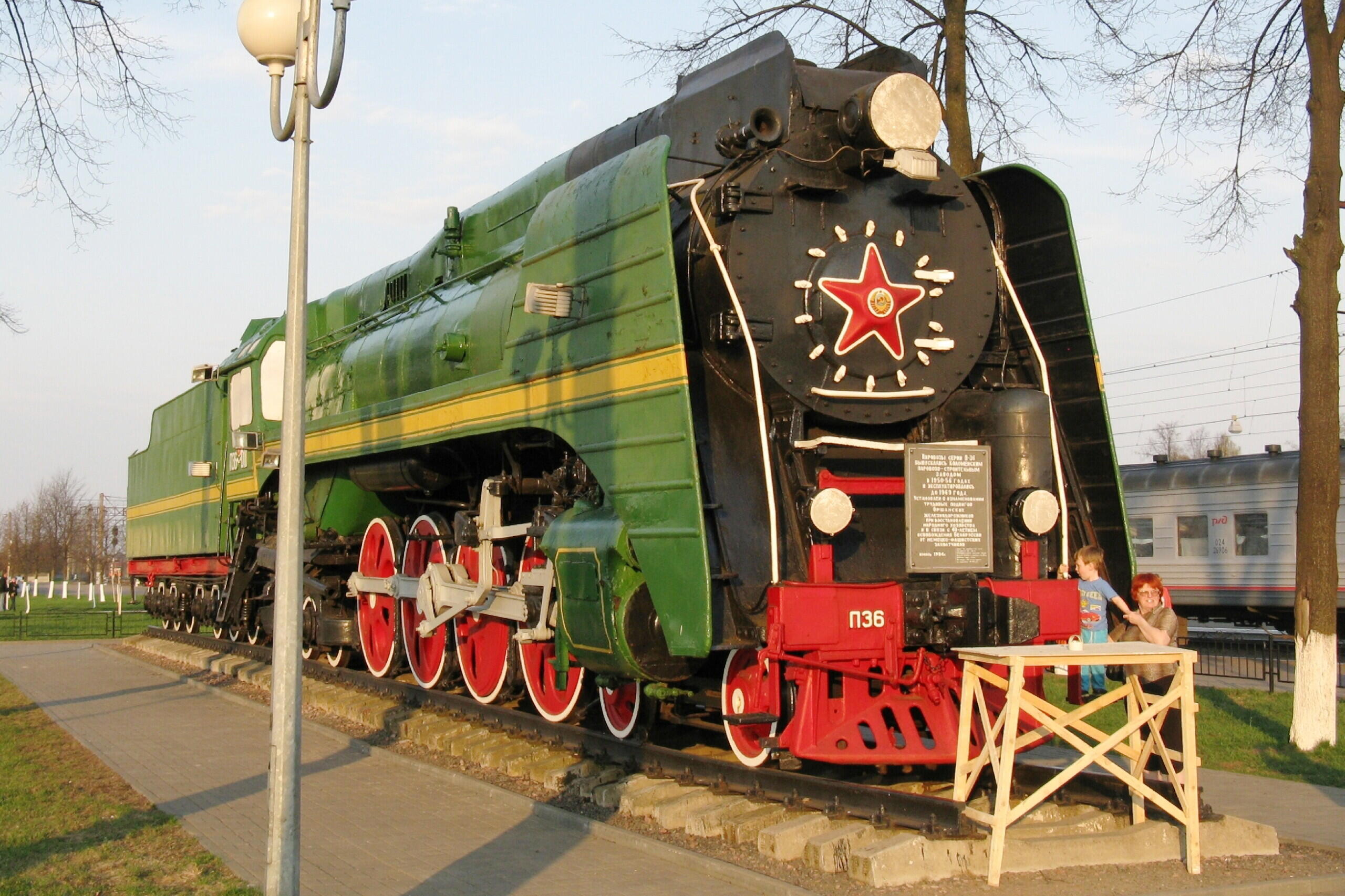
In March 1950, testing of the prototype began. The locomotive has shown outstanding results on the Moscow - Skuratovo line. The design speed reached 125 km/h, and the power exceeded its pre-war counterparts by 15-20%.
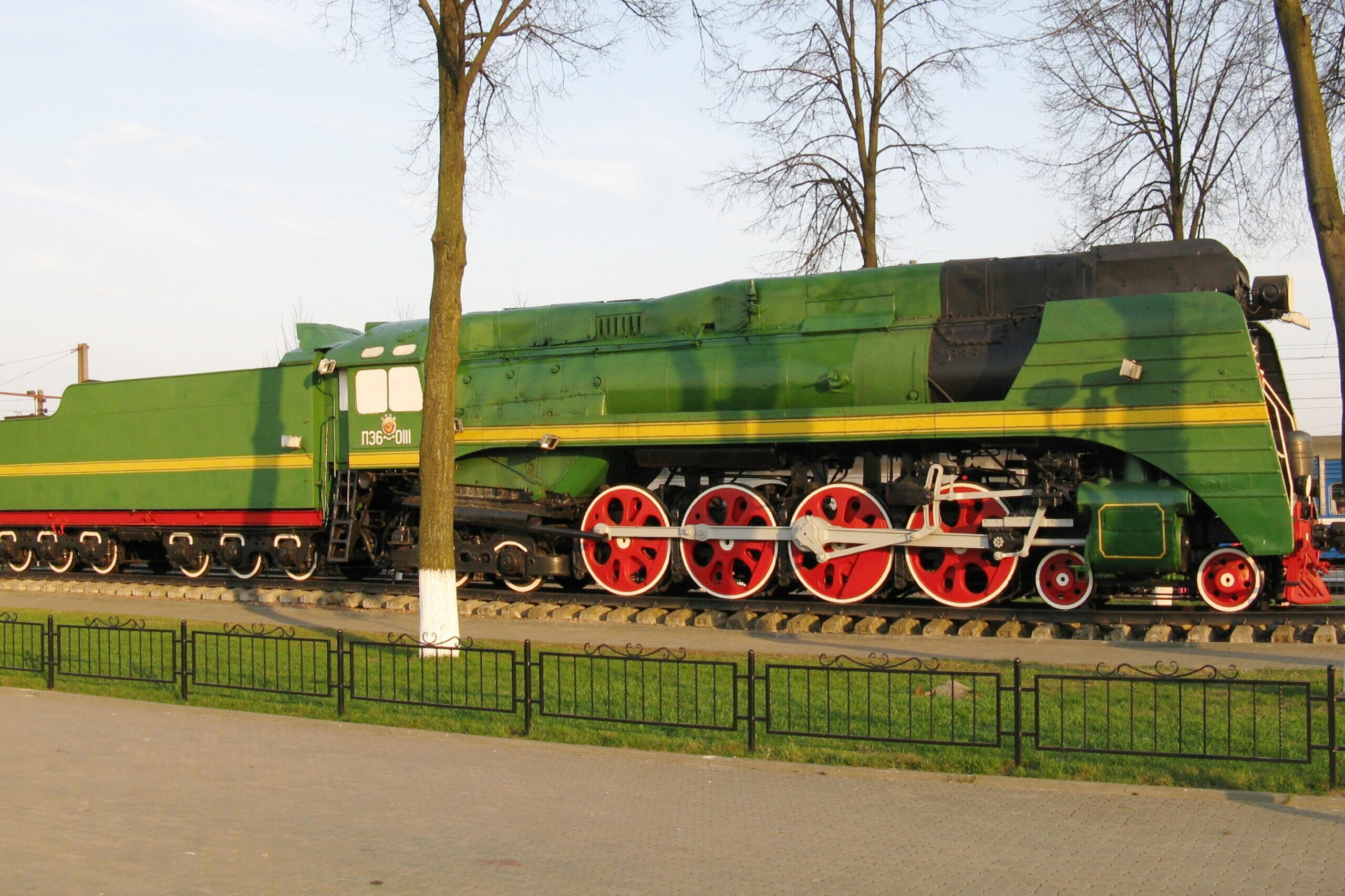
A number of advanced solutions for the 1950s were used in its design: For the first time in Soviet practice, roller bearings were installed on all axes of the locomotive and tender, as well as in the elements of the driving mechanism, which reduced internal friction of the locomotive and made it easier to start; The P36 boiler could burn up to 6 tons per hour of operation on high-speed stages. the stoker could not physically throw such a volume of coal with a shovel, so the designers installed a mechanical coal dispenser (stoker); An enlarged all-welded bar boiler and preheating of water due to spent steam provided a record efficiency of 9.22% for Soviet steam locomotives.
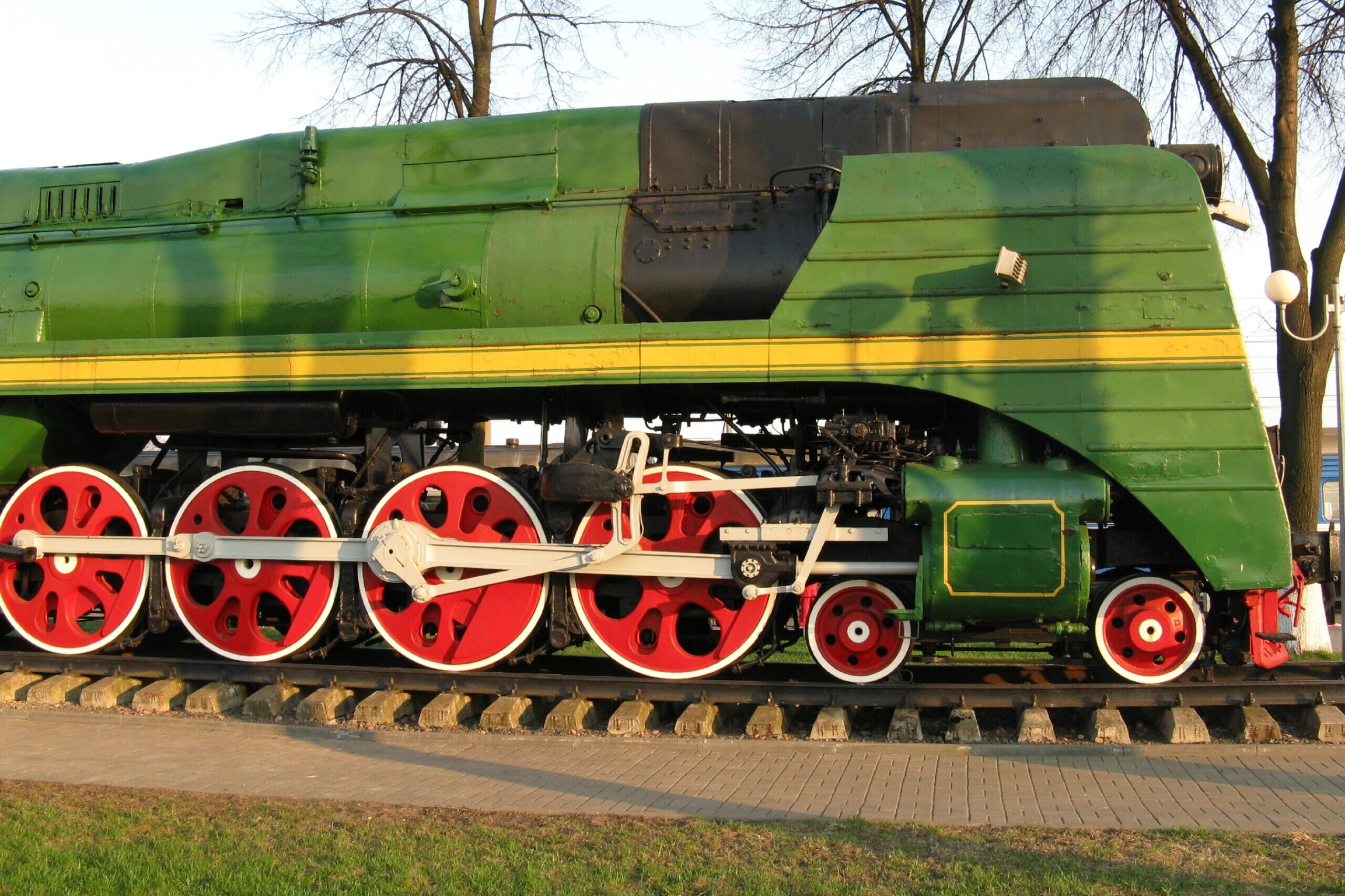
The designers paid special attention to the uniform distribution of weight, receiving 18 tons per axle, which opened up the possibility of operating the P36 on most Soviet railways without the risk of damaging the track. And of course, we did not forget about the design - the streamlined boiler casing and the sloping front wall of the cabin symbolized the high-speed qualities of the locomotive.
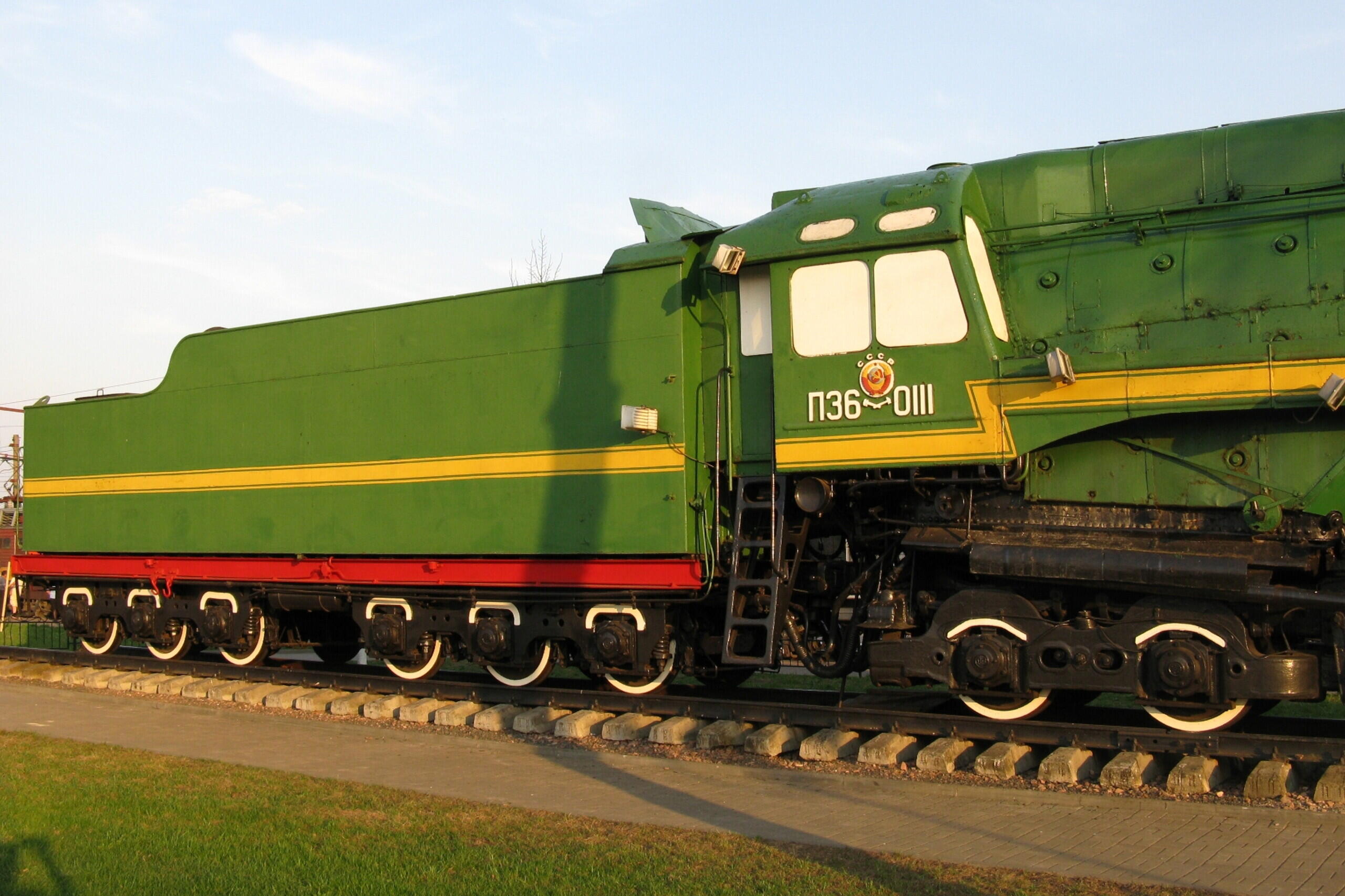
Serial production began in 1953, and exactly 251 locomotives of this series were produced. The last steam locomotive P36-0251 came off the stocks in June 1956, marking the official end of the era of steam engineering in Kolomna and the transition of the plant to the production of diesel locomotives. Although the locomotive received the index "P", which meant "Victory", the railroad workers gave it the nickname "General" because of the characteristic stripes on the sides, reminiscent of the general's stripes.
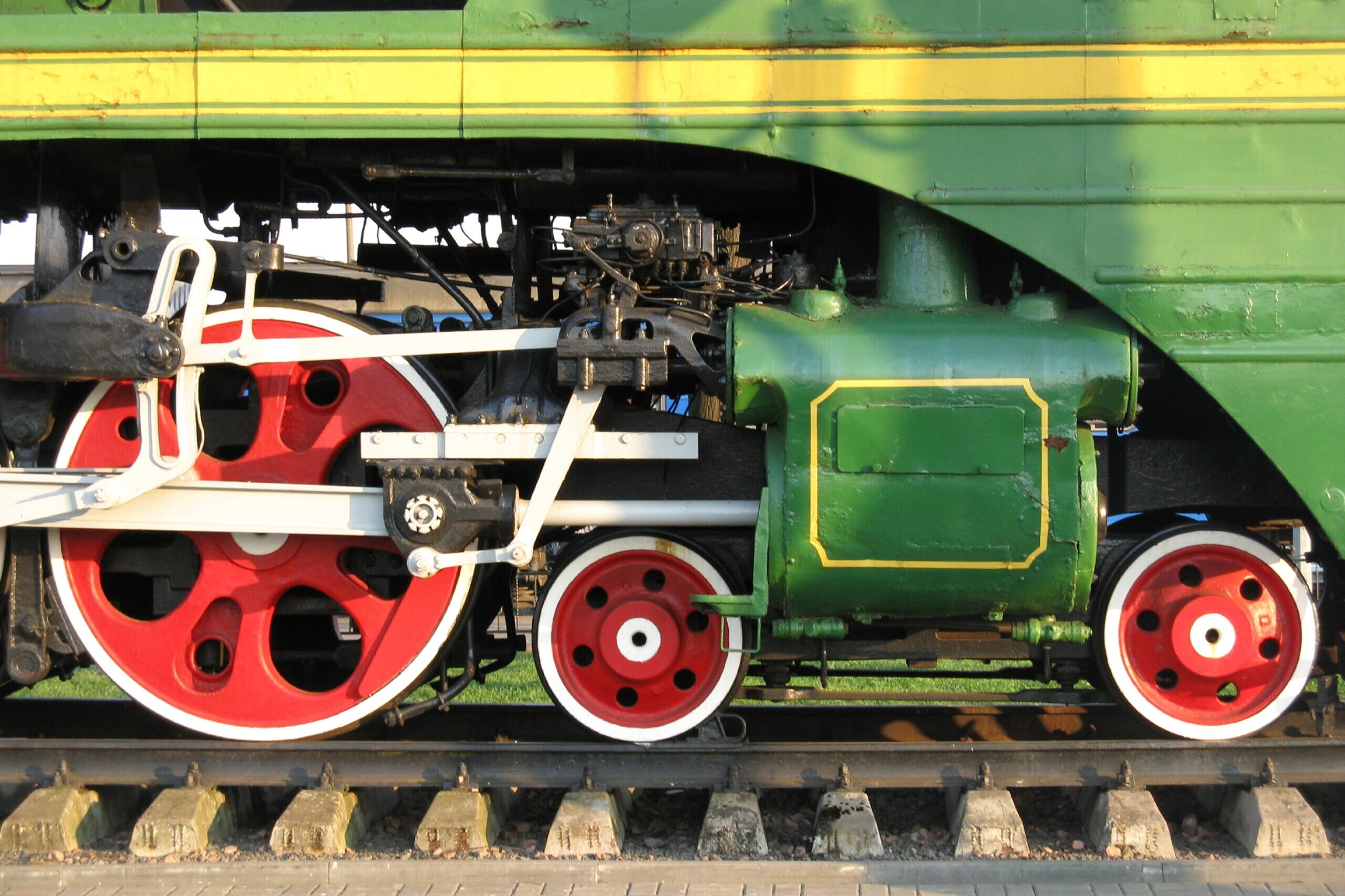
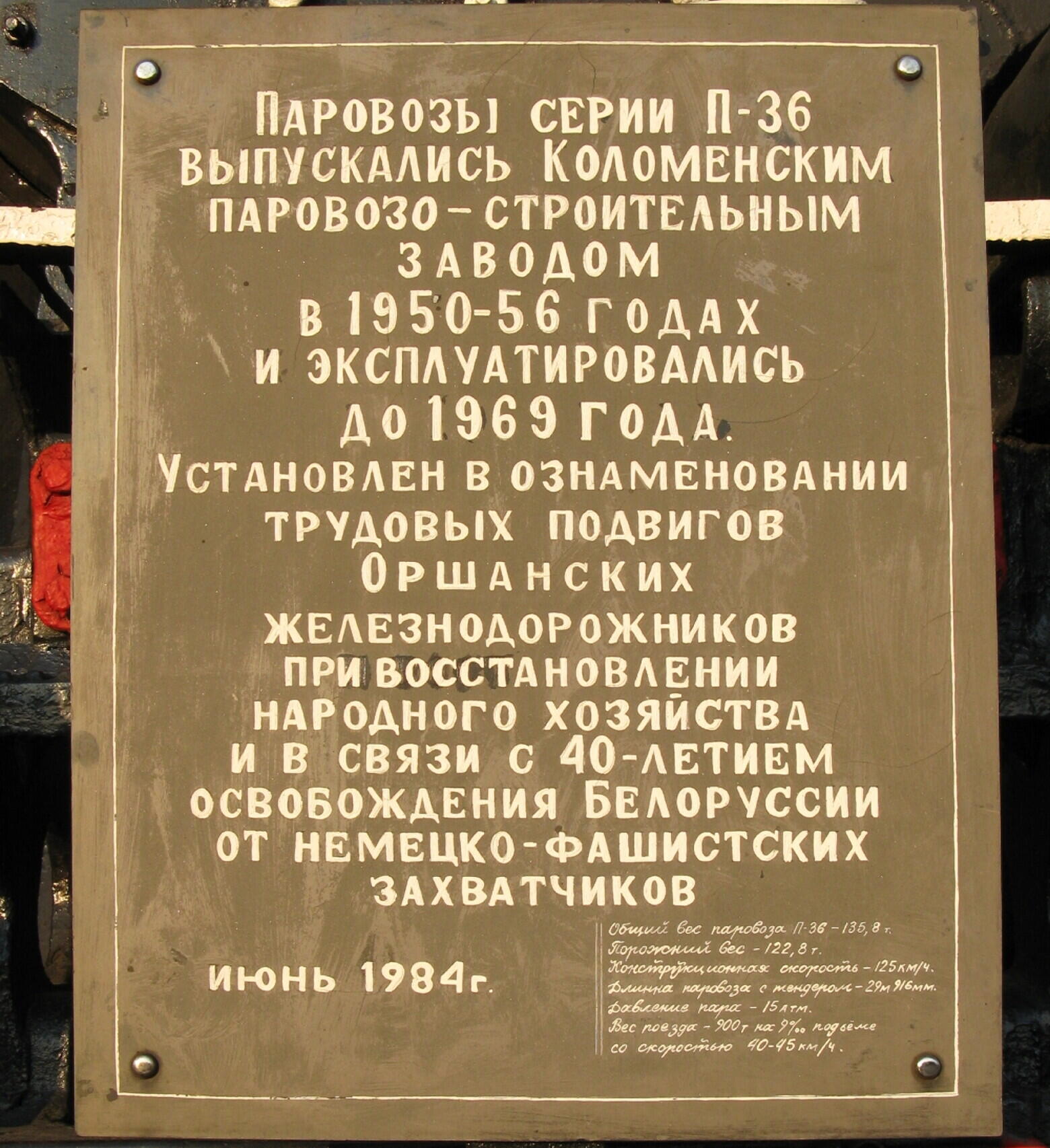
The locomotive with the number 0111 was built in September 1955 at the Kolomna plant and began work at the Melitopol depot in southern Ukraine. However, he did not stay there for long - the railways of Ukraine were actively electrified and three years later the locomotive was sent to the backwoods, to the East Siberian Railway, to the depot of Nizhneudinsk. In 1961, the locomotive returned to Ukraine, to the Lviv-Vostochny depot, where it operated until 1965. The final and longest stage of its operation took place in Belarus, at the Gomel depot, where it entered in May 1965 and worked for almost 10 years, until the era of steam finally gave way to diesel locomotives and electric locomotives. In June 1974, the locomotive was decommissioned and sent to the strategic reserve base in Slavnoye, where it was preserved for 10 years, and finally, in June 1984, on the eve of the 40th anniversary of the liberation of Belarus from the Nazi invaders, it took pride of place in Orsha.
In conclusion, I would like to tell you about the tragic fate of a talented engineer, the creator of the P36 and other successful steam locomotives. In 1956, Soviet leader Nikita Khrushchev announced the immediate abandonment of steam propulsion, effectively destroying the entire industry. Lebedyansky, who himself worked on promising locomotives, understood like no one else that new diesel and electric locomotives still suffer from a lot of shortcomings and their refinement would take years. He publicly opposed the "general line", which got him into His project to create an innovative gas turbine locomotive was completely shut down. This blow severely undermined the designer's health, he was forced to resign, then he had a stroke and was paralyzed until his death in 1968. This is the fate of many talented people in Russia who have dared to argue with rulers who have historically treated people as expendable.