Motorcycles of the Czech Police
The Museum of the Prague Police (Muzeum Policie CR) has a collection of motorcycles from different years used by the traffic police. The Czech Republic has historically been a technically advanced country, and before World War II, it had more than two dozen motorcycle manufacturers. Under the Communists, their number was reduced to two, but by socialist standards their quality was very high, so the Jawa and CZ models were very popular in the countries of the socialist camp and beyond, and the latter brand was well known worldwide for its excellent results in motocross competitions.
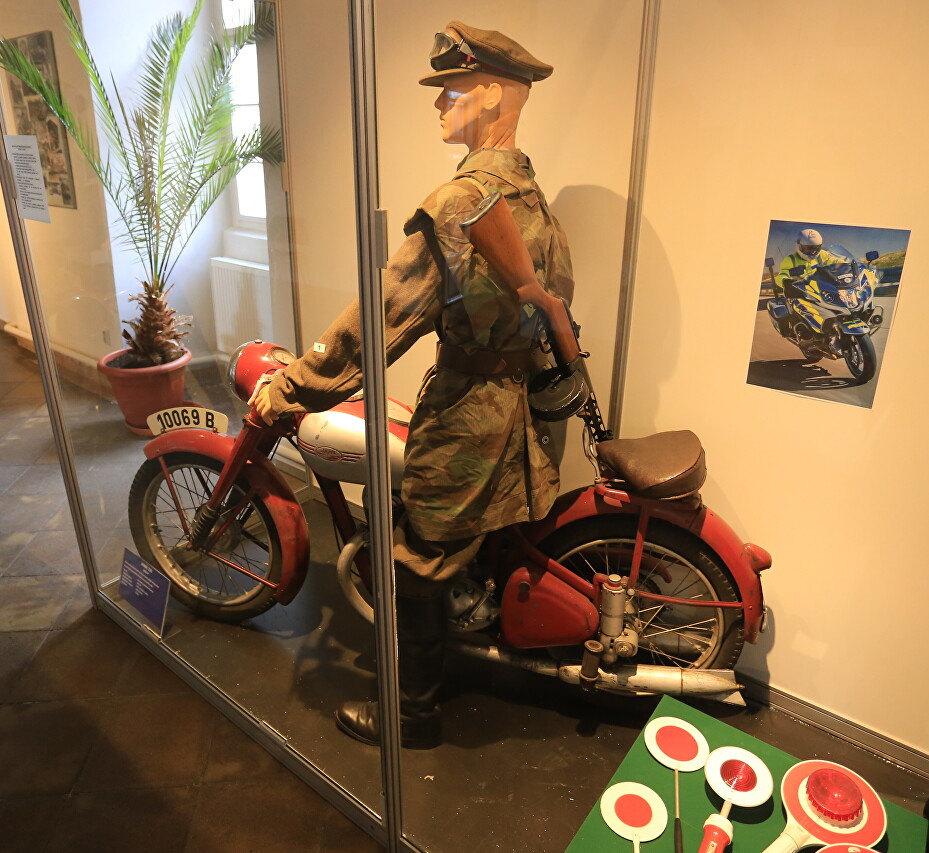
The first post-war motorcycle of the Czech police was the JAWA 250 Pérak, secretly developed by Czech engineers during the Nazi occupation. The word Pérák translates from Czech as "Man on springs" - that was the name of the hero of Prague urban folklore. According to legend, he was an elusive Czech partisan who jumped over roofs and fences thanks to springs embedded in shoes. He would suddenly appear out of the darkness, commit acts of sabotage against the Nazis, and disappear without a trace. I must say that this legend has earlier roots and comes from rumors about a gang of "jumpers" who allegedly operated in Moscow during the Russian Civil War. Most likely, this legend was brought by Czech soldiers of the Austro-Hungarian army who were captured by the Russians during the First World War. After the occupation of Czechoslovakia in 1939, the Nazis ordered the JAWA factory to repair German military motorcycles and produce parts for Luftwaffe aircraft. Despite this, a group of engineers led by Yaroslav Frey decided in 1942 to develop a motorcycle. The drawings were made in apartments, and the parts and assembly were done in private garages and workshops. The most difficult parts were ventured to be manufactured directly at the factory. Prototype tests will look even more fantastic: underground fighters painted them in Wehrmacht camouflage, attached fake license plates and drove them along the roads in the form of German soldiers. Thus, during the war, the testers traveled more than a hundred thousand kilometers, bringing the secret development to the ideal.After the war, the motorcycle was immediately put into production and made a splash at the Paris Motor Show in 1946. Czech designers became the trendsetters of the "teardrop" design, which was quickly adopted by other manufacturers around the world. Other innovations included a telescopic front fork and a spring-loaded rear suspension, and for the first time the engine was combined with the gearbox in a single crankcase..
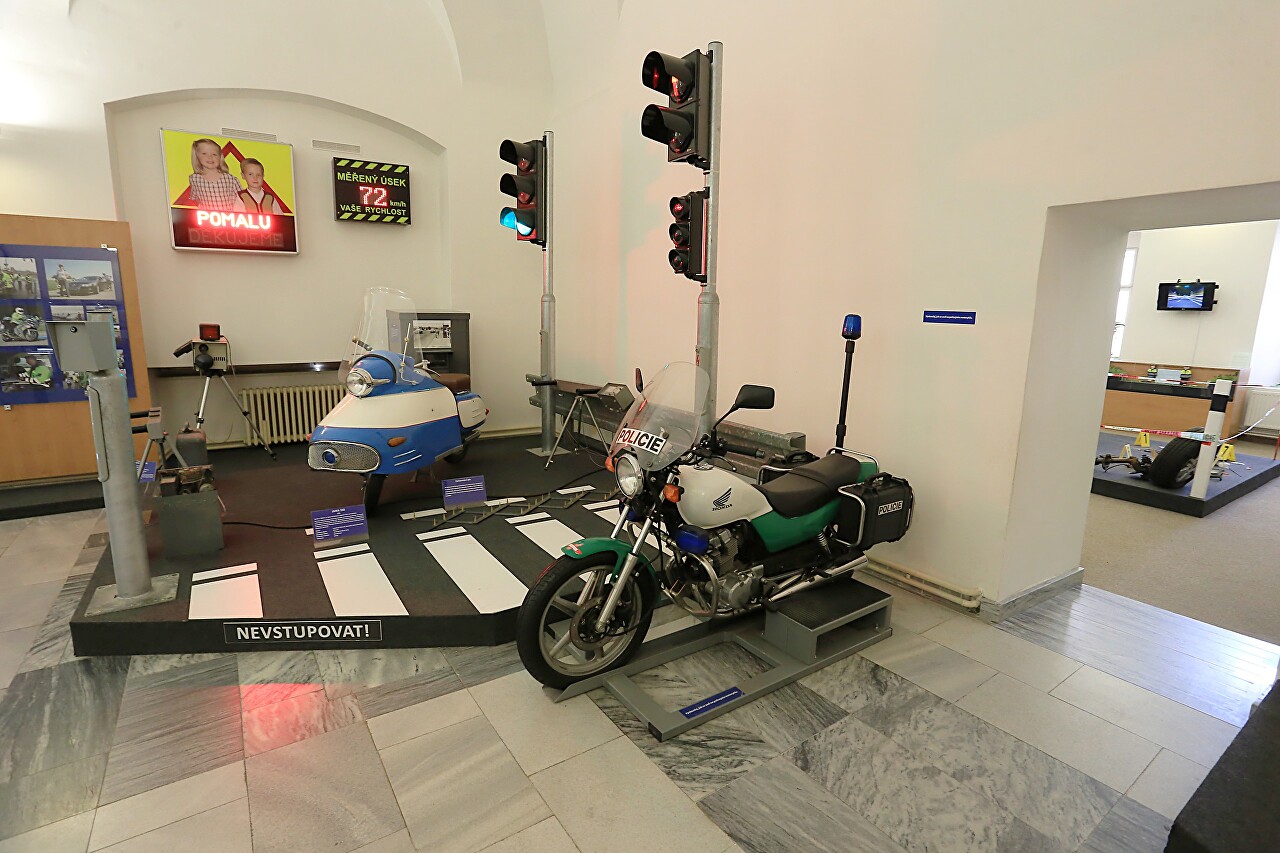
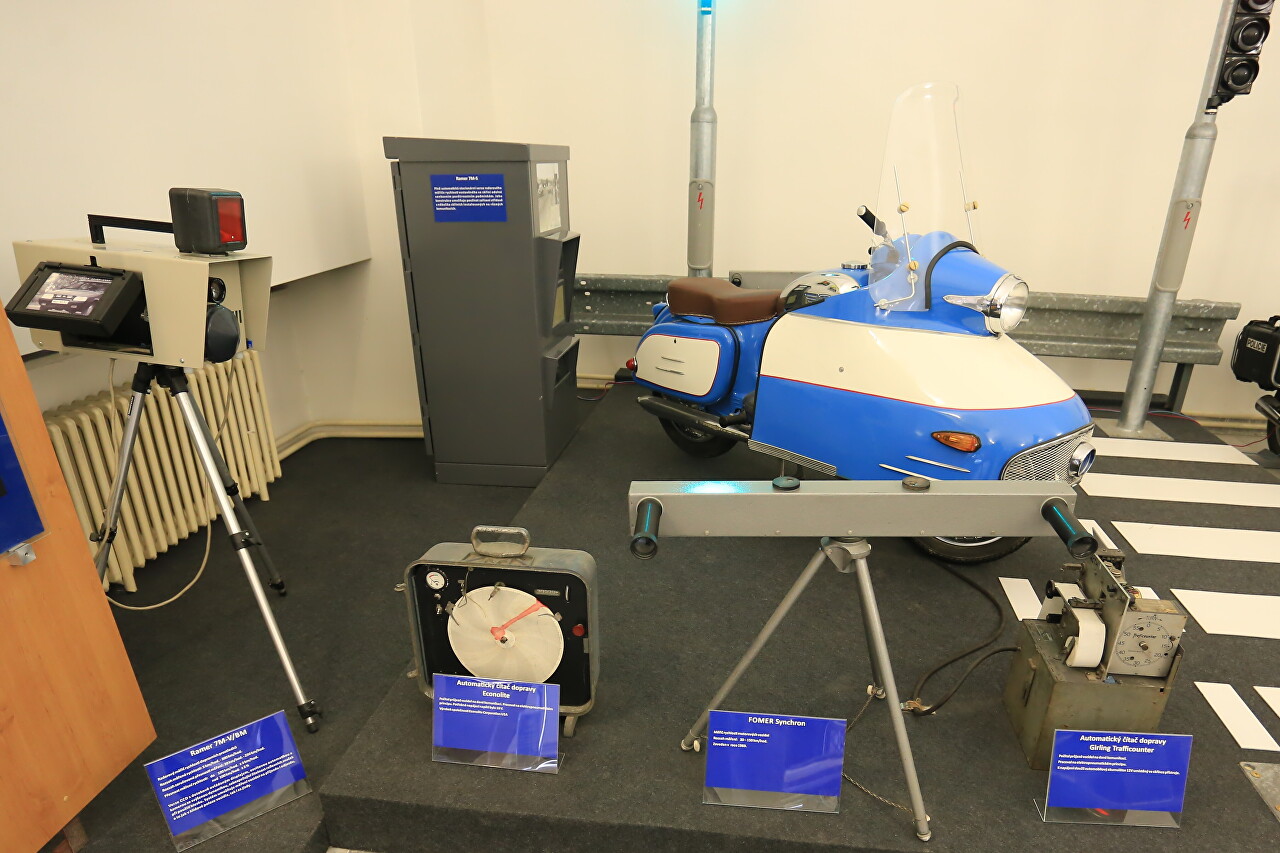
The legendary JAWA 350 Nanuk (Typ 354-06) is the most curious Czech police motorcycle, originally intended for escorting senior government figures. It was a regular Jawa 350 type 354, only with a slightly more powerful engine and massive fairings. The fairings were made of fiberglass, so their weight was very small, but it greatly worsened the cooling of the engine, which caused it to overheat in the summer, smoke heavily and often fail. And the huge sail made steering a very difficult task, so the Nanuk was not produced for long, from 1959 to 1964. There is a legend that Soviet leader Nikita Khrushchev, who visited Prague in 1964, complained that the exhaust from escort motorcycles got into the cabin, and this became the basis for the model's withdrawal from production. The motorcycle had a two-cylinder two-stroke engine with a volume of 344 cm3 and a power of 18 hp, reached a maximum speed of 130 km/ h and consumed 4.3 liters of gasoline per 100 km..
Motorcycles JAWA 350 Typ 634 in bright yellow-orange color with white elements and the inscription "VB" (Veřejná bezpečnost) were actively used by the Public Security Service of the Czechoslovak Republic in the 70s-80s.
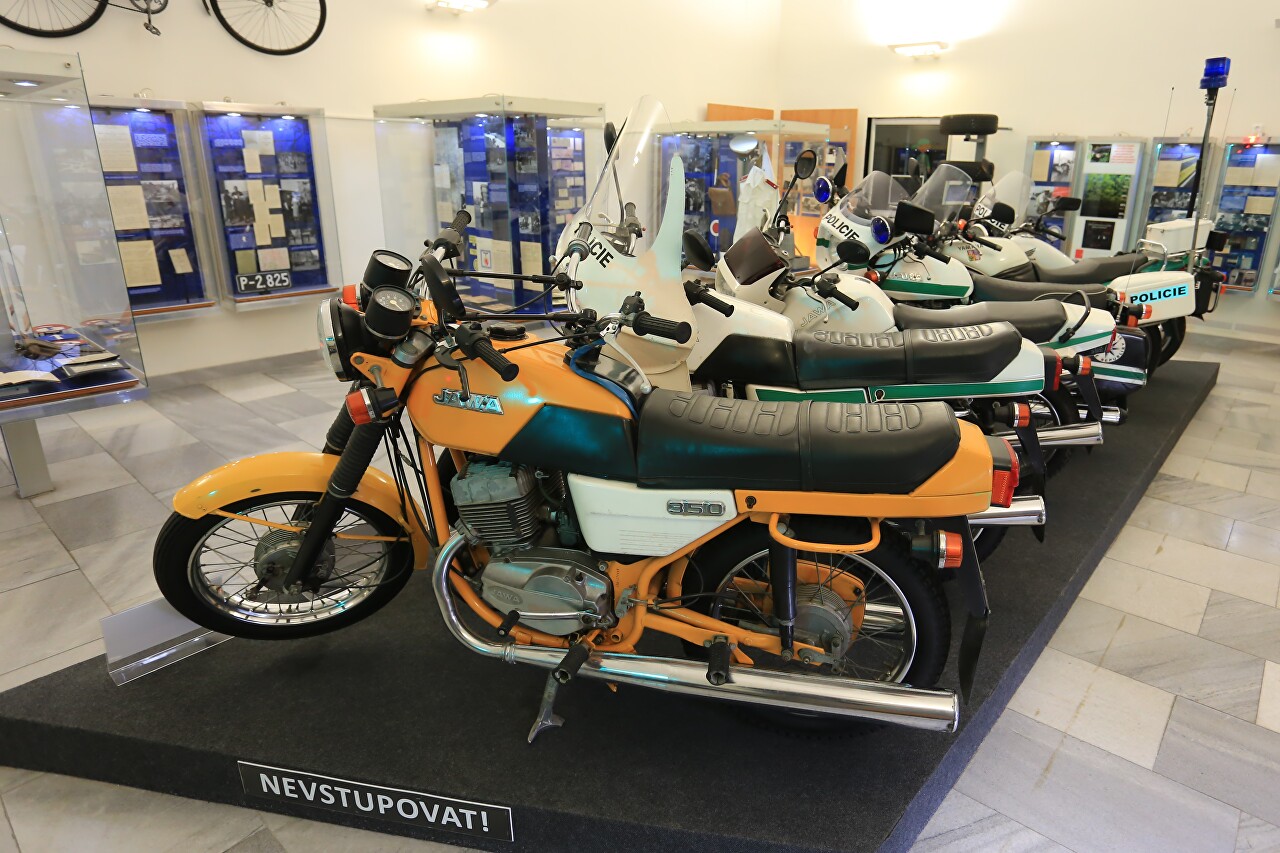
With the fall of the communist regime and liberalization, powerful high-speed cars and motorcycles appeared on Czech roads, which Czech classic models could no longer keep up with, since during the years of the "planned economy" and lack of competition, the Czech Republic lagged far behind the West technically. Nevertheless, the JAWA 350 Typ 640 Police was produced in the 90s based on the standard civilian model Jawa 350 typ 640 Style/Tramps and was the most advanced police motorcycle until the beginning of the new century. The motorcycle is equipped with a high-glass fairing and massive side luggage racks. Since a conventional civilian engine of 23 hp was used, the motorcycle lost some momentum due to the increased weight..
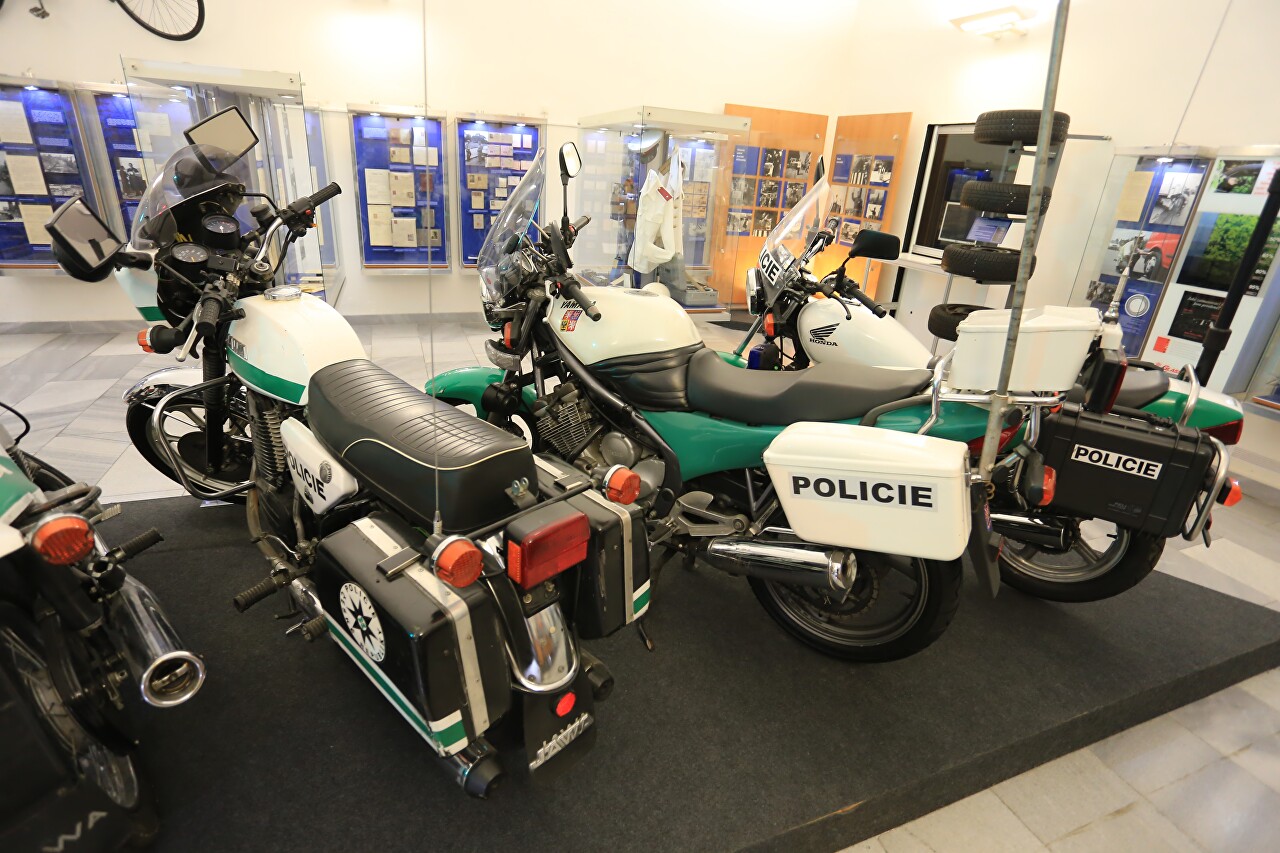
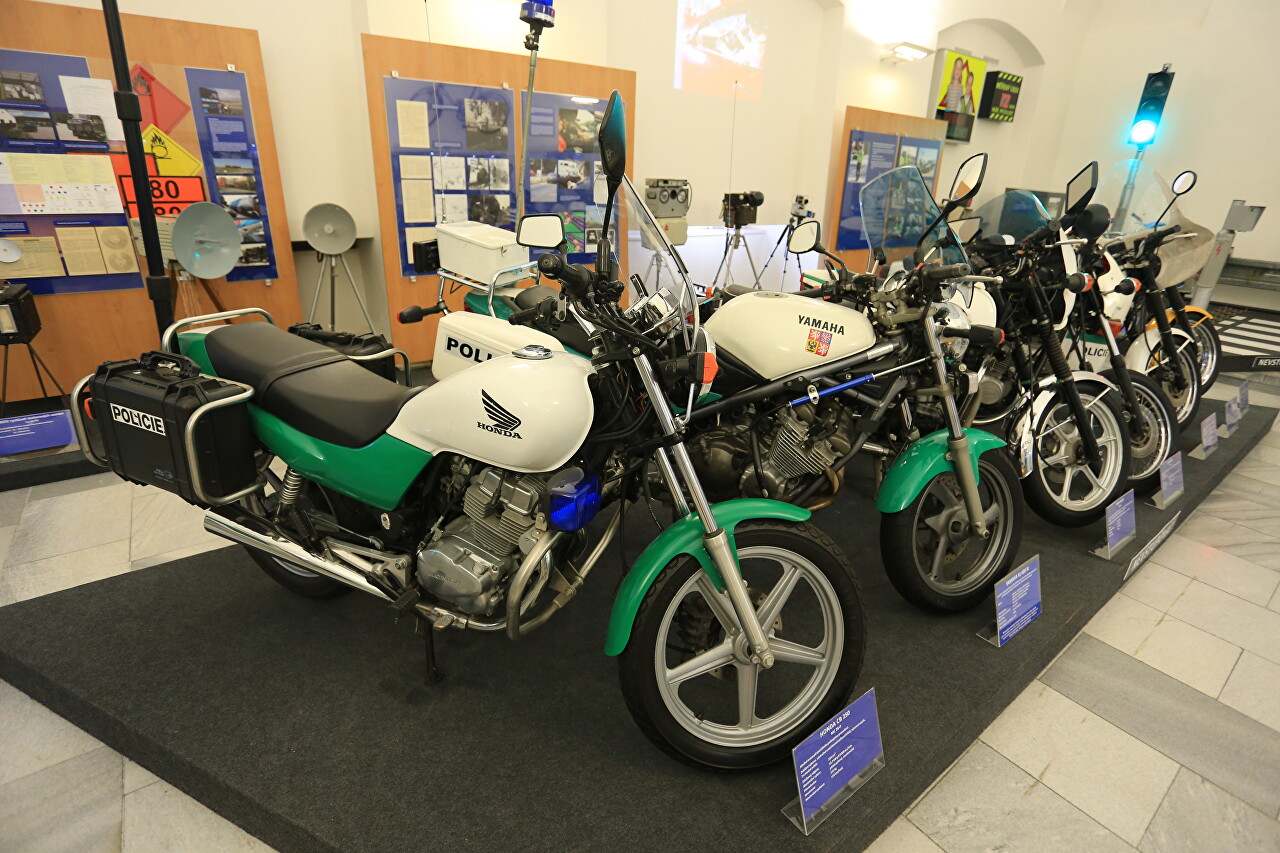
In the new millennium, the Czech police has completely renovated its motorcycle fleet, giving preference to iconic Japanese brands. The Honda CB 250 Two Fifty entered the service of the Czech police in September 2000, when the Czech Ministry of the Interior purchased a batch of 85 such motorcycles for operation in large cities, mainly in Prague. The motorcycle has a narrow profile and weighs only 135 kg, which makes it easy for patrol officers to drive between cars in dense Prague traffic jams and patrol the narrow tourist streets of the historical center. Powerful Yamaha XJ 600S Diversion with 61 hp engines. They had speeds of over 180 km/h and accelerated to 100 km/h in 4.8 seconds, they are used to patrol the highway and chase violators.