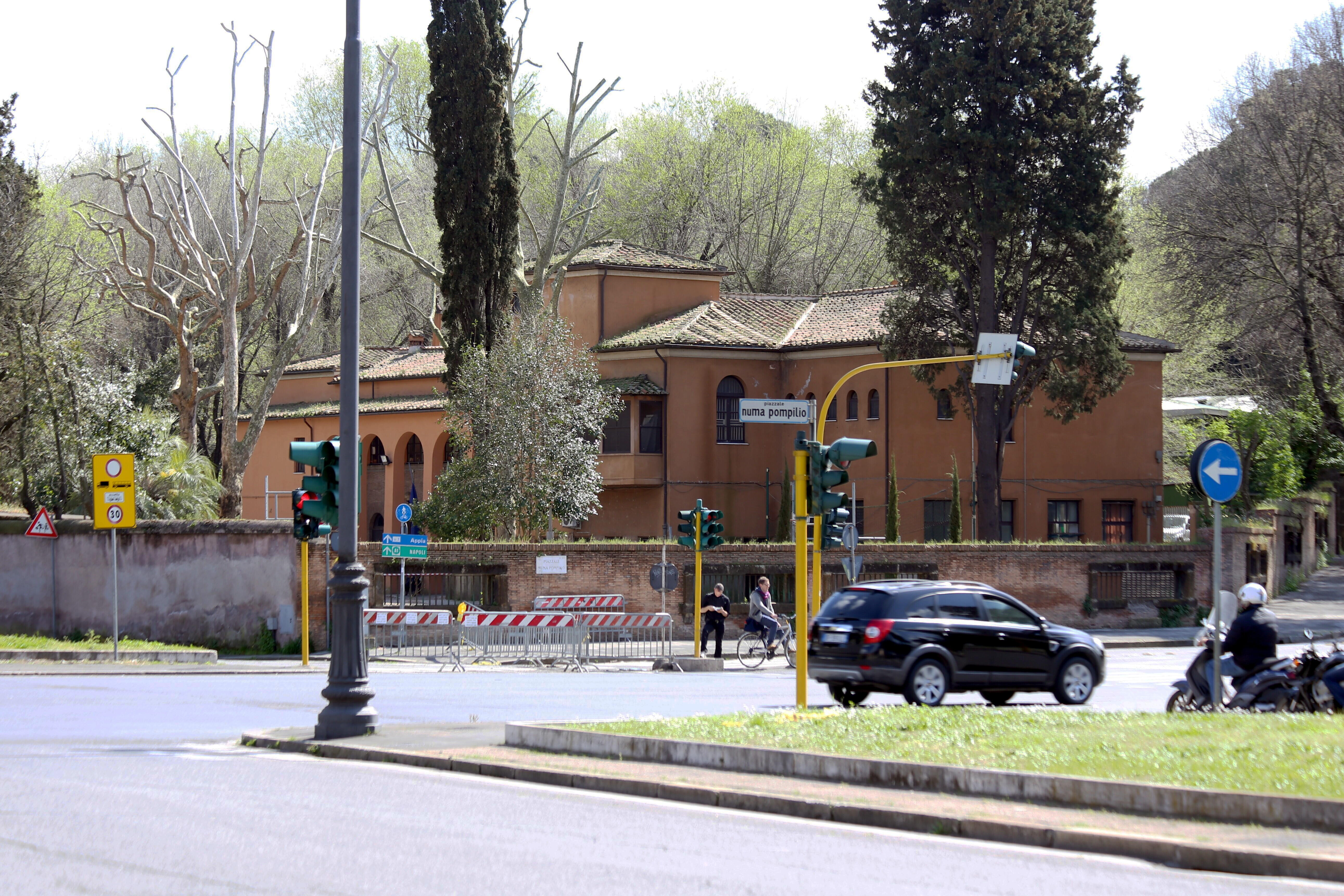
Piazzale Numa Pompilio
At the end of Viale delle Terme di Caracalla, there is a square named after the legendary second king of Ancient Rome, who ruled in the 8th–7th centuries BC. This is one of the oldest road junctions in Rome - two of the empire’s most important roads, the Via Appia and the Via Latina, diverged here.
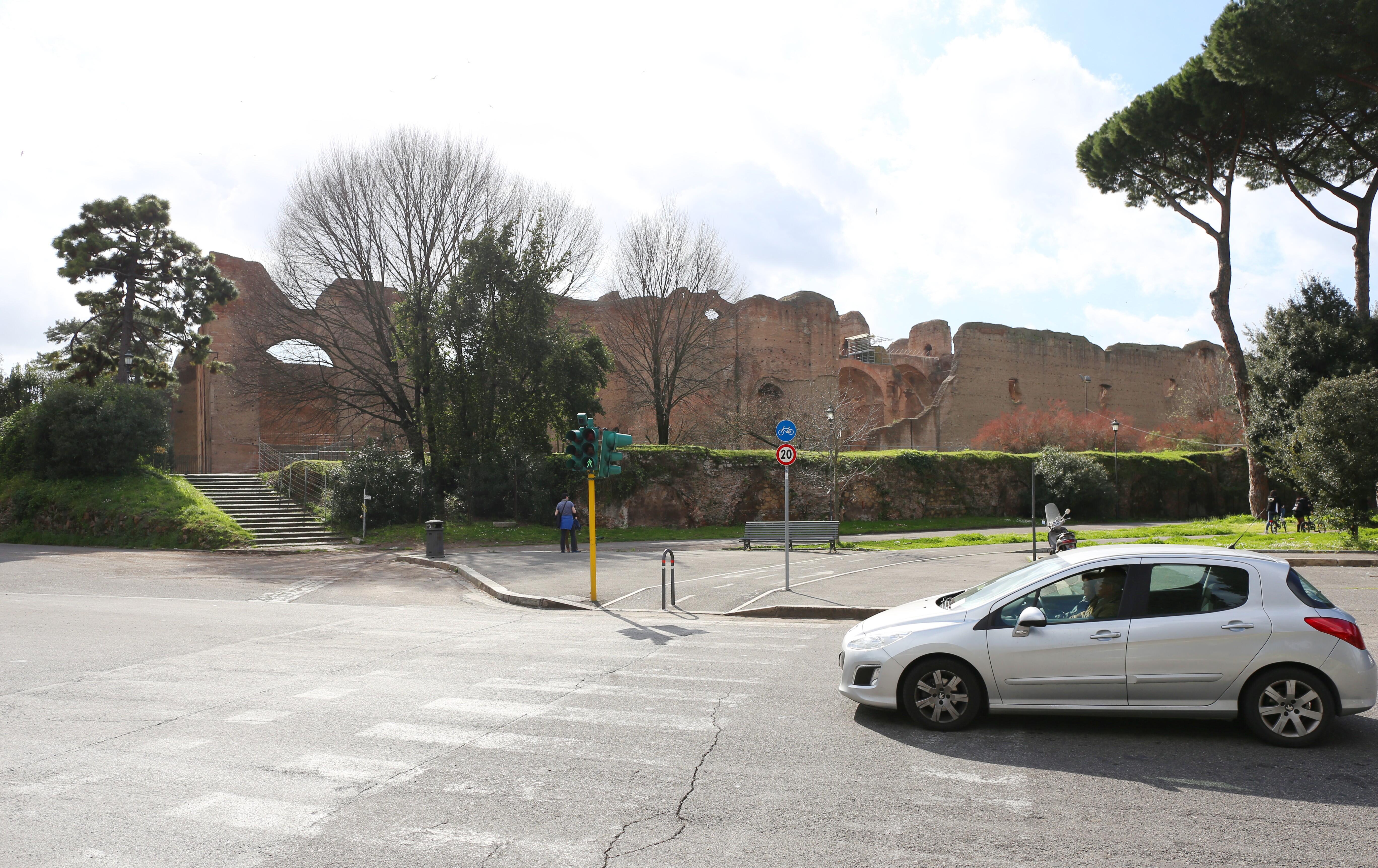
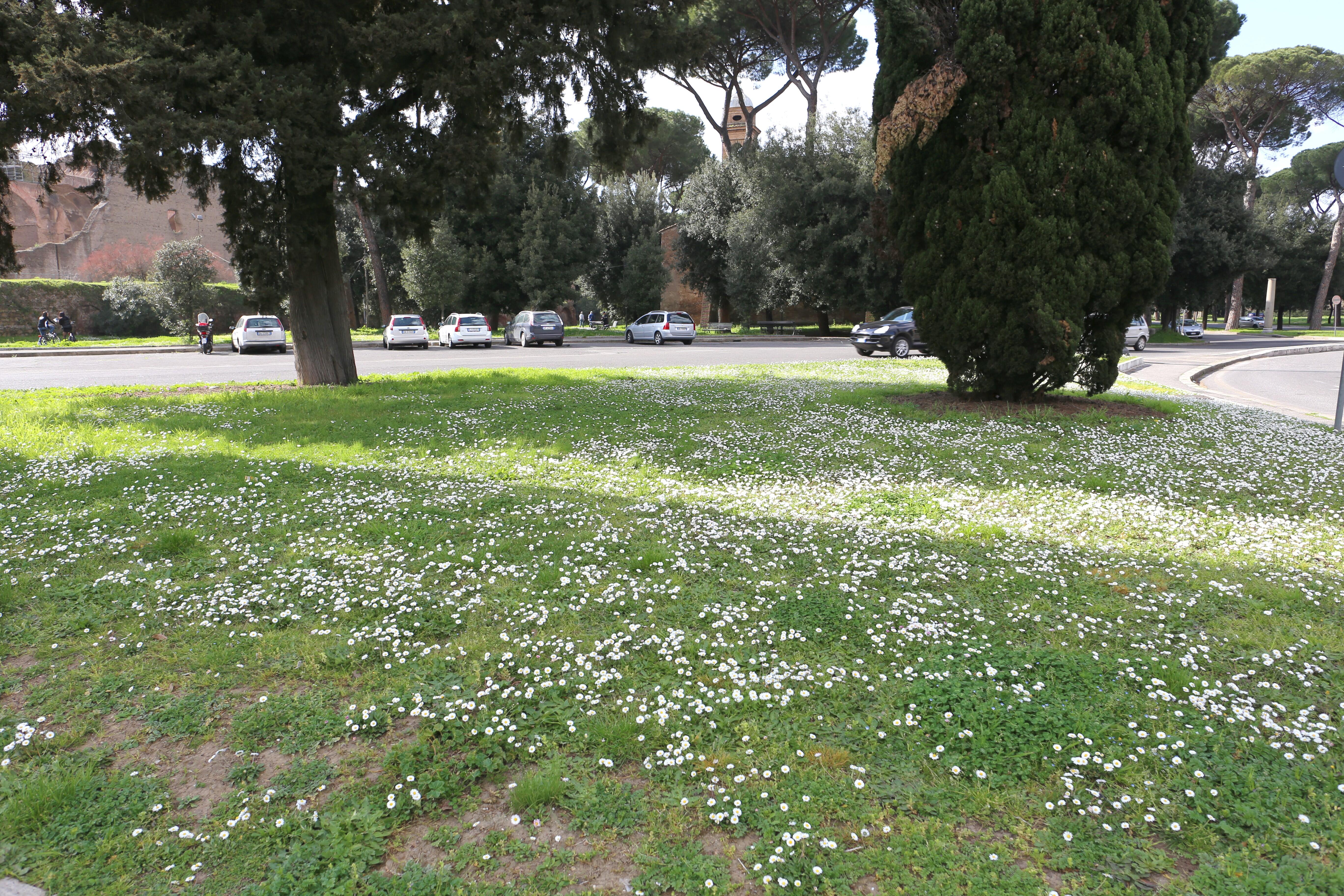
In its current form, Piazza Numa Pompilio took shape during large‑scale urban renovations in the first half of the 20th century, when the area around the Baths of Caracalla was being developed.
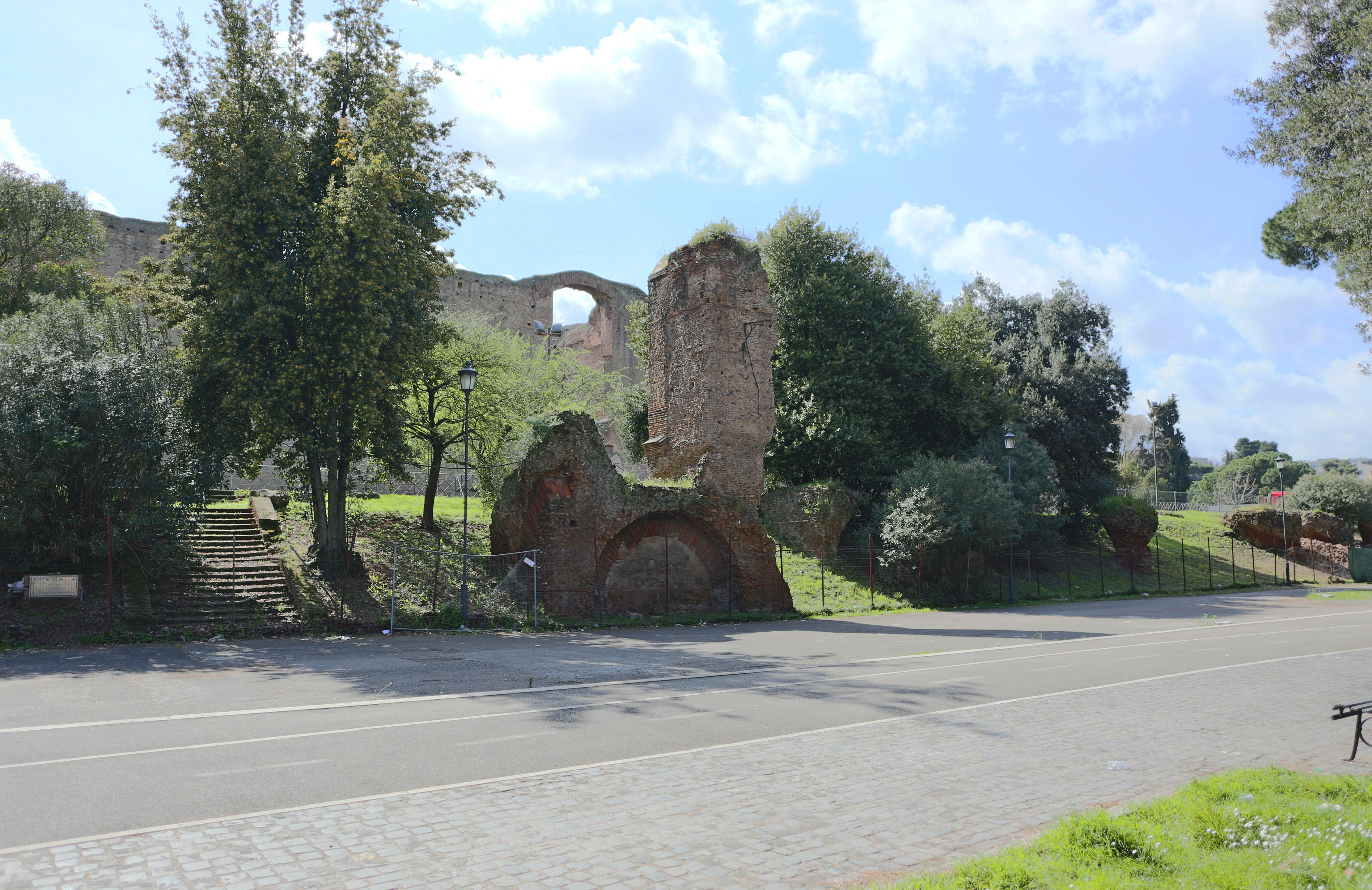
The eastern corner of the baths faces the square; this is where the gymnasium and reading rooms were located.
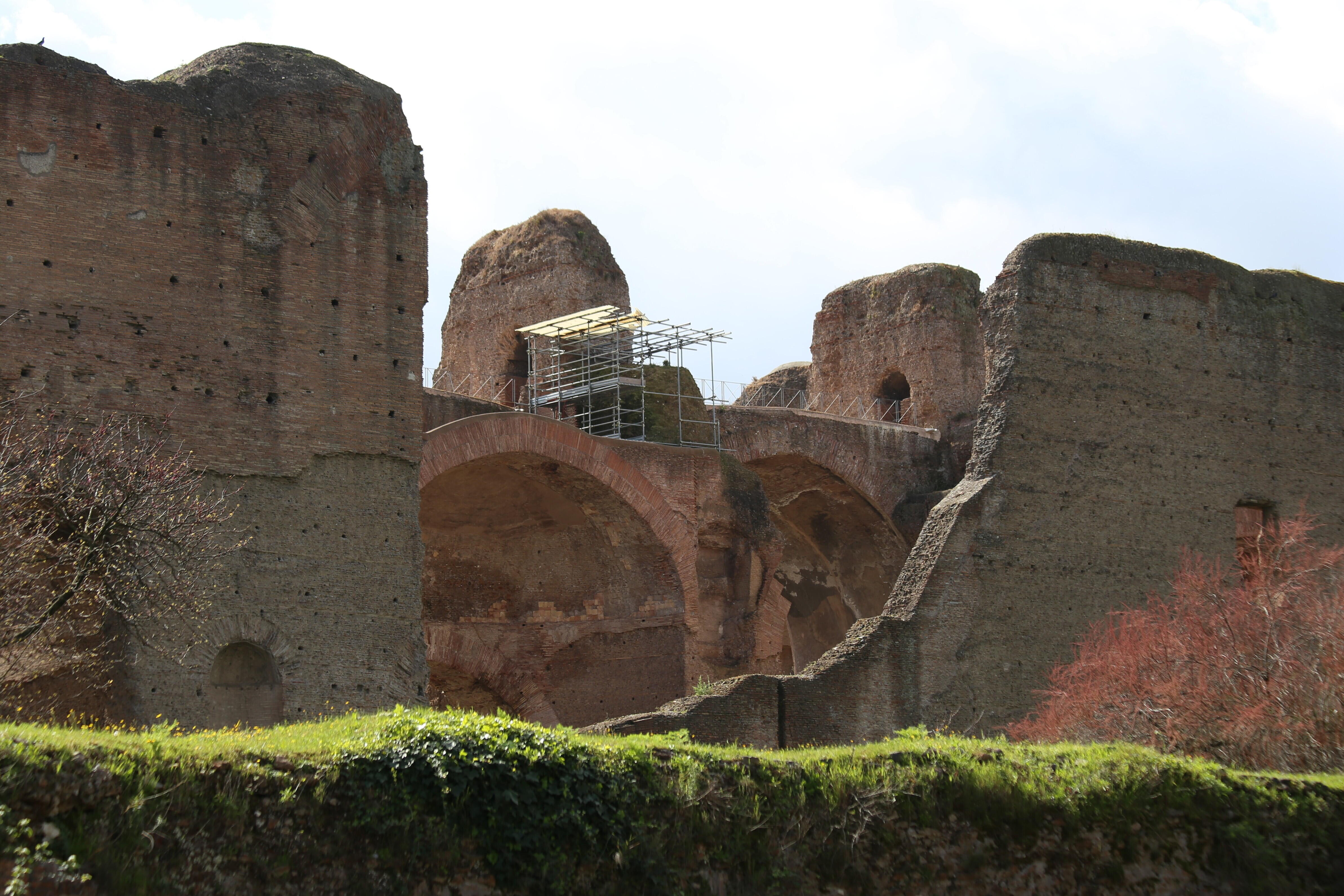
The huge complex was surrounded by a massive wall with semicircular arched galleries on the outside, which housed merchants’ shops. Now only very small sections of this wall remain.
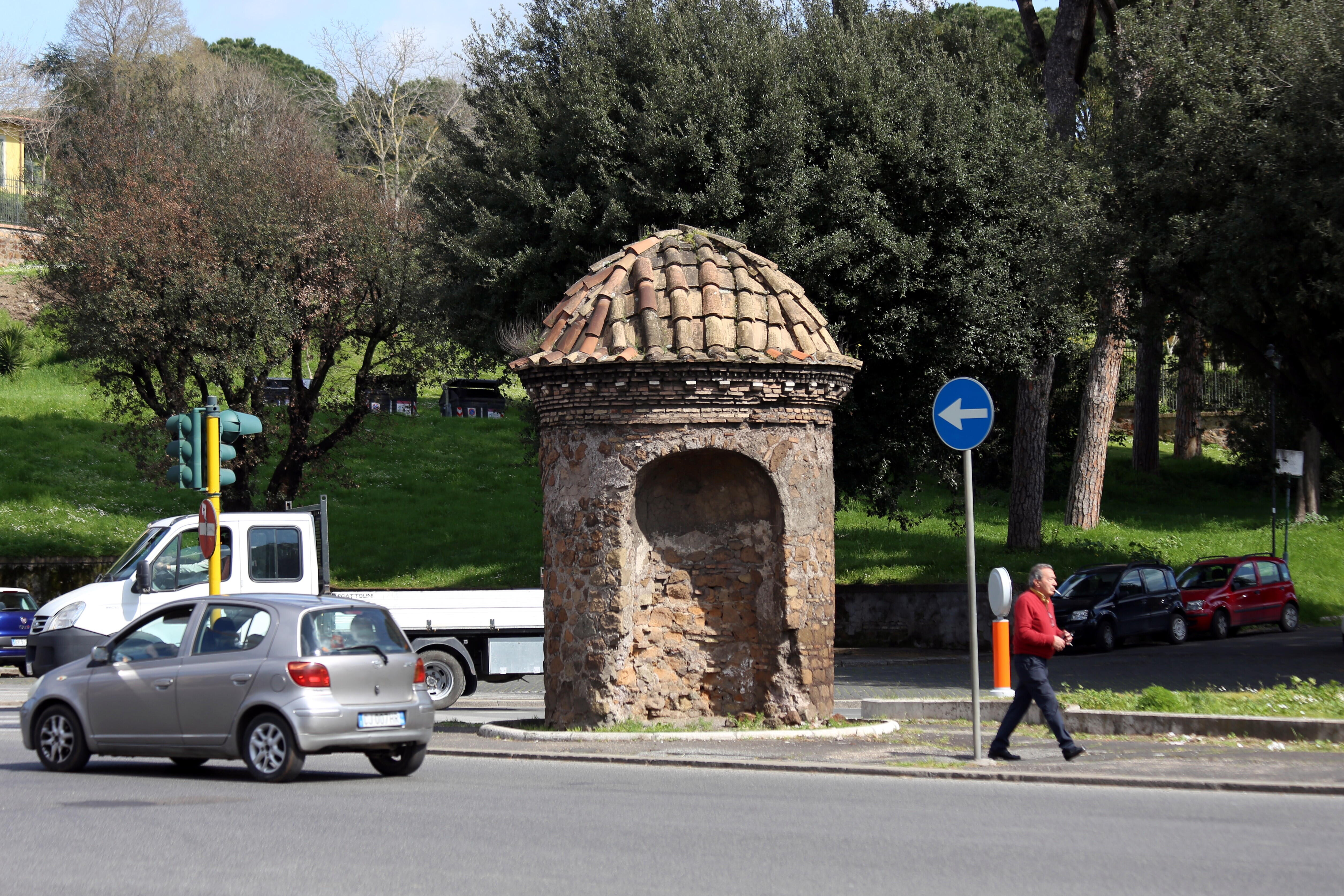
The main attraction of the square is considered to be a round stone structure with three arched niches. Local guides say that it was this structure that indicated the place where the roads branched off, but it was built in the 11th–12th centuries, and there is documentary evidence of Christian paintings in the niches. It is most likely that this structure was built on the ruins of a pagan sanctuary (compitum) dedicated to ancient Roman deities who protected travelers.
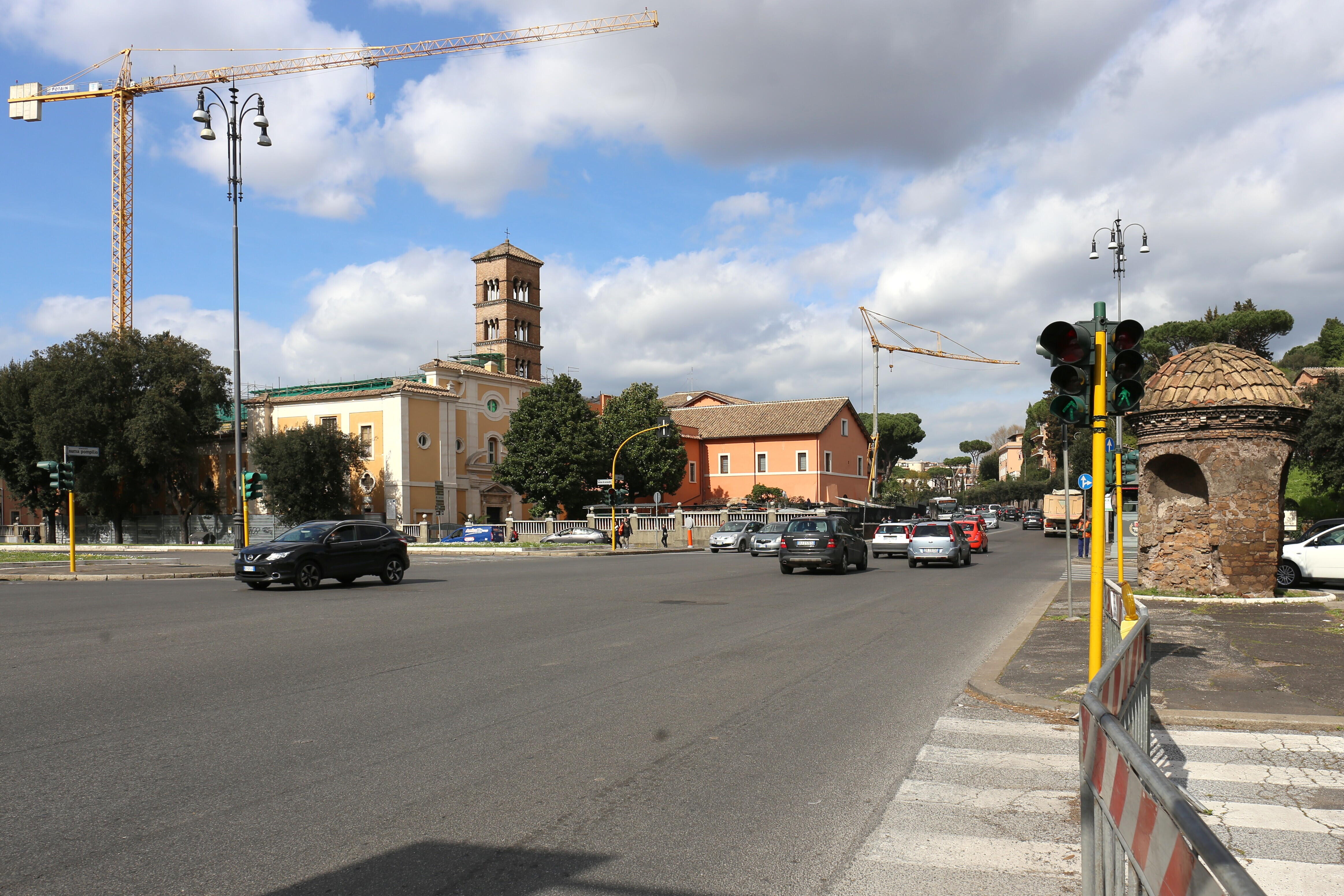
There are several churches on the square: the Basilica of San Sisto Vecchio (San Sisto Vecchio) with its characteristic medieval bell tower. It was founded in the 4th–5th centuries and bears the name of Pope Sixtus II; in the 13th century, the Pope transferred the church to the Dominican order, which founded the first Dominican men’s monastery in Rome.
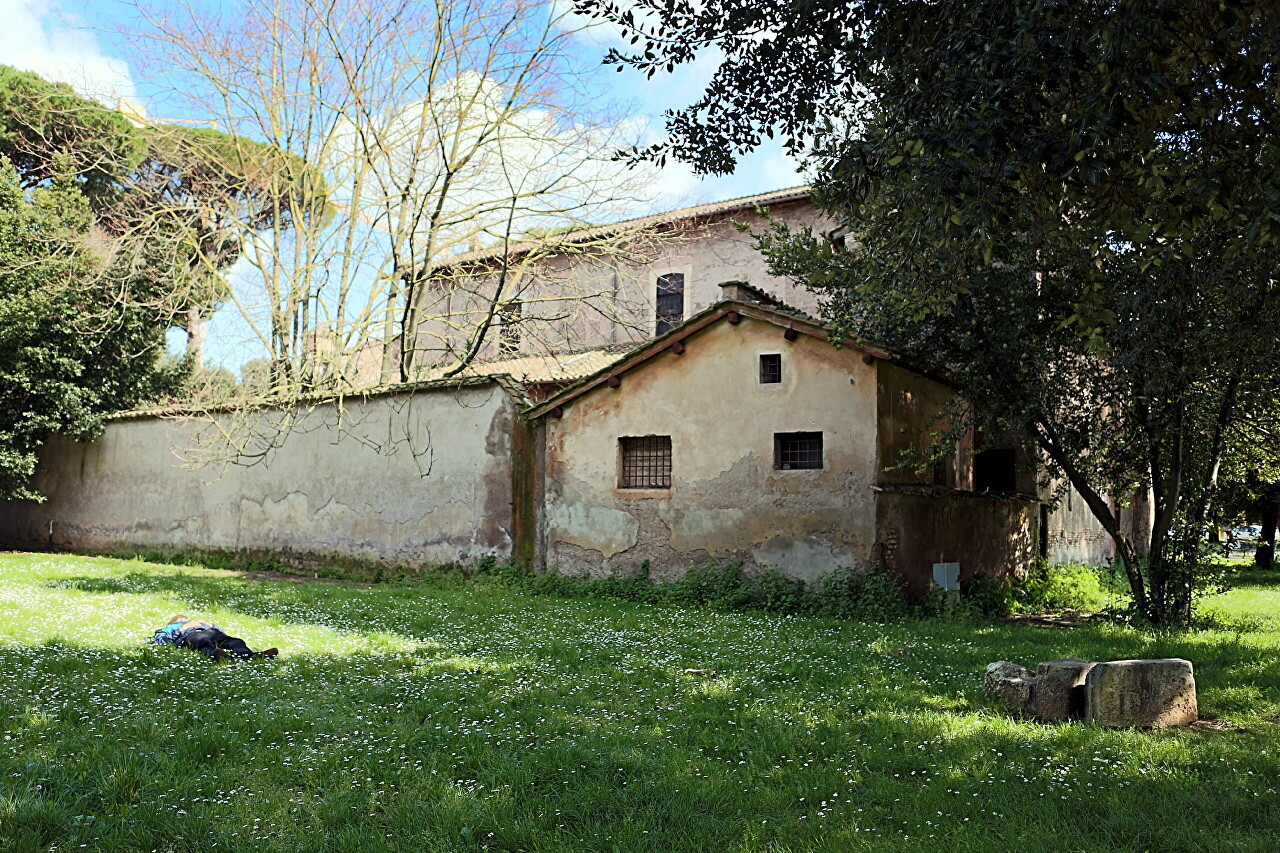
Opposite the walls of the Caracalla baths lies the early Christian Basilica of Saints Nereus and Achilles (Chiesa dei Santi Nereo e Achilleo), which has been known since the end of the second century.
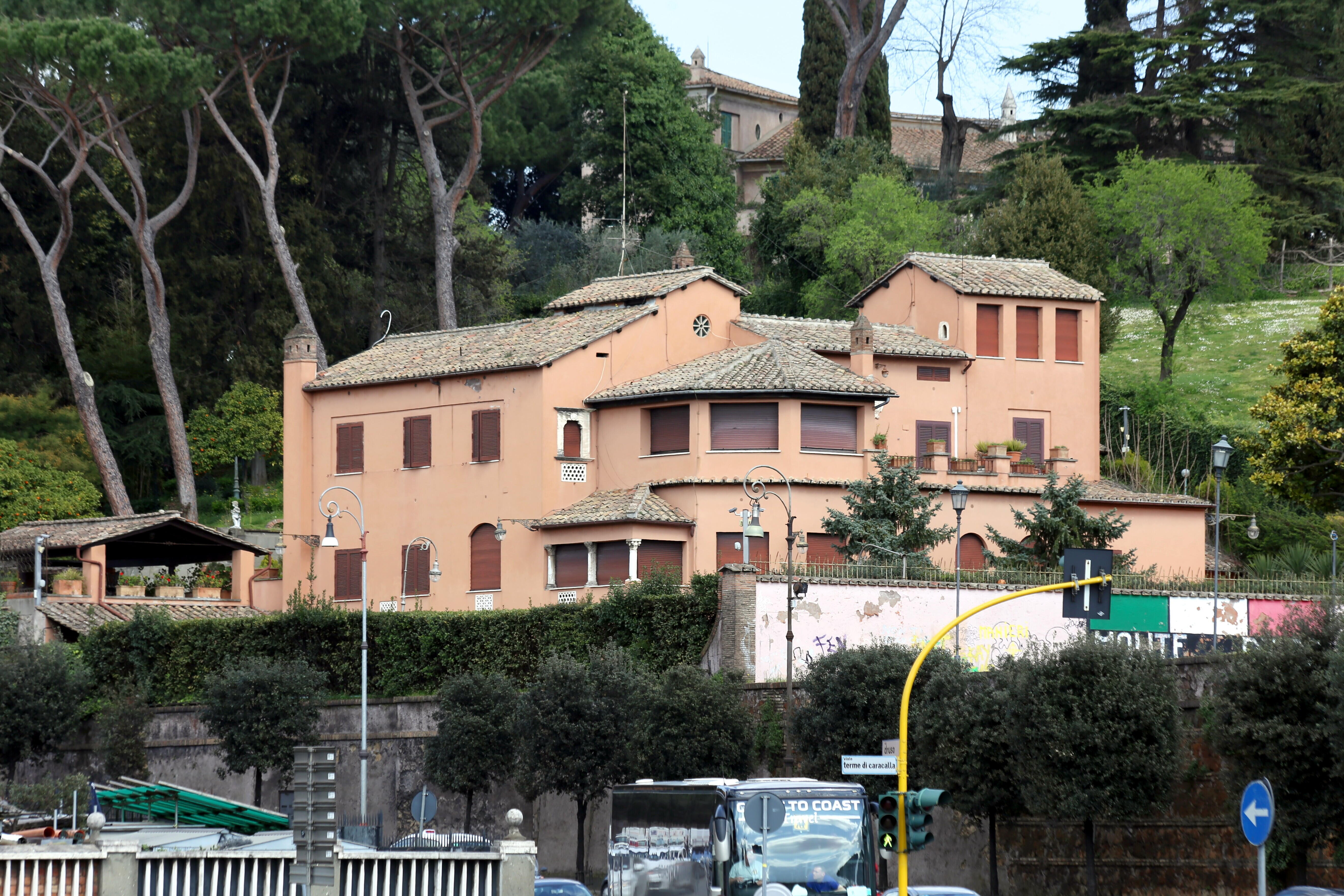
On the eastern corner of the square, on a hillside, is Villa Sordi, where the founder of the "Italian comedy" genre, actor and director Alberto Sordi, lived for half a century. Now the villa has the status of a house-museum (Casa Museo Alberto Sordi) and belongs to the Alberto Sordi Foundation (Fondazione Museo Alberto Sordi). Inside, authentic interiors from the 1950s and 1960s have been preserved; in addition to furniture and paintings, you can see costumes and manuscripts of screenplays, as well as a small cinema with velvet armchairs. The villa is a cultural heritage site in Italy. You can only get there with a guided tour by prior appointment.
At the beginning of Apian Road, there is a primary school (Scuola Primaria Giardinieri).