Paseo de Miraconcha, Donostia-San Sebastian
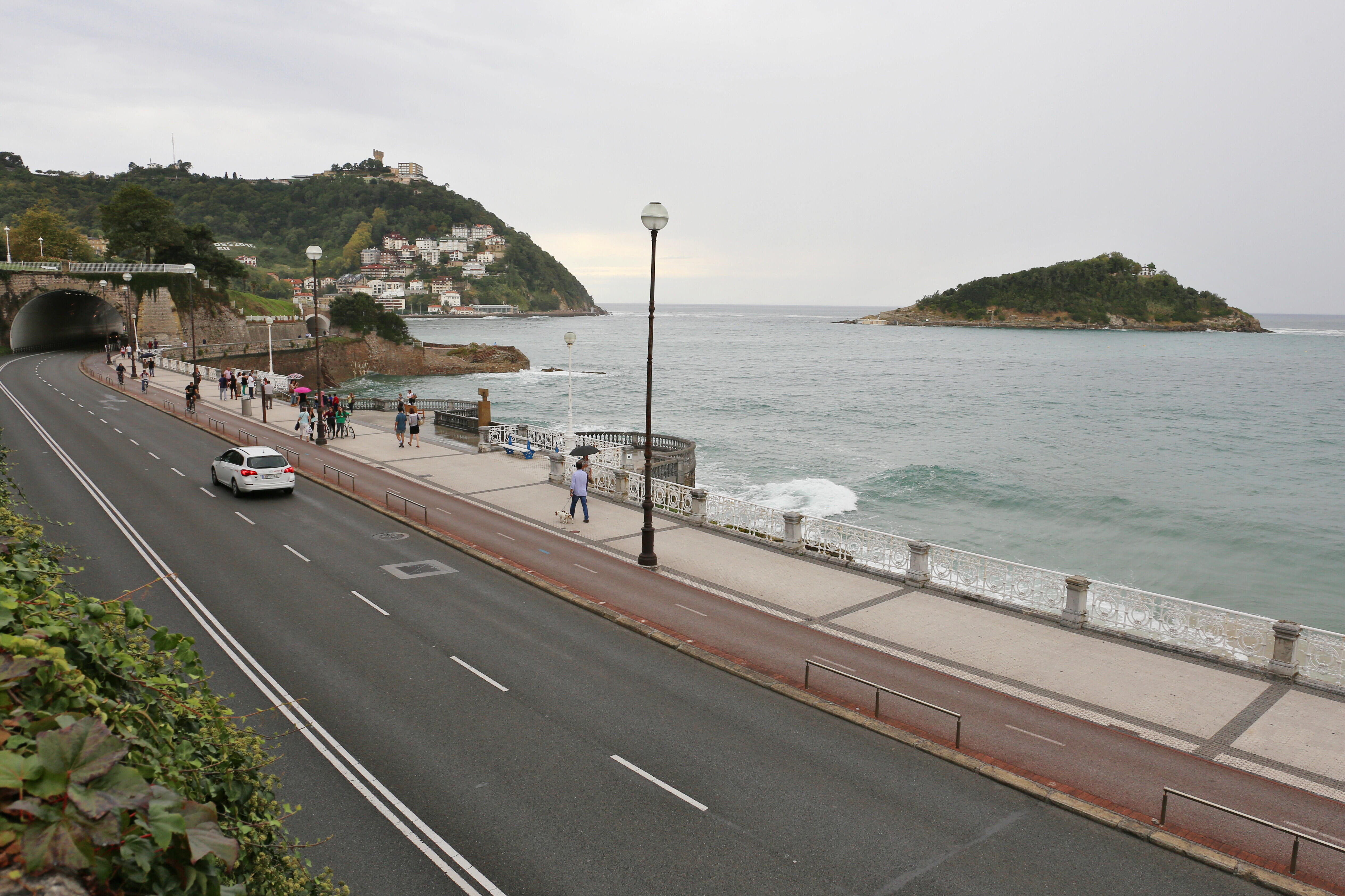
From the hill where the Miramar Palace is located, the most prestigious street of San Sebastian stretches towards the city center-Boulevard Miraconcha (Spanish Paseo de Miraconcha, Basque Mirakontxa pasealekua). The street has two parallel parts - the lower one, with a wide boardwalk and a busy roadway, goes along the beach, diving into a tunnel under the palace park.
The second part, narrow and quiet, runs along a high coastal terrace. Here are located the most prestigious residential buildings of San Sebastian, distinguished by their exquisite architecture and incredible prices, reaching 15 thousand euros and more per square meter.
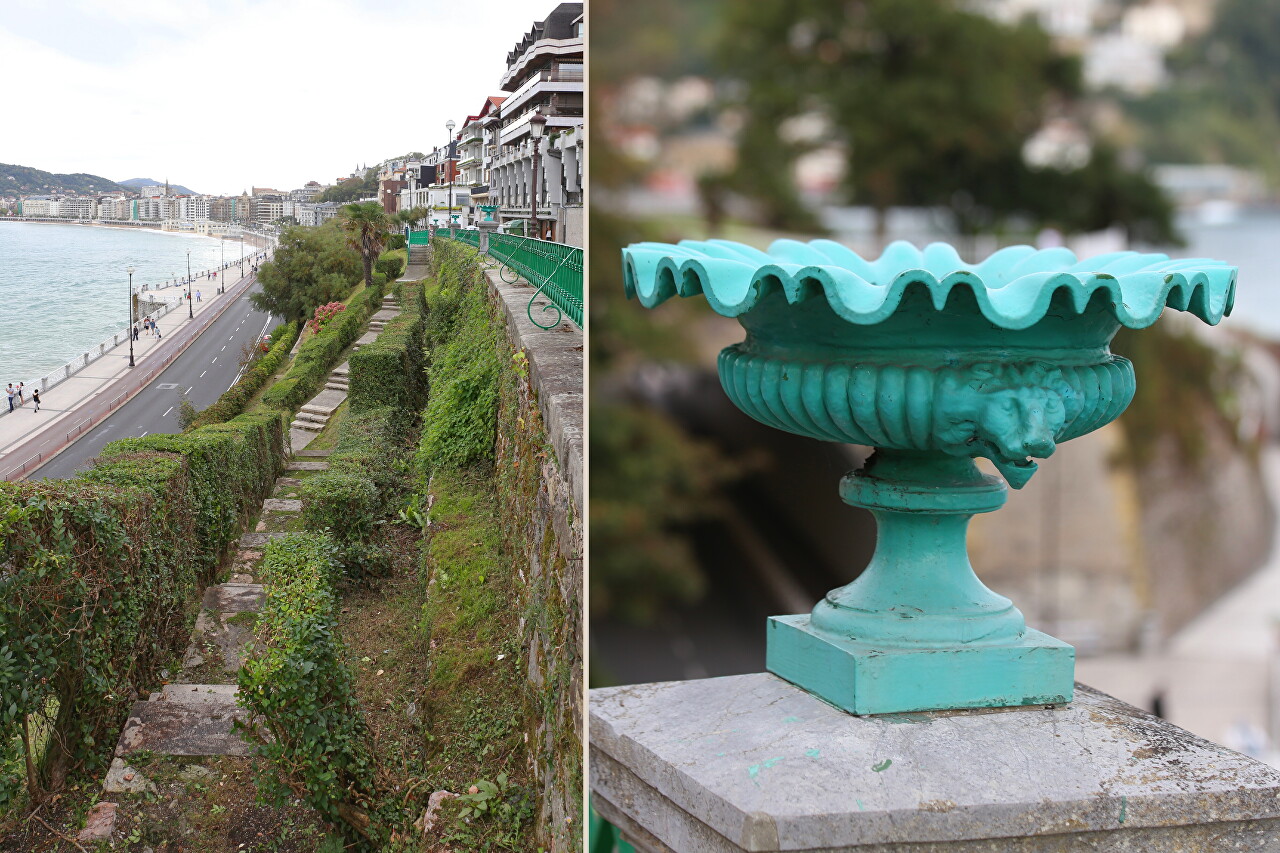
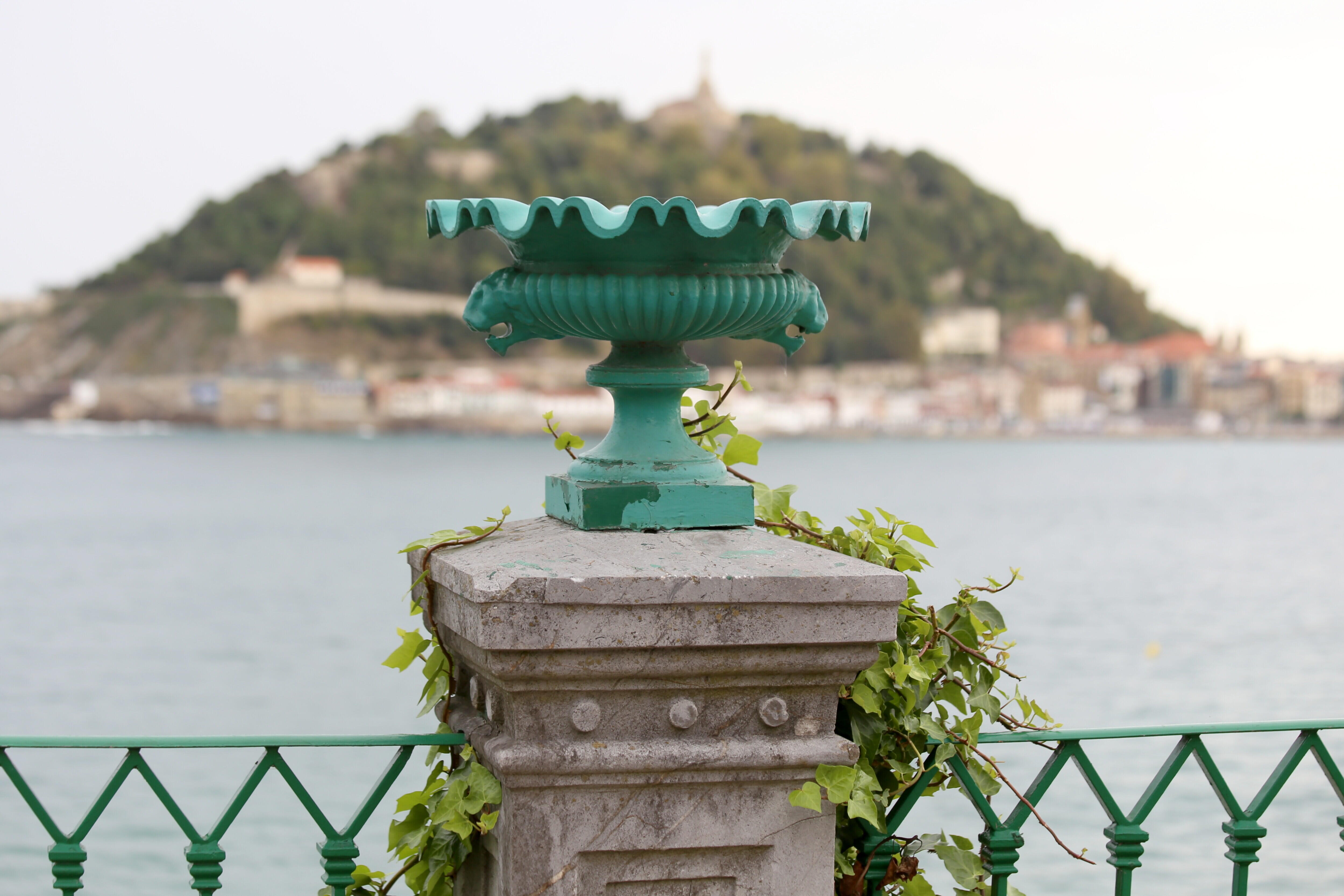
The Basque name can be translated as "View of the Concha" and indeed, this is the best view of the bay.
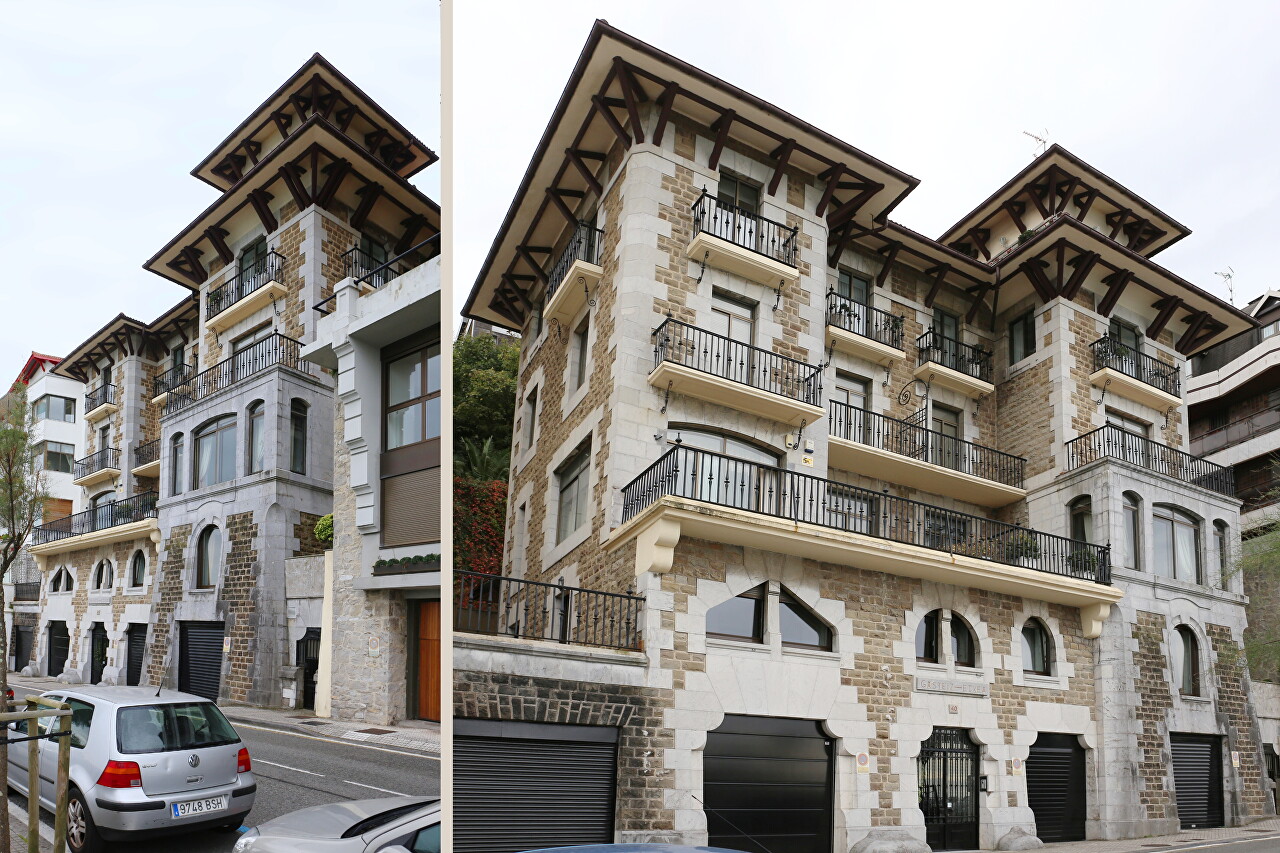
House number 29 was built in the early 20th century, during the booming popularity of the resort. It is a typical example of the Neo-Basque style, with walls styled to look like natural stone and wide roof overhangs, which are traditional in Northern Spain. The apartments in this building were originally intended for rent to wealthy individuals. Currently, the apartments in this building range in price from 4,000 to 8,000 euros per month, with significantly higher prices during the resort season. The house is recognized as an architectural monument, and the owner is not allowed to change its appearance.
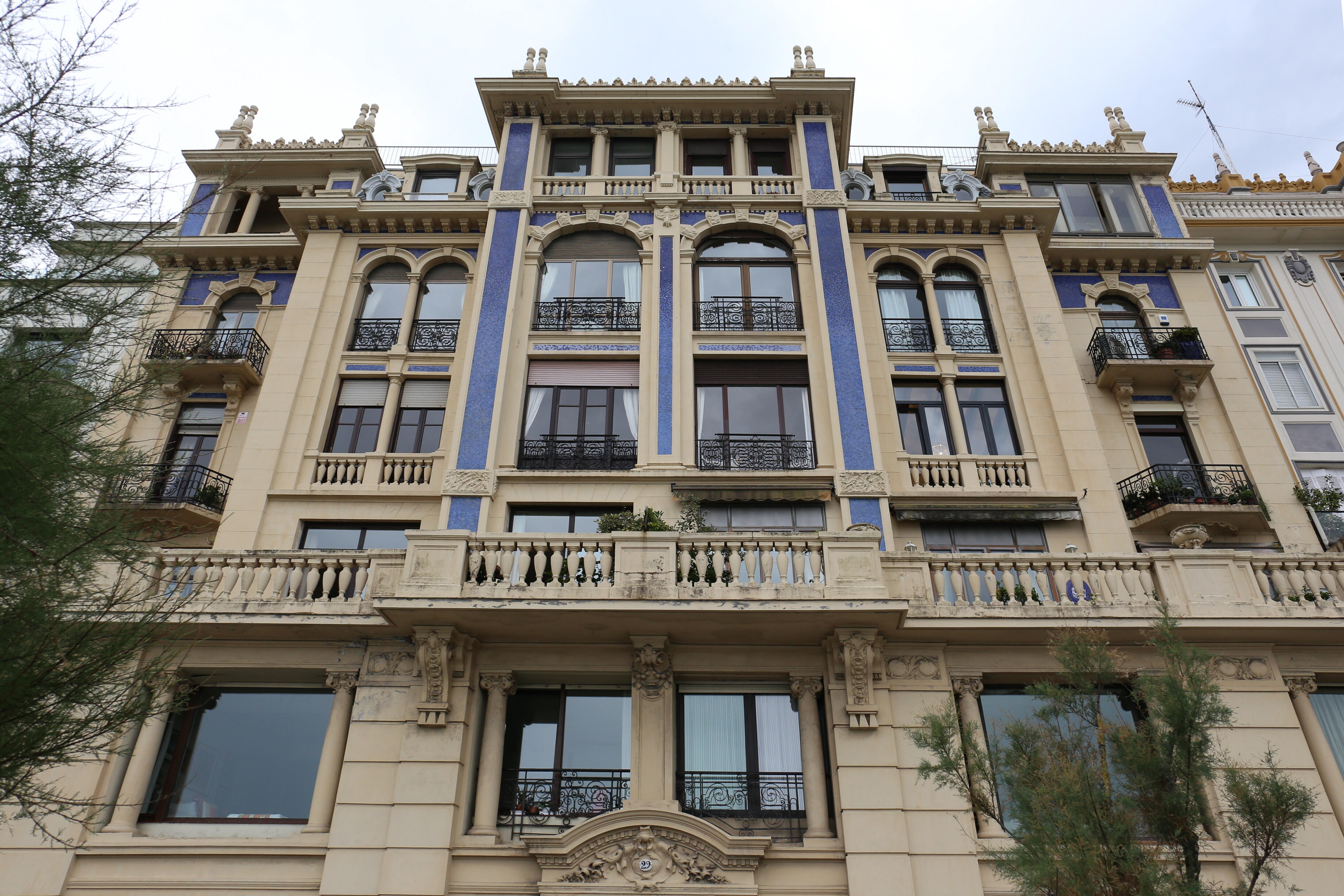
The residential building at 36-37 may seem quite modern, but it was built in 1910 in the Neo-Baroque style. Its architecture reflects the eclecticism of the turn of the century, with a strong influence from the Parisian style. The distinctive features of Basque Art Nouveau include its austere yet elegant lines, massive arched windows, and wrought-iron balconies.
Villa Vista Eder was built in 1913 by order of the Cuban tycoon José Manuel Triana as a gift for one of his daughters. The project was commissioned to the famous architect Francisco Urcola, the author of the Victoria Eugenia Theater. Initially, the building was an example of eclectic Belle Époque resort architecture with elements of the traditional Basque style: characteristic masonry facade, wrought-iron balconies and wooden roof elements. In the second half of the 20th century, the building changed owners several times, the last of which was unable to maintain it. The villa was put up for sale, but the situation was complicated by the fact that the city and the Áncora Cultural Heritage Association had managed to include the building in the list of protected sites, which prevented the demolition or reconstruction of the facade. Finally, in July 2020, the villa was sold for 10.5 million euros and transformed into a luxurious hotel of the Nobu chain, co-owned by Robert de Niro. As a result of the reconstruction, the historical facade of the building was preserved, but the interior and backside were extensively renovated to meet hotel standards, leading to several high-profile controversies initiated by historical heritage advocates. Finally, in 2023, the Nobu Hotel San Sebastián officially opened its doors, offering guests luxurious accommodations and panoramic ocean views.
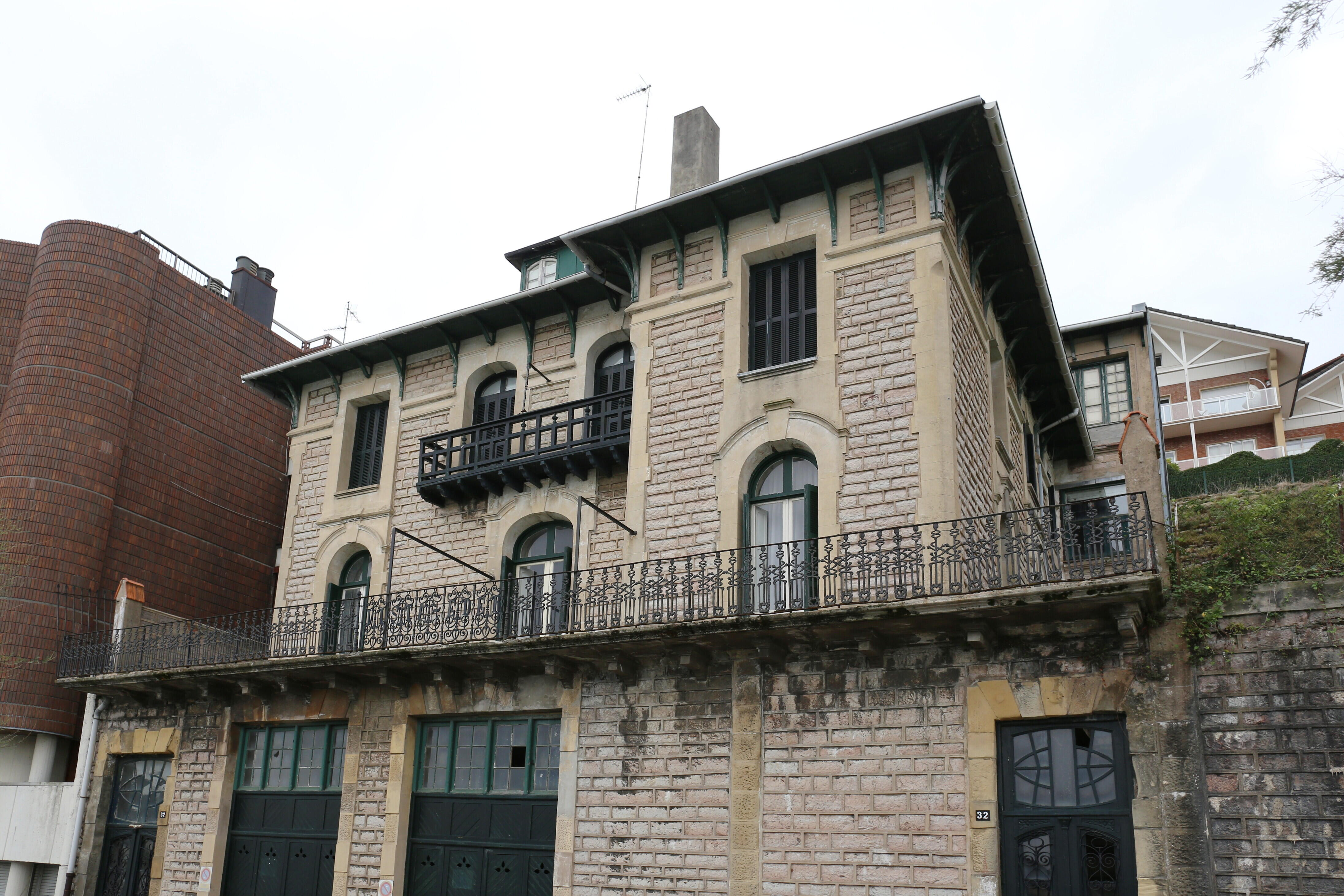
House number 14 is another example of a Belle Époque and Art Nouveau hybrid, but it was built in 1920, at the end of the era.
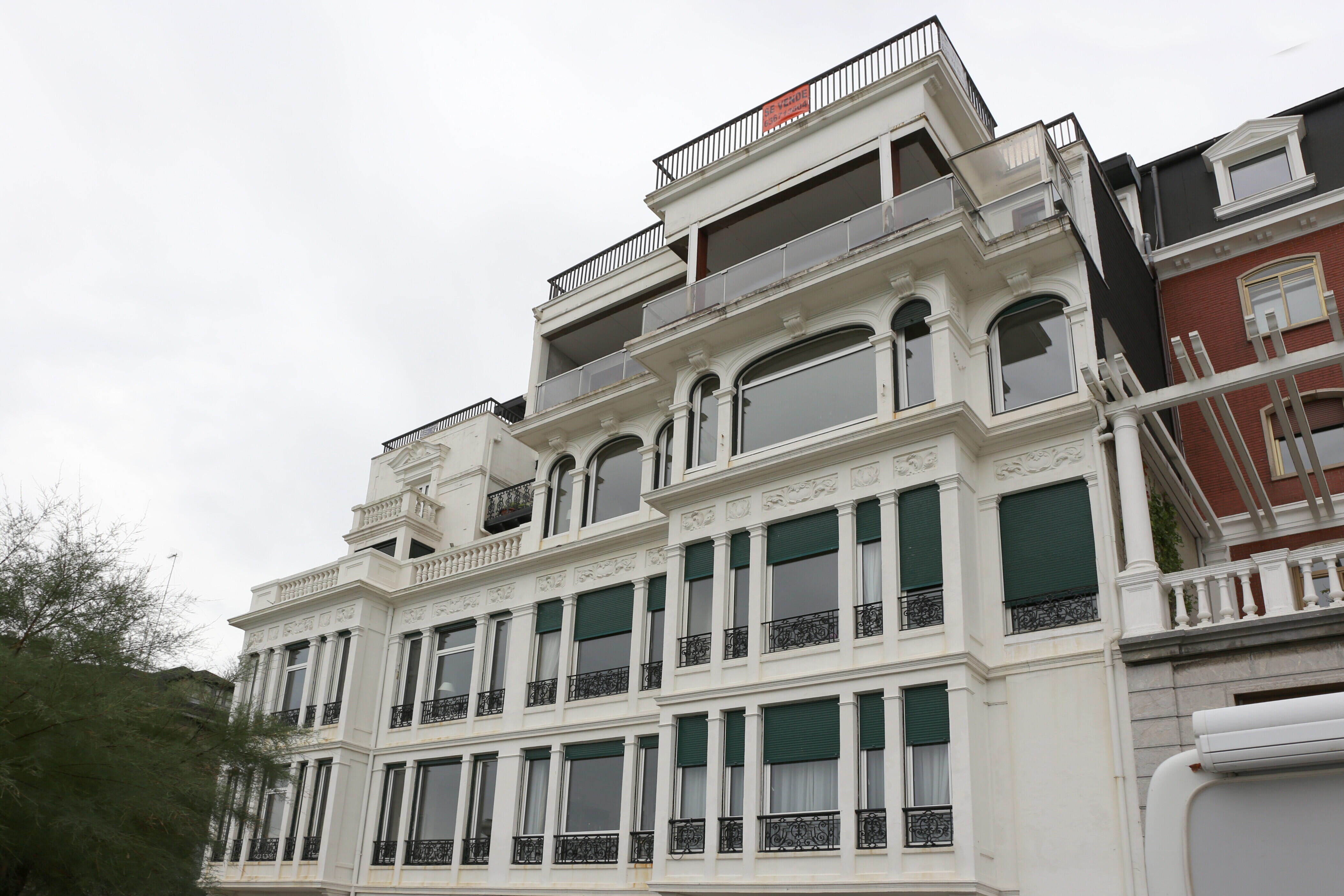
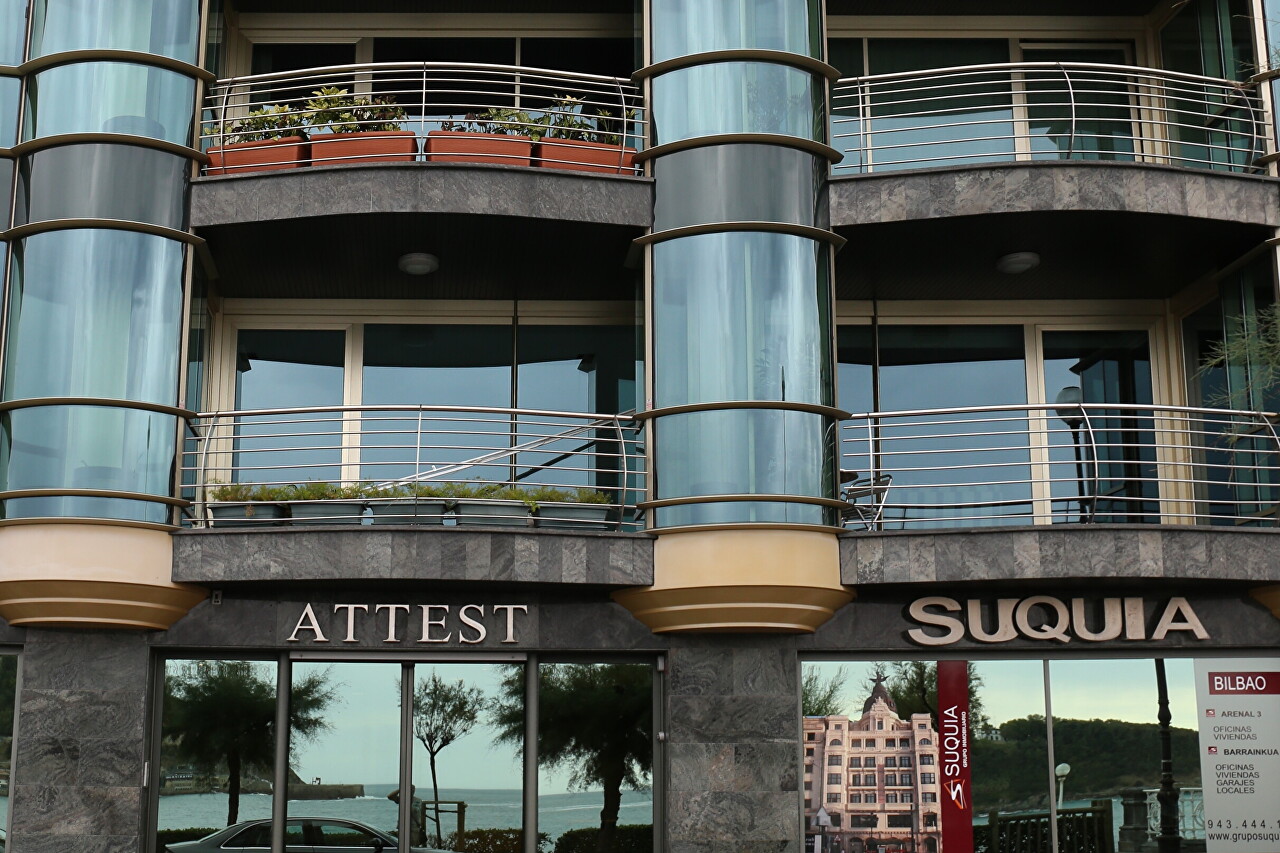
The beauty of the Belle Époque is complemented by a high-tech apartment building built in 2000.
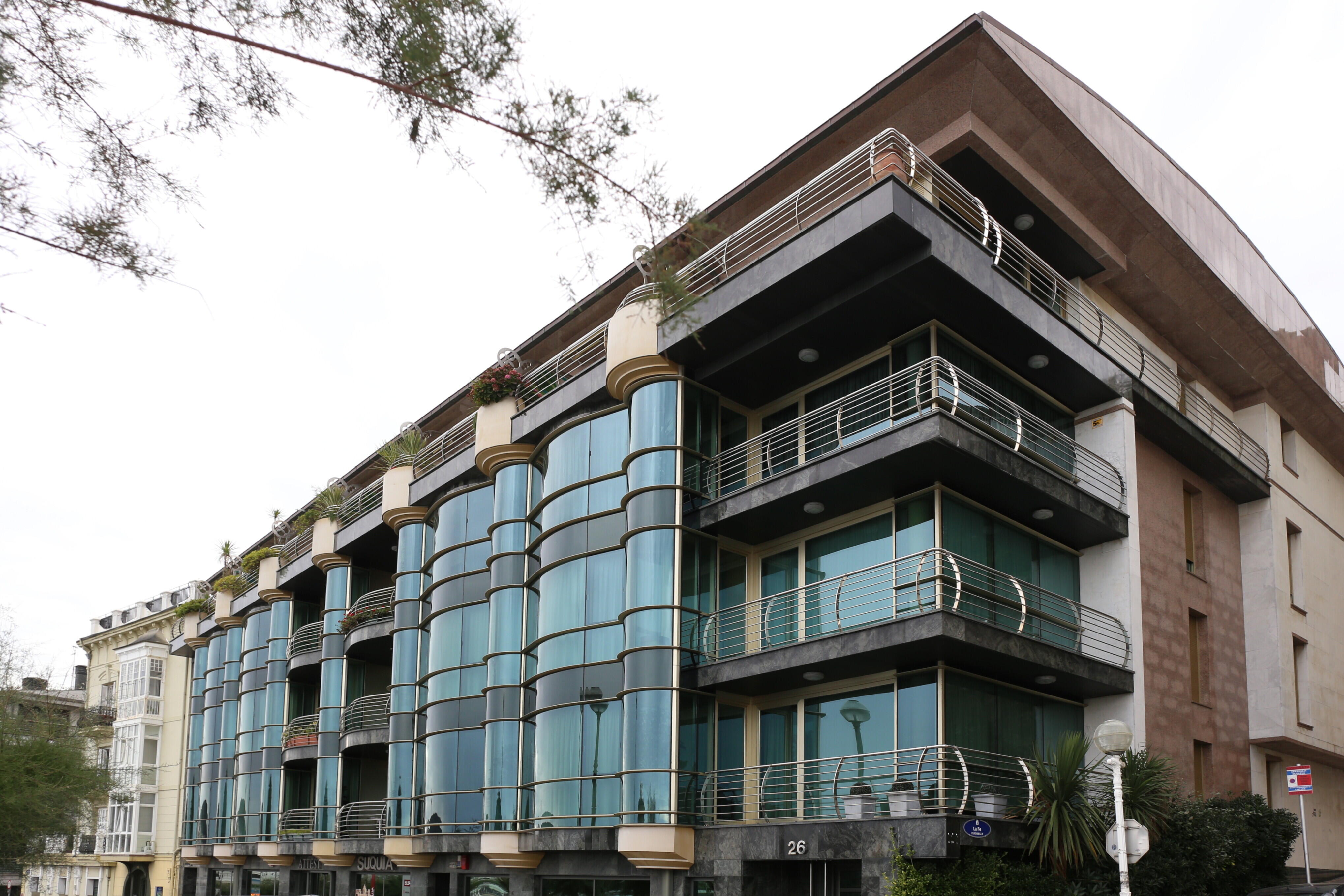
The building was designed and constructed by Grupo Suquia, a well-known Spanish construction and investment consortium, with its headquarters located on the ground floor.
Villa Amparo is pure Art Nouveau, as indicated by the Omega-shaped portal. In 1888, the famous politician and future Prime Minister of Spain, Jose Canalejas Méndez, purchased a plot of land in San Sebastian with a small house for the summer residence of his family.
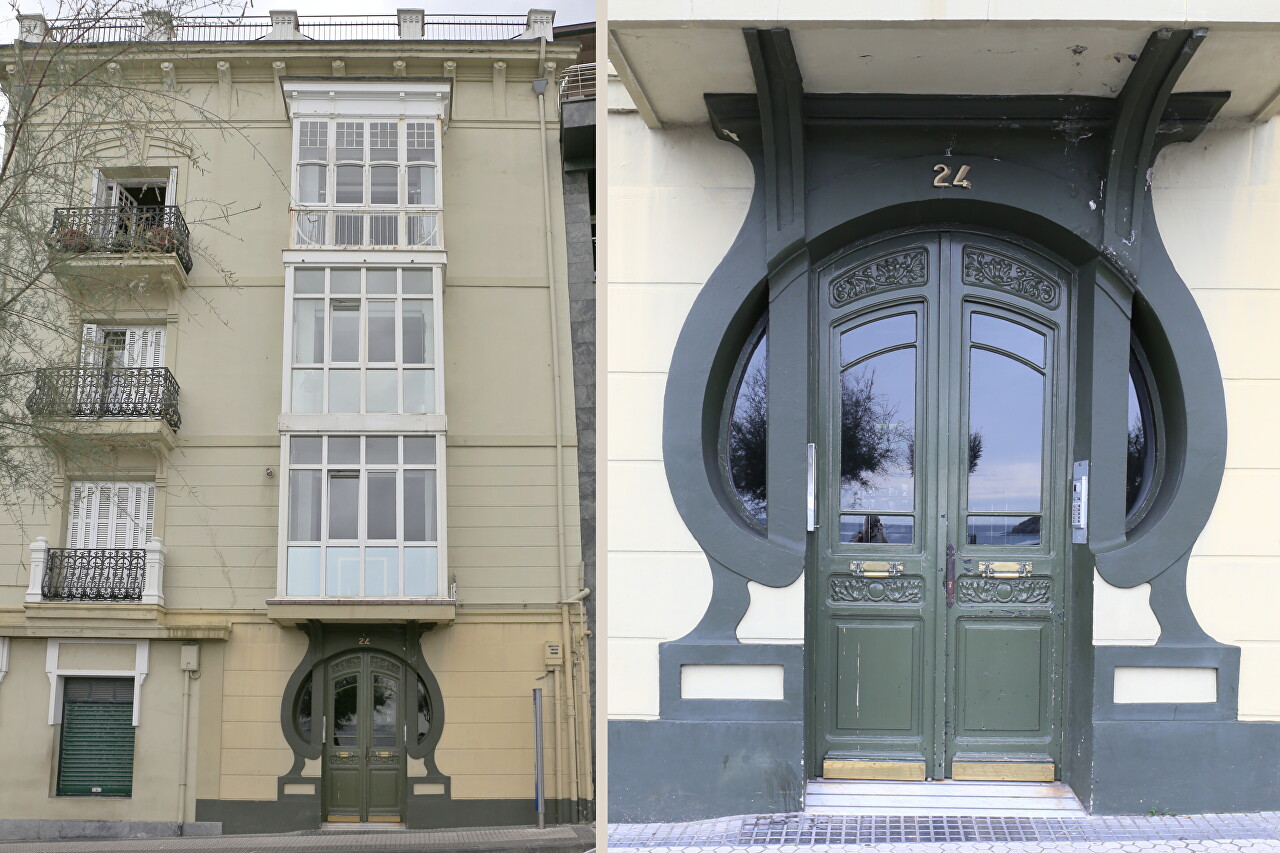
In 1906, a large house was built according to the project of the master of construction works Miguel Irastorza Casares, to whom the politician gave the name of his wife. The building is under the official architectural protection of the city.
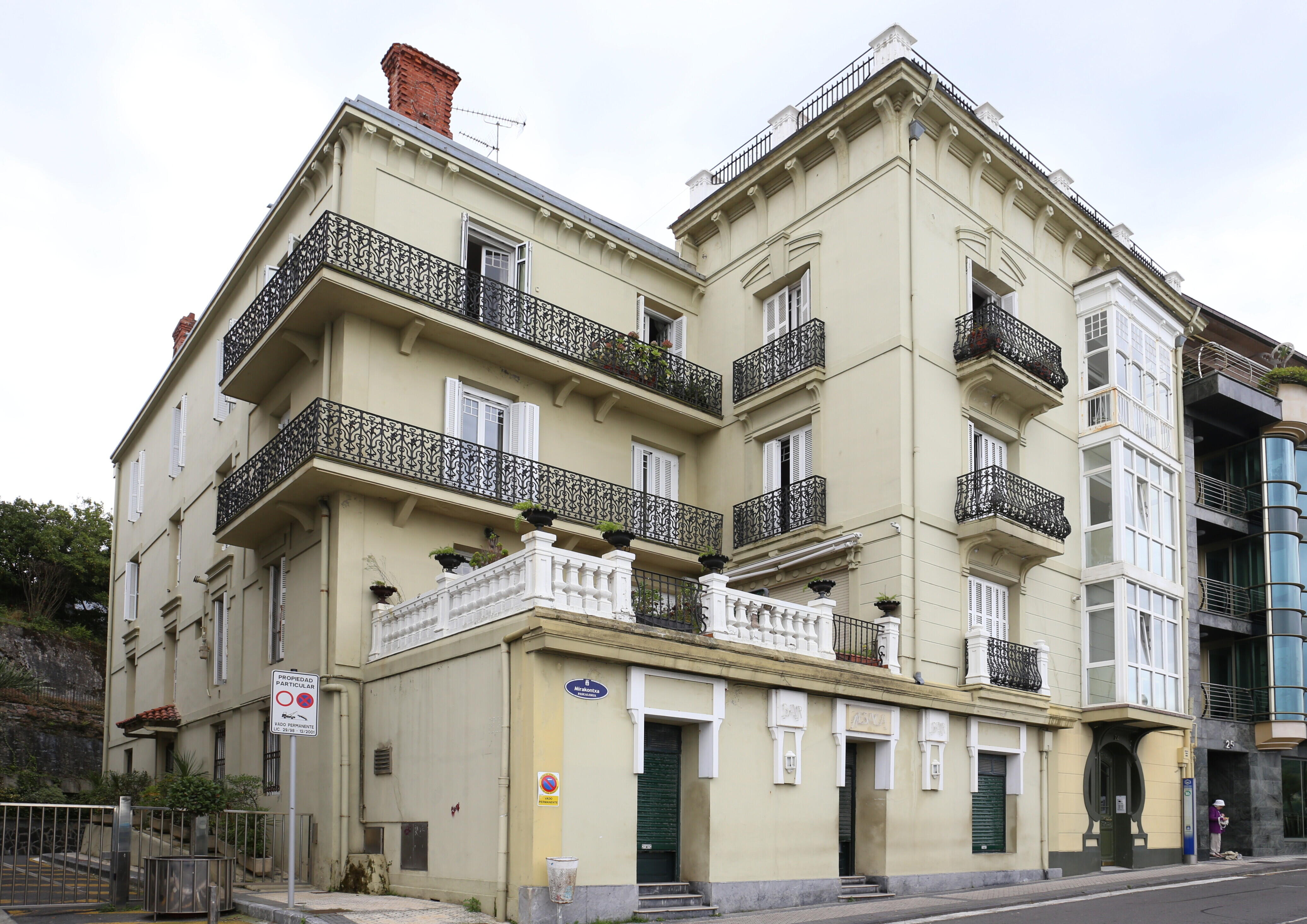
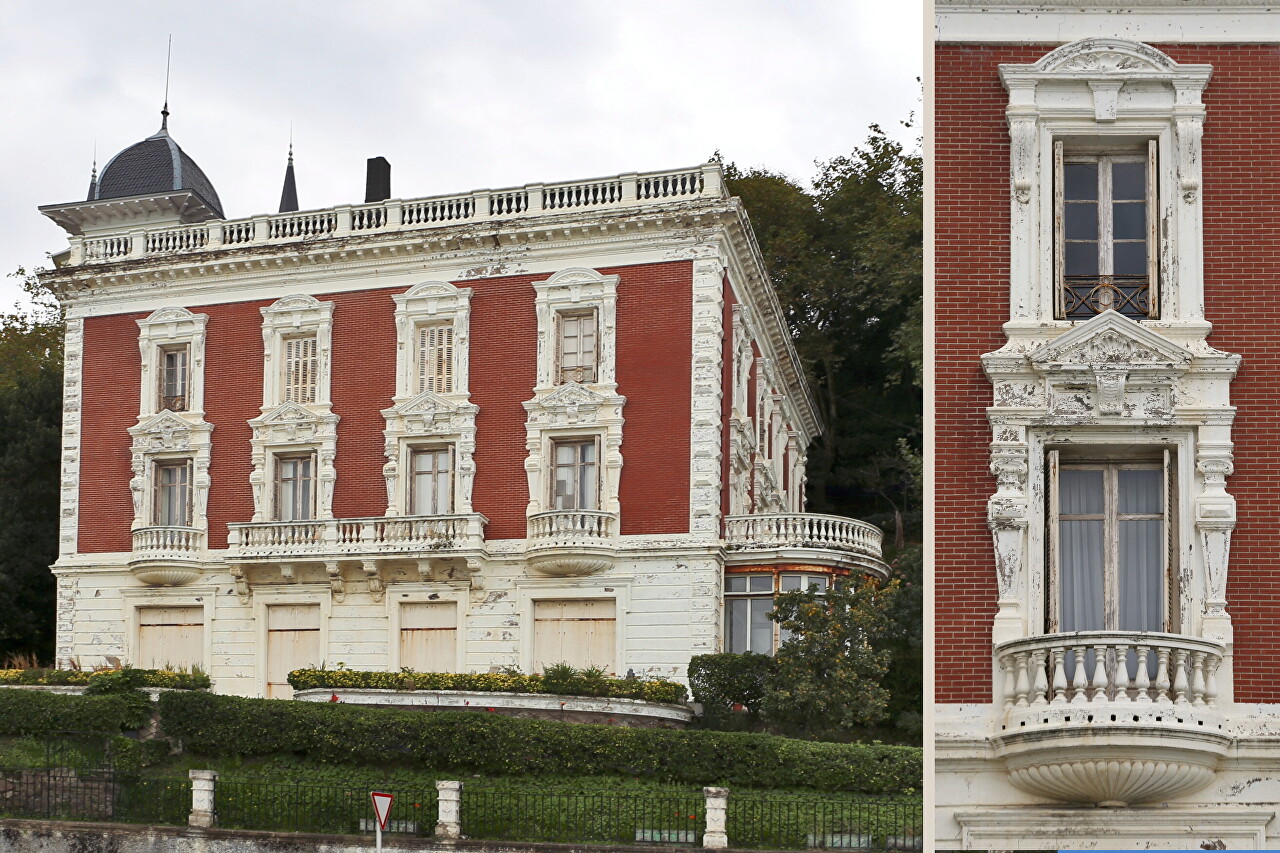
Villa Almudena is one of the most iconic historical mansions in San Sebastian, whose history began a century and a half ago. The customer and first owner of the building was Jose Gutiérrez de la Concha, Marquis de La Habana, a prominent Spanish military and statesman, former Captain General of Cuba. The mansion was built in 1867-1868 and was named Villa Buschental. In 1895, the villa was remodeled by local architect Jose Goicoa, with a new eclectic facade featuring elements of French neoclassicism, featuring a contrast of bright red brick and lush white stucco around the windows and balconies. The mansion changed hands several times and was called Villa Navas, then Villa Adelaide. In 1942, the villa was bought by the Comte de la Almudena, the most famous of the owners. In 1965, the owner of the house was the notary Alejandro Bergamo, who retained the same name. After his death, the heirs abandoned the estate and for more than 30 years it was inhabited only by caretakers and peacocks in the garden, which is why the townspeople nicknamed the villa "House of Peacocks". In 2017, the Basque construction company Grupo Arrasate bought a half-abandoned villa for 12 million euros, converting it into a residential complex with 6 luxurious apartments, underground parking, and a swimming pool. The apartments were sold during the reconstruction process, with prices reaching up to 22,000 euros per square meter, making them some of the most expensive apartments in the city. The building is a housing cooperative (Almudenaenea S.Coop.). I took these photos in 2014, so you can see the building in its abandoned state.
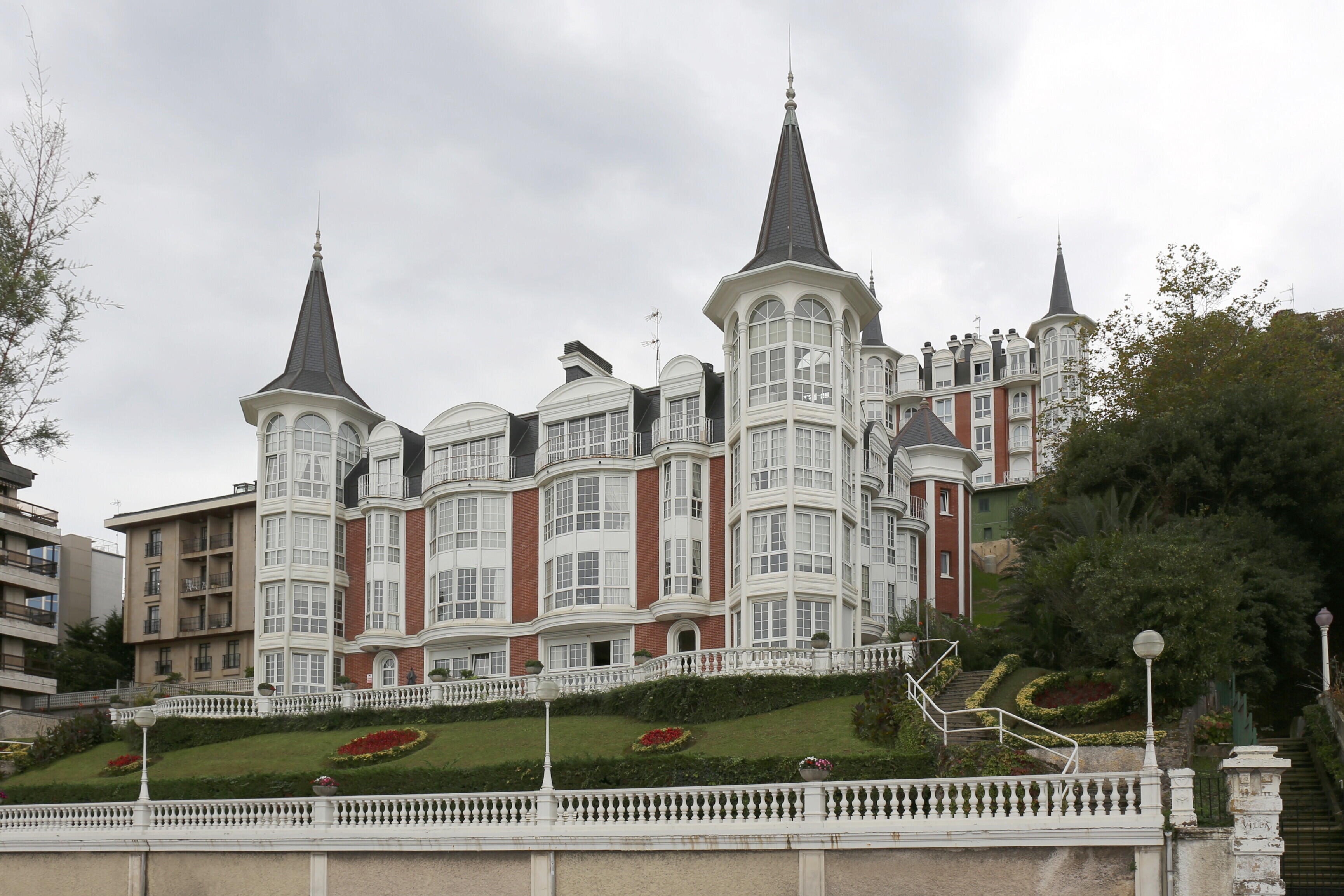
Luxury residential complex Maskor Gain grew in 1985 on the site of Villa Londaiz, built in 1867 and known as the "House with towers". By the end of the 70s of the 20th century, the owners could no longer maintain a huge palace, and sold the plot for development. At that time, the movement for the preservation of historical heritage was still in its infancy and the building did not have a protected status.