Plaza de Toros 'la Caprichosa', Talavera de la Reina
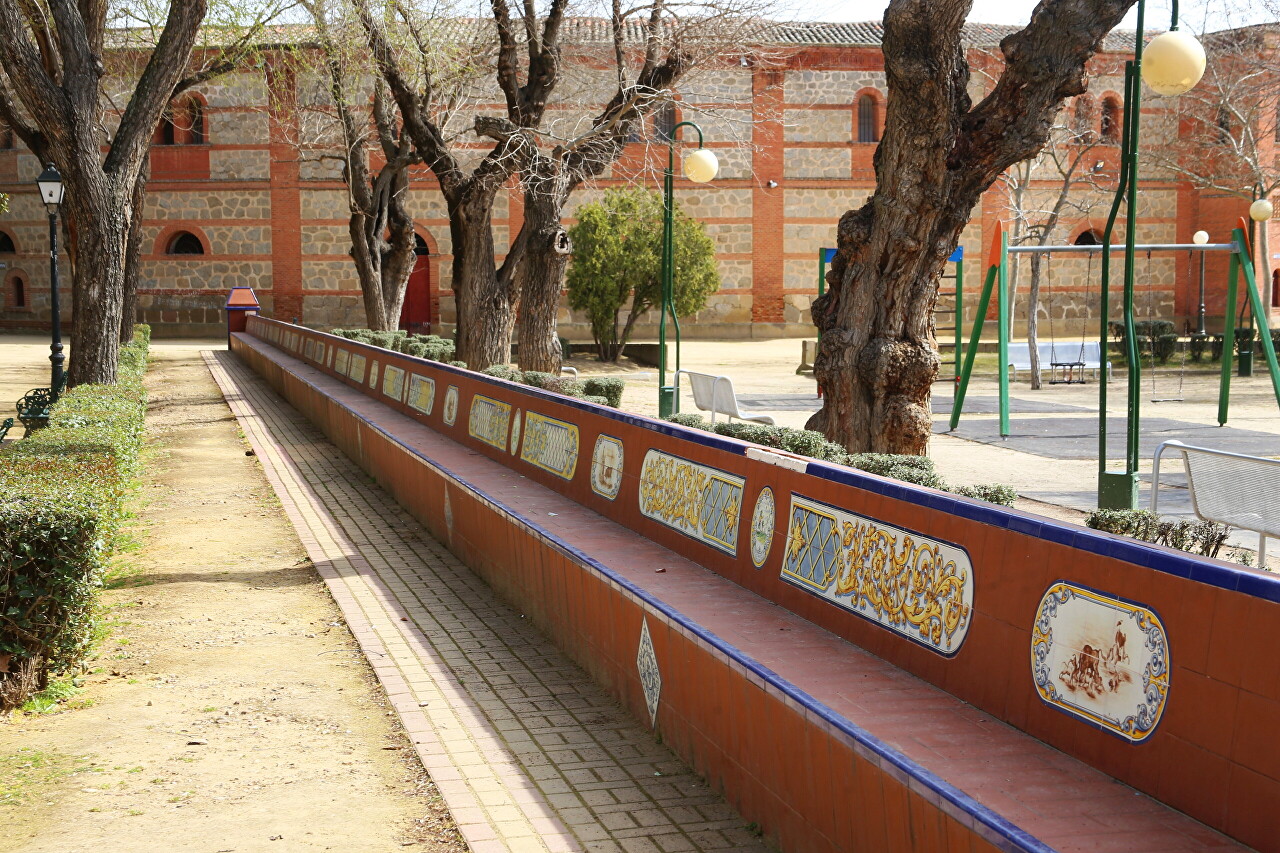
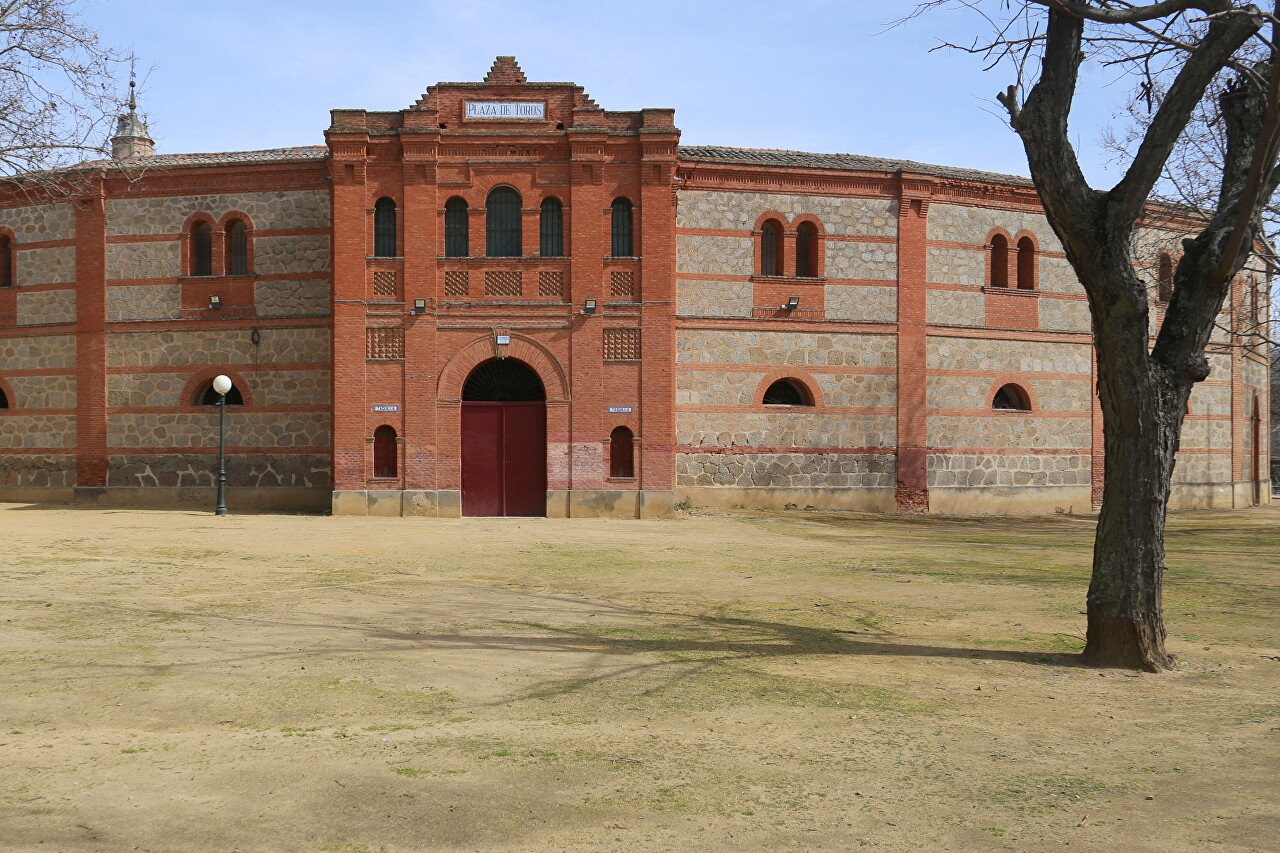
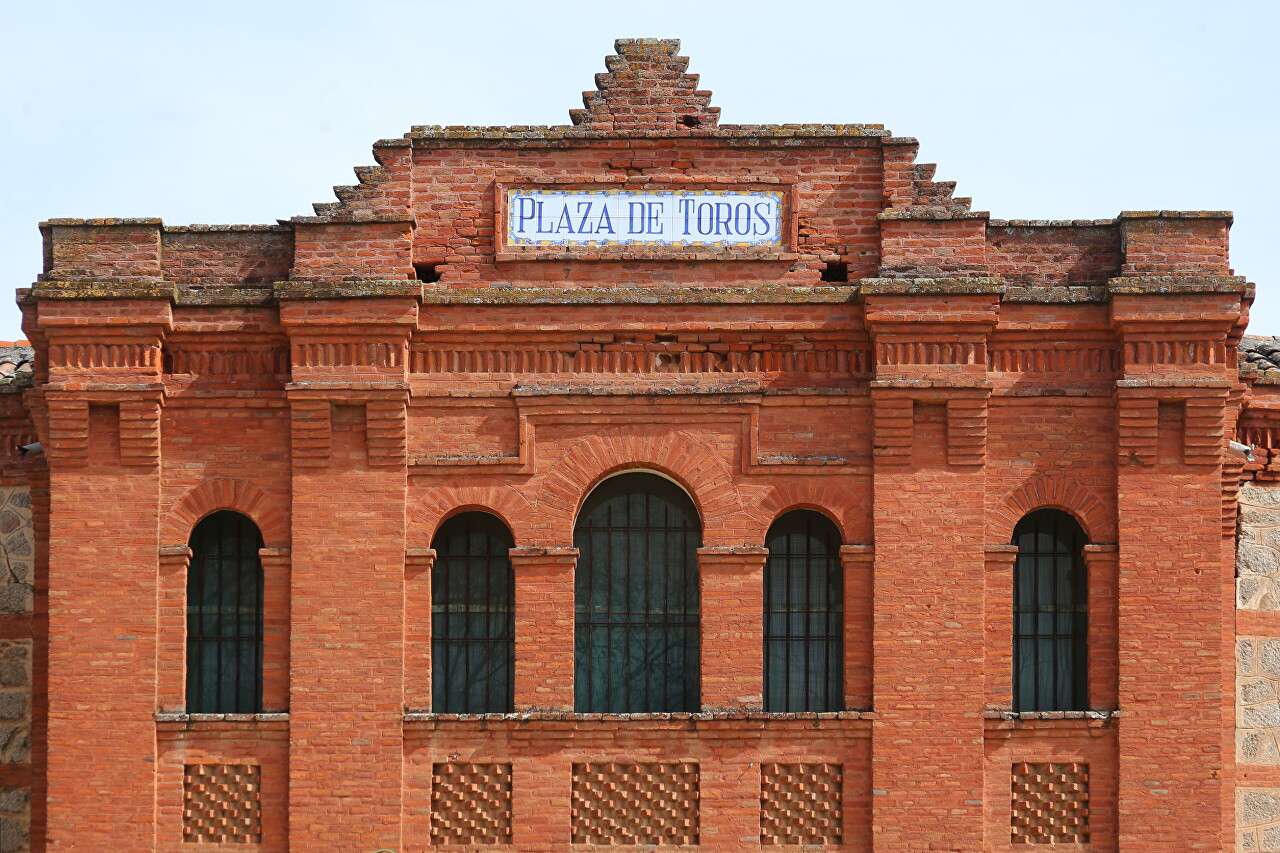
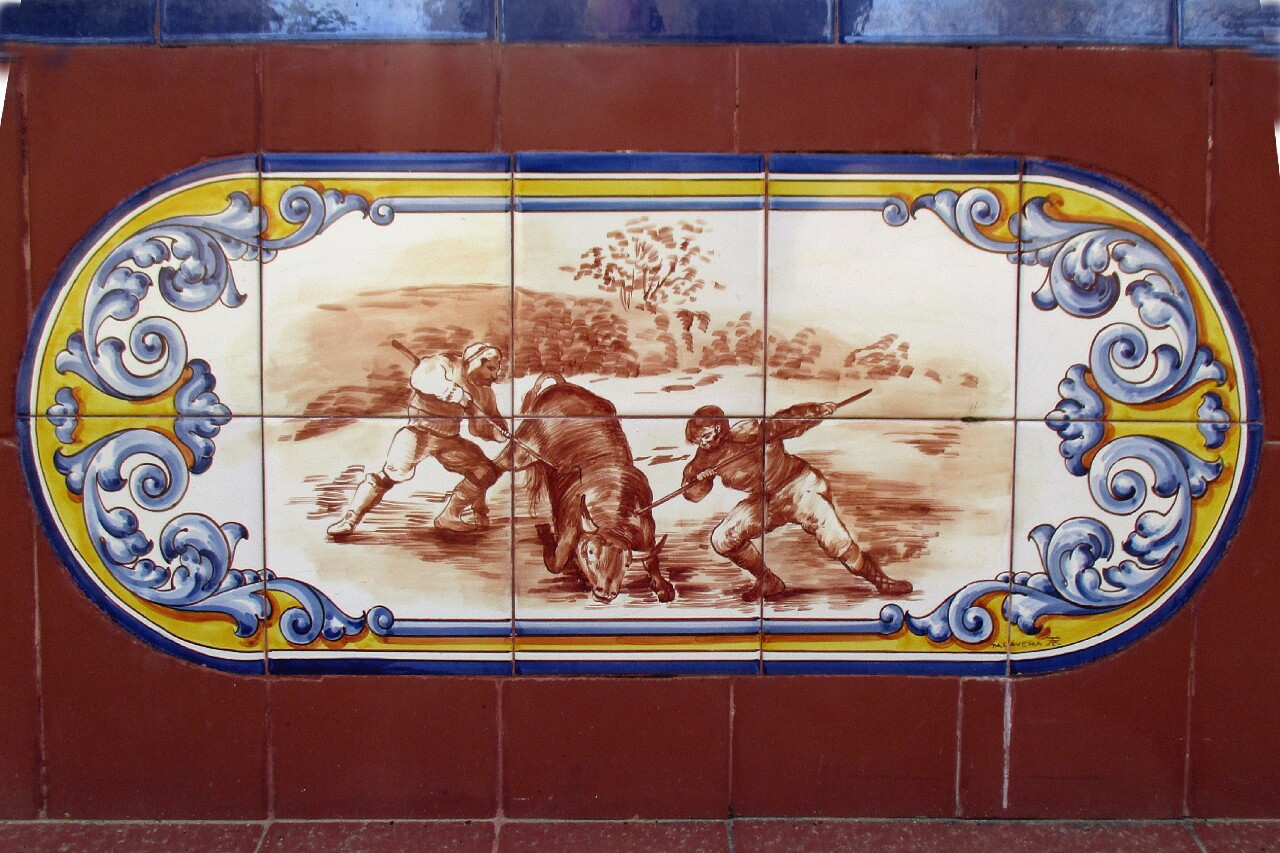
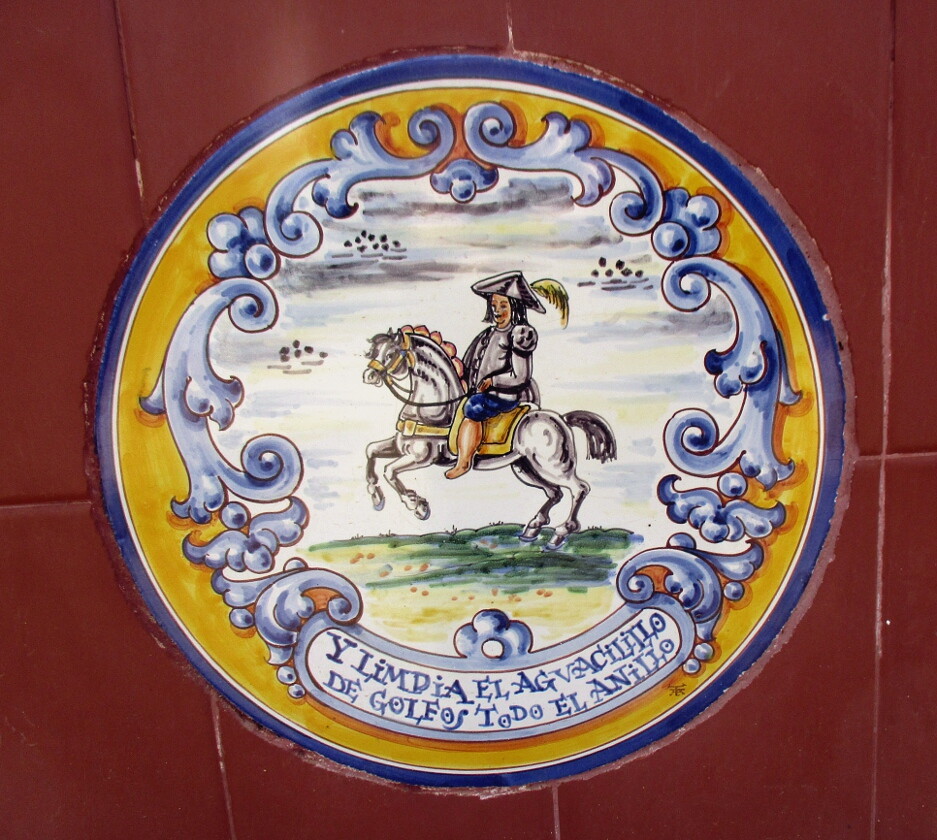
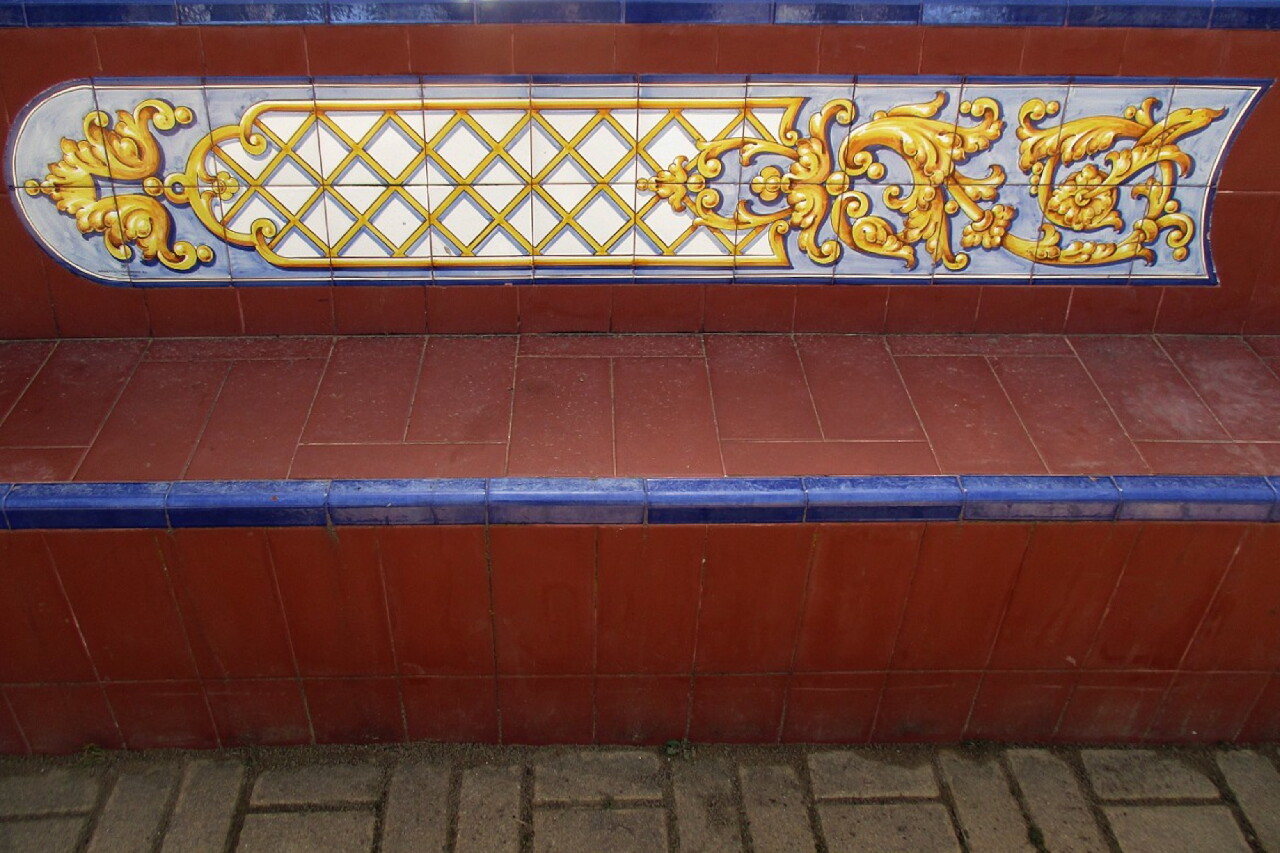
Until the end of the 19th century, temporary wooden fences and stands were used in Talavera for bullfighting. In early 1890, several wealthy families approached the city council with an initiative to build a permanent arena at their own expense. It was a purely commercial enterprise, at that time there was a real bullfighting boom, and investors recouped their investments very quickly. By the way, the arena is still in private hands. A place was allocated for the construction at the end of the gardens of the Prado (Jardines del Prado), next to the Basilica of Our Lady of Pardo. There was a dilapidated church hospital for the poor on this site, which was demolished, and the stones from its walls were used in the walls of the arena. The grand opening took place in September 1890, during the culmination of the annual celebration in honor of the patroness of the city, the Virgin of Pardo (Fiestas de la Virgen del Prado). On that day, six bulls of Enrique Salamanca fought between Fernando Gomez Gallo and Antonio Arana, nicknamed "Jarana". Construction was carried out in a hurry, and the arena was opened with an unfinished upper tier. Only in 1958, the upper boxes were completed, increasing the total capacity of the arena to five thousand spectators. The arena became famous on May 16, 1920, on the so-called "Black Bullfighting Day." During the fight, the legendary 25-year-old Spanish matador Joselito (Jose Gomez Ortega), who was considered an absolute genius of his time, was mortally wounded. A bull named Bailador inflicted a severe wound in his stomach with a horn, and Joselito died right in the infirmary of the arena. His death plunged the whole of Spain into mourning, and the arena itself gained the status of a cult and mystical place for all fans of bullfighting. This performance was attended by Queen Victoria Eugenie, who had the nickname "Capricious". The locals will definitely tell you the legend that she asked the matador to perform a beautiful but very dangerous trick, which ended tragically for him and since then the arena has been called La Caprichosa (Capricious). In fact, this name was fixed for the building even during construction due to the constant alterations of the project according to the requirements of the investor. The architecture of the building is not distinguished by excesses, it is a purely utilitarian structure, although some find features of the Mudekhar style in it. However, this is more than compensated by the monumental benches in the square in front of the arena, covered with ceramics with wonderful bullfighting-themed panels..
..
..
..
..
..
..