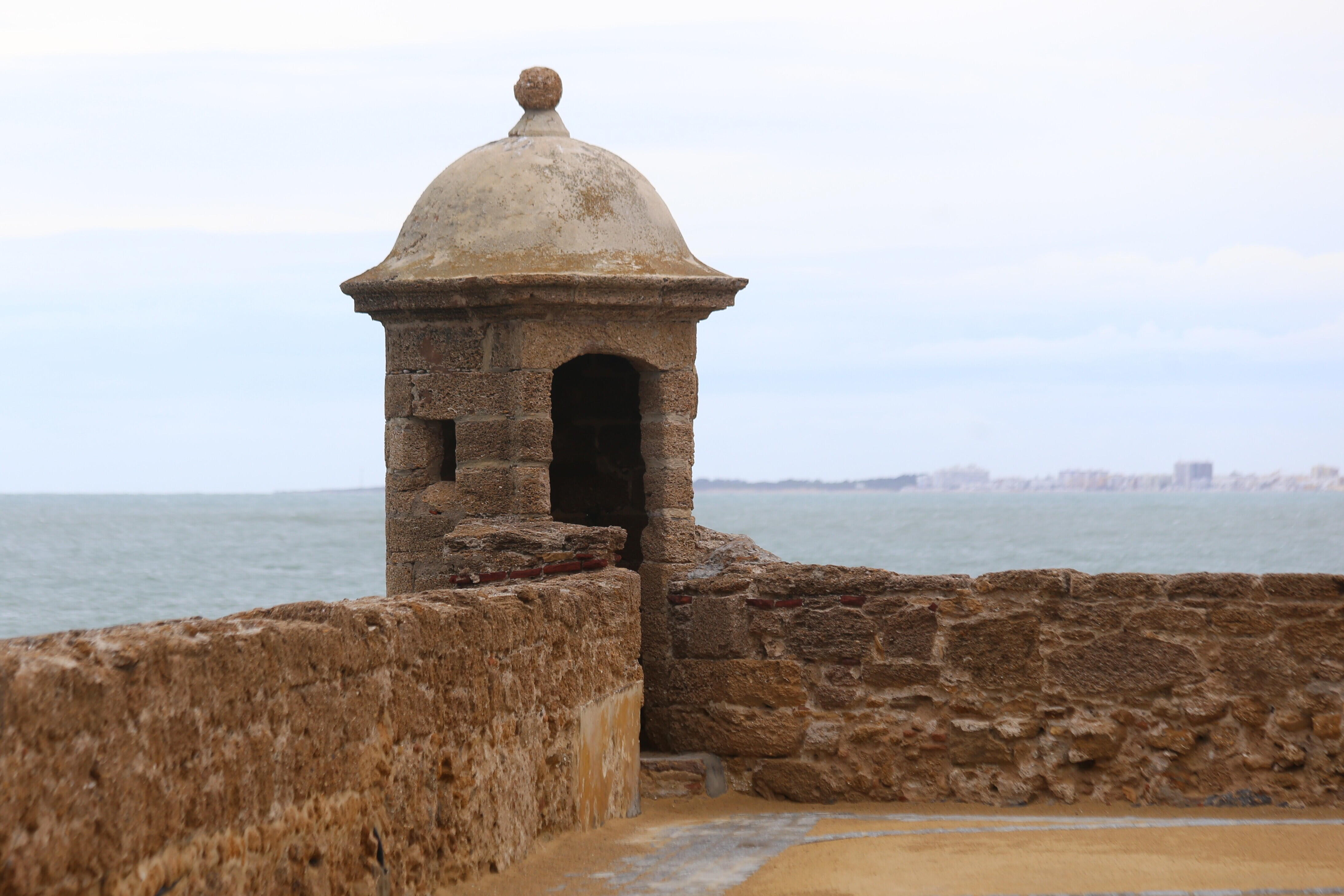
History of Castillo de Santa Catalina, Cadiz
At the end of the 16th century, Cadiz was Spain's main trading port on the Atlantic coast. It was here that ships from the American colonies arrived with cargo of gold and silver, its port warehouses were a transit point for Trans-Oceanic goods and raw materials. At the same time, the city, located on a long, narrow peninsula, did not have any serious protection, which Spain's competitors could not fail to take advantage of. In 1596, the Anglo-Dutch fleet under the command of the Earl of Essex launched a surprise attack on Cadiz.
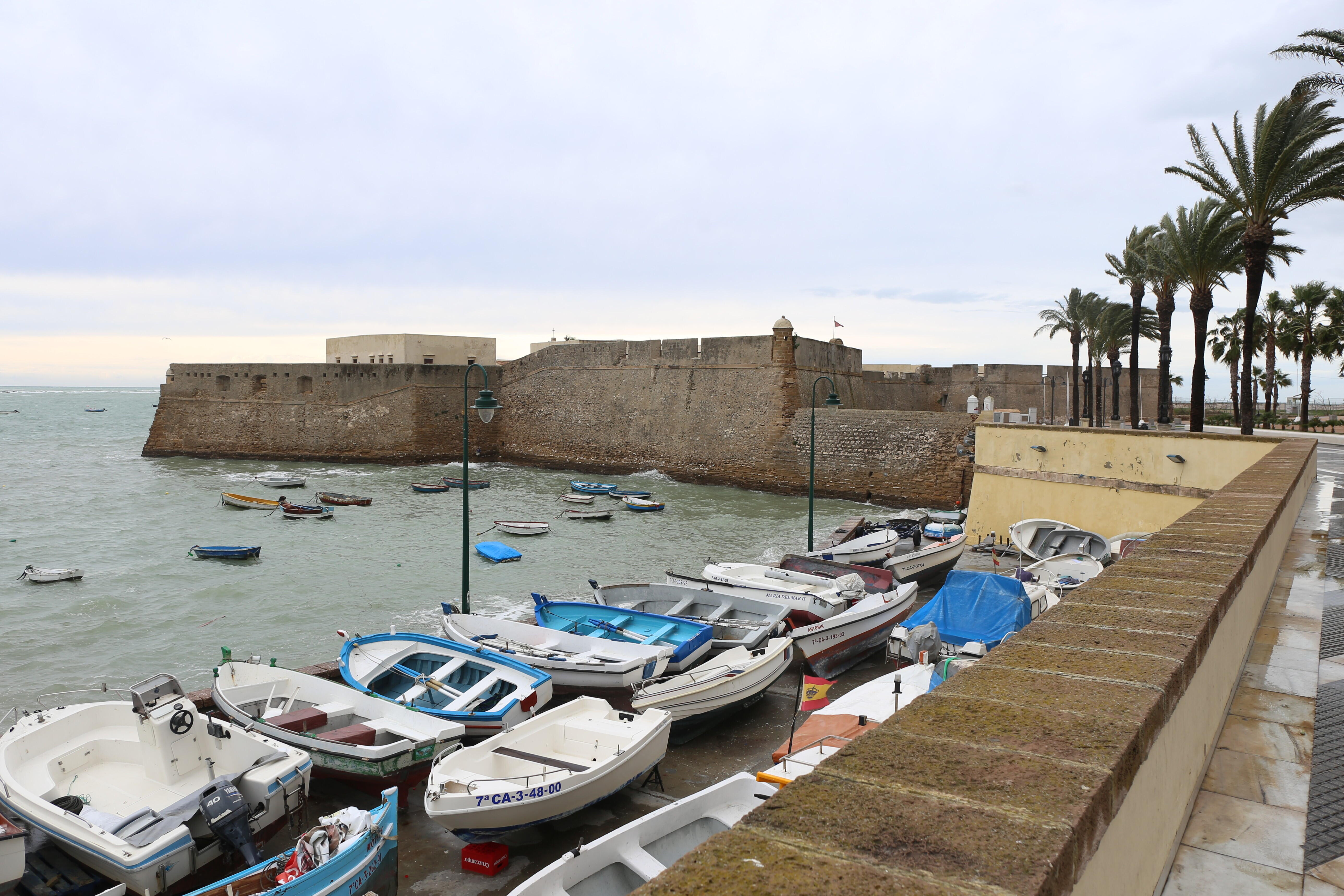
The city was looted and burned, and the Spanish merchant fleet lost many ocean-going ships, which were burned and captured in the port. After that, King Philip II of Spain decided to seriously strengthen the strategically important city and sent the famous military engineer Cristóbal de Rojas there.
Being a hereditary stonemason, Cristobal went from being a simple construction worker, where he gained a deep understanding of the construction business. Then he was Juan de Herrera's assistant in the construction of the royal monastery complex Escorial, engineering knowledge was transferred to him by the prominent Italian architect and fortifier in the Spanish service Tiburzio Spanocchi. It is the Italian engineering school that can be seen in the Cadiz fortress.
The crowning achievement of Cristobal de Rojo's work was the monumental work "Theory and Practice of Fortification" (Teoría y práctica de fortificación). This book was the first textbook on military engineering written in Spanish and a desktop guide for several generations of European fortress builders.
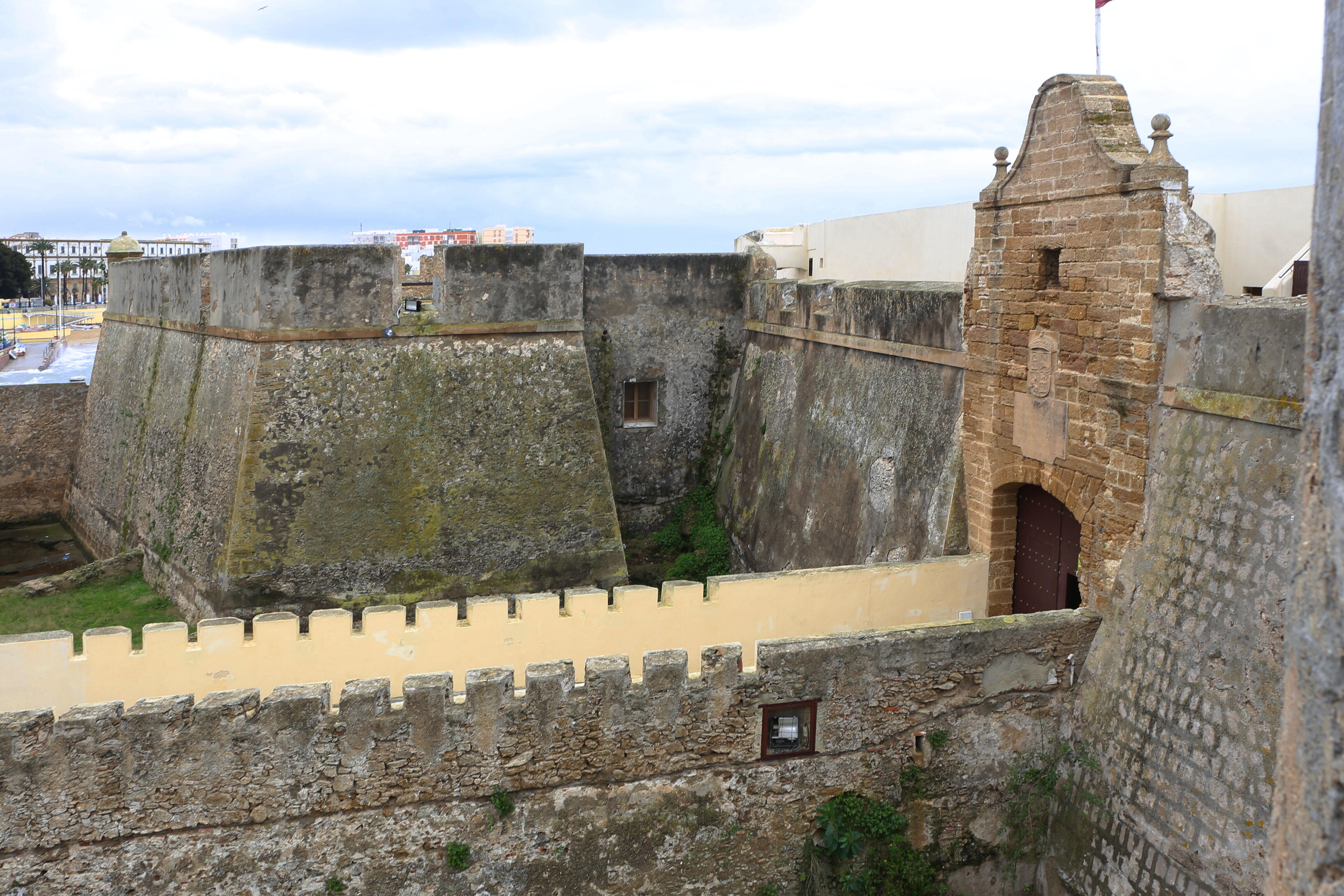
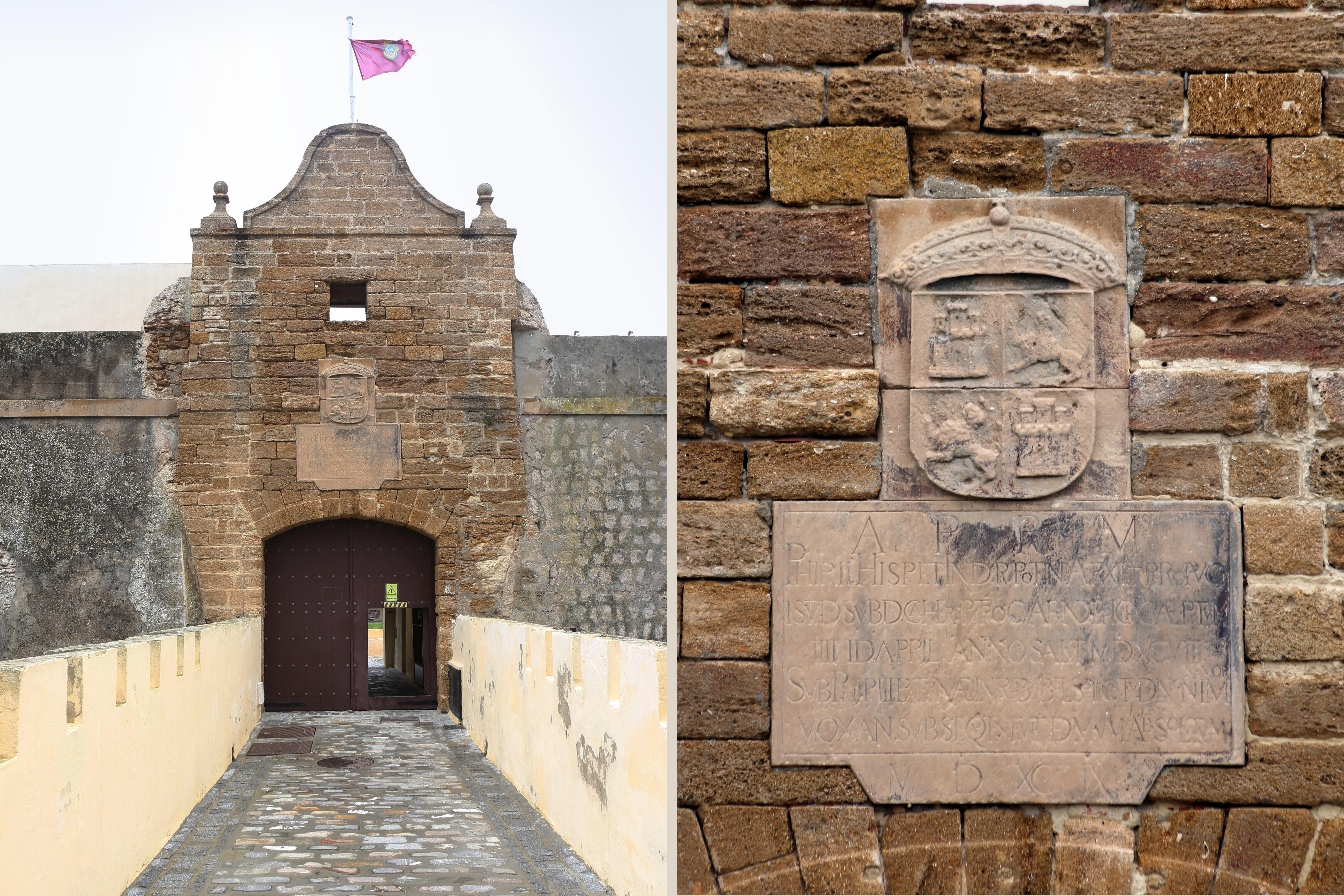
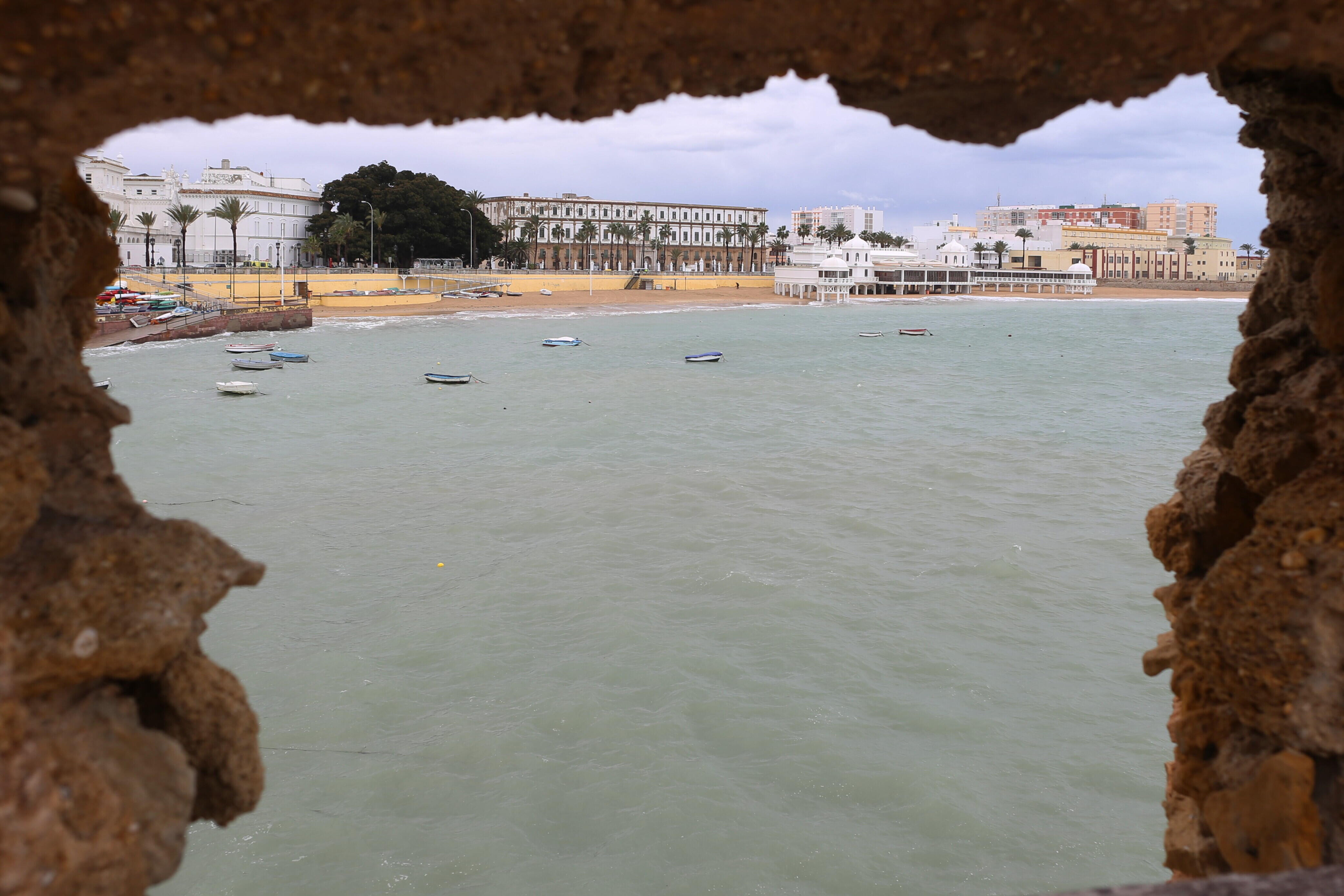
The most vulnerable part of the coast was the gently sloping sandy beach at the southwestern tip of the city (now La Caleta Beach), where the troops landed. To protect this site on a rocky promontory, construction of a fortress began in 1698.
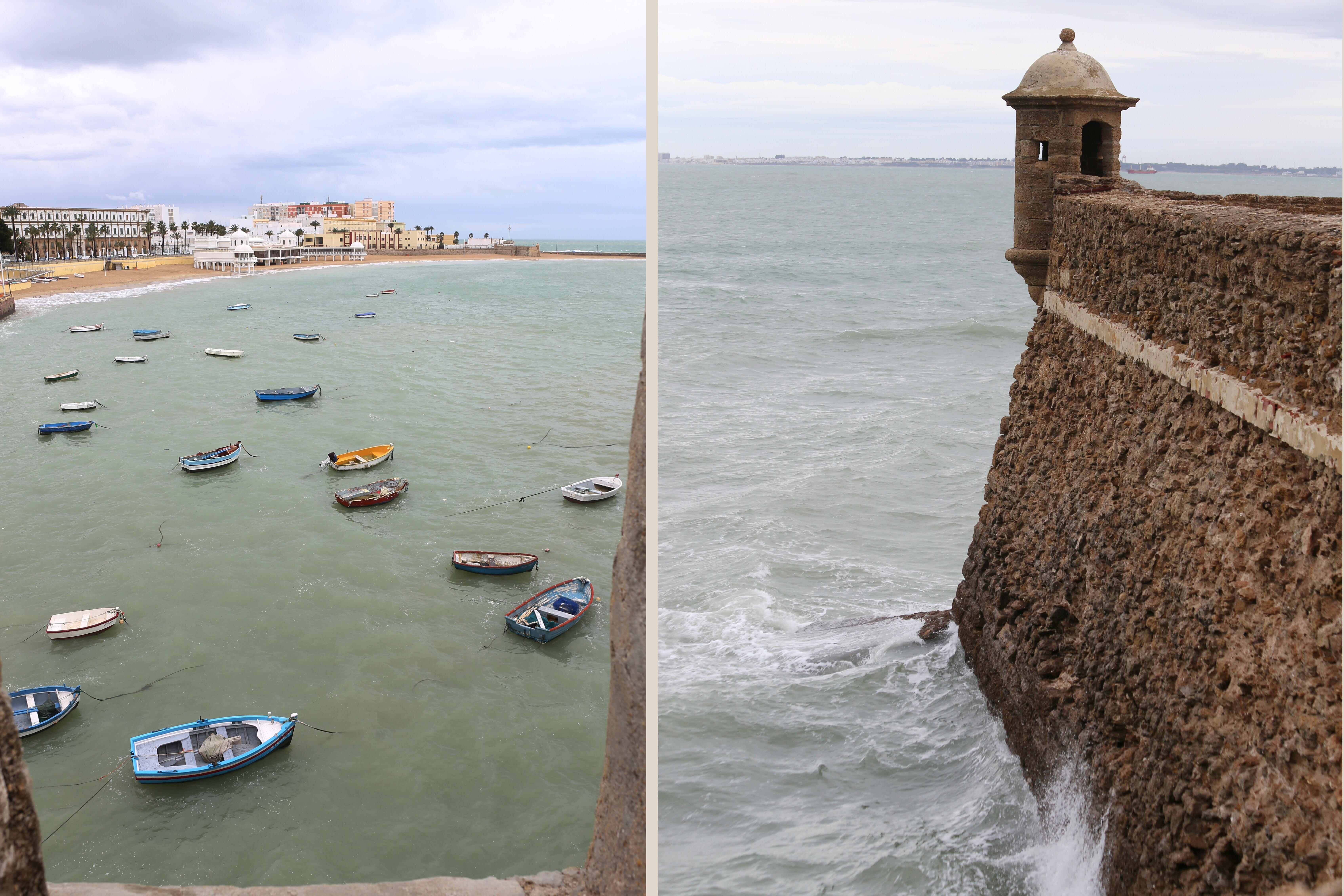
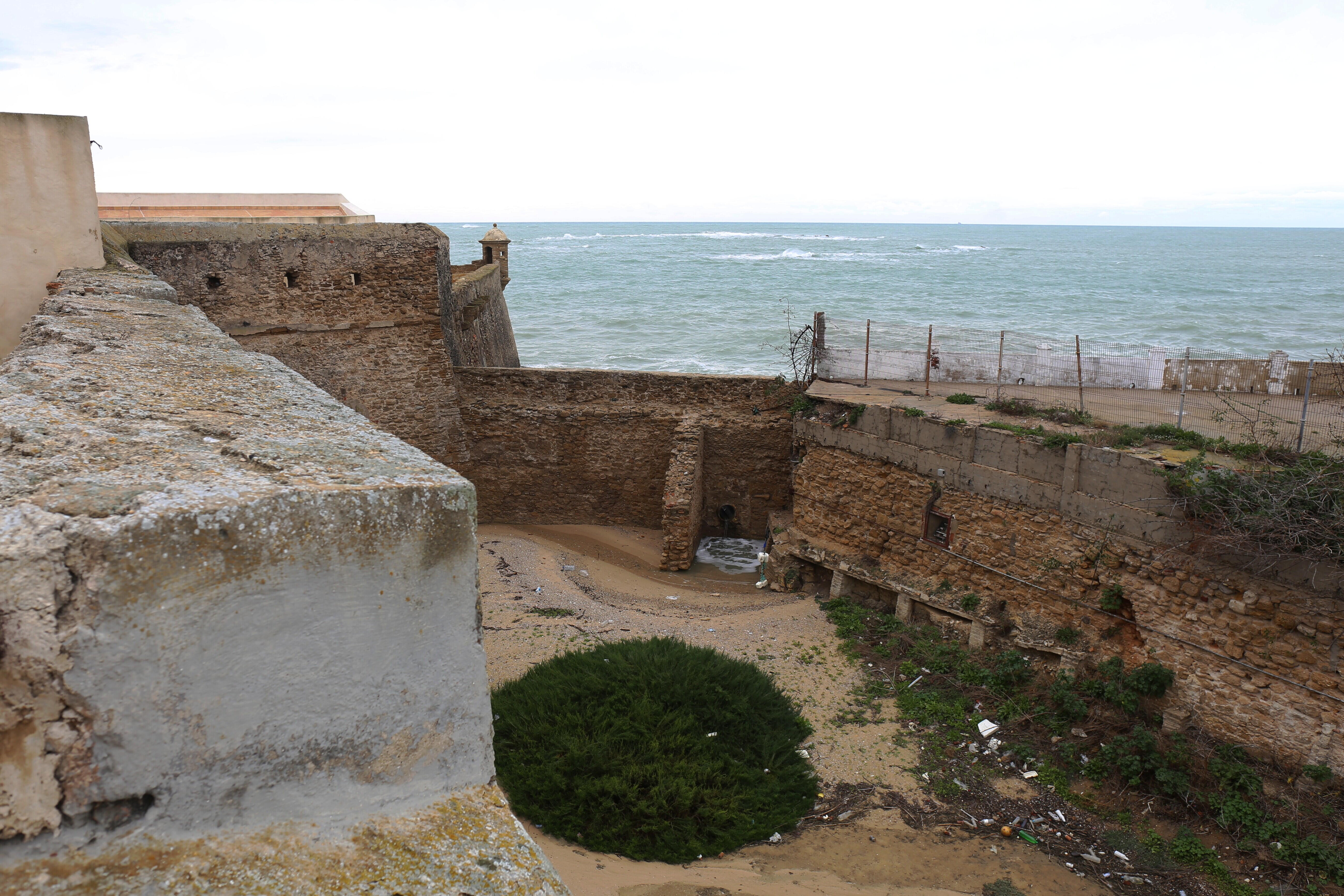
The engineer designed an advanced system of bastions in the shape of a five-pointed star, which eliminated blind spots for artillery, allowing firing along the walls. On the mainland side, the castle was protected by a deep moat with a drawbridge.
Cristobal de Rojas died in Cadiz in 1614, leaving behind a system of bastions that successfully performed its functions for two centuries. Seeing the well-protected gun batteries, the enemy fleets no longer risked storming Cadiz.
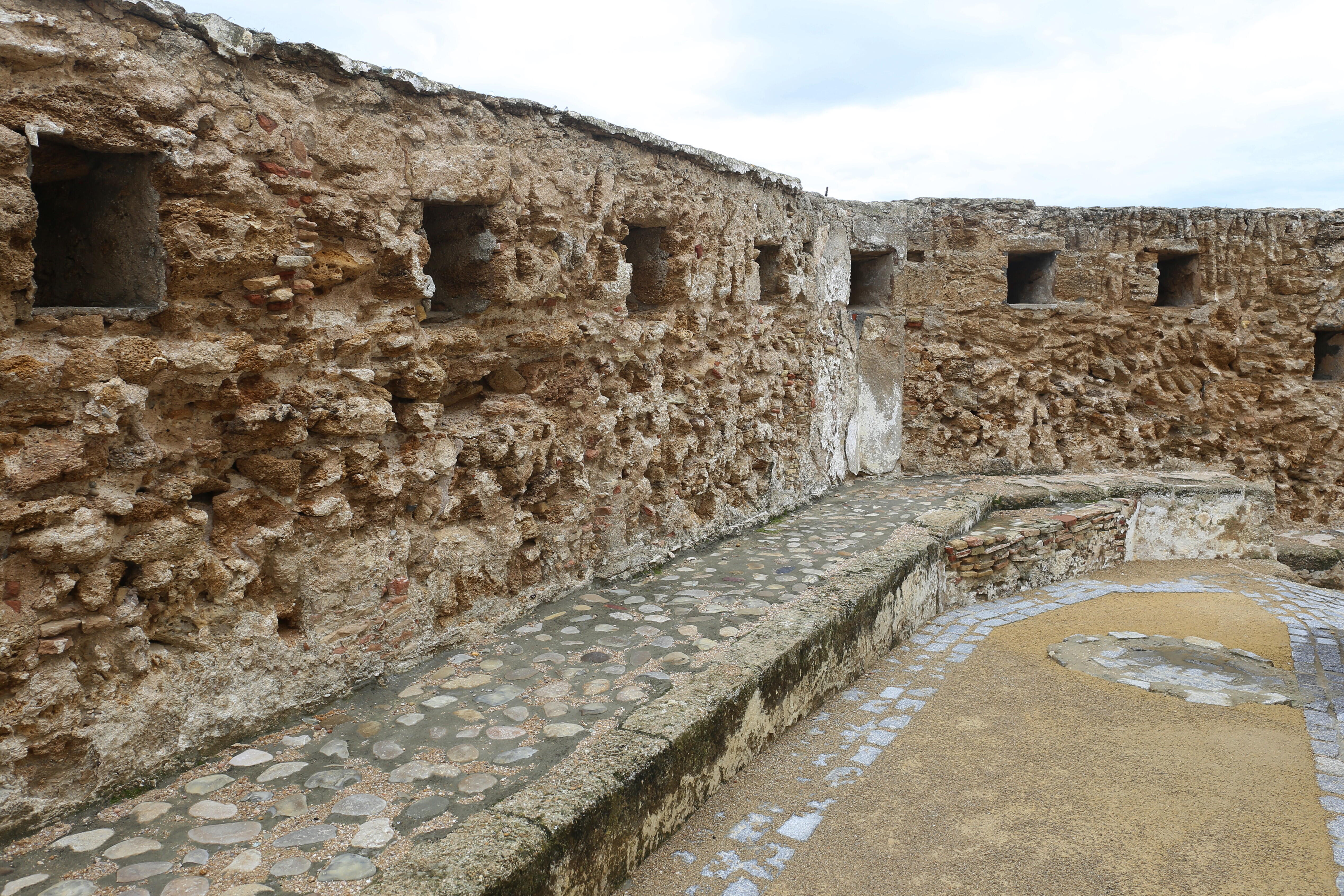
After the death of the outstanding engineer, the fortress continued to expand, and full-fledged barracks, food depots, and powder magazines appeared inside the bastions. In 1693, Charles II ordered the construction of the Chapel of Santa Catalina de Austria in the courtyard of the fortress.
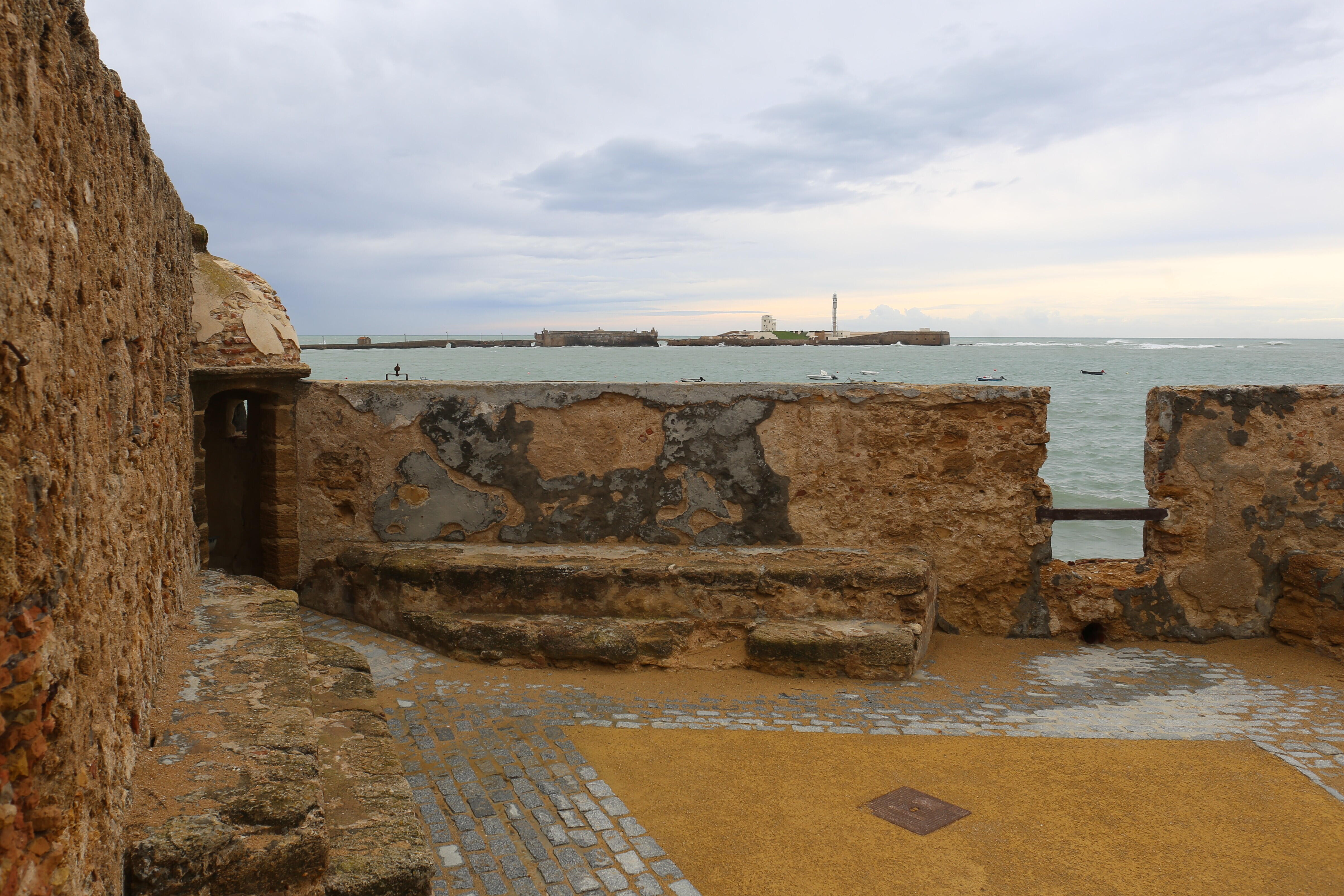
In the second half of the 18th century, the fortress began to perform another function: in 1769, King Charles III ordered the construction of a prison in the fortress. High walls and a moat made escape from here almost impossible. For the next two centuries, the casemates of Santa Catalina housed high-ranking military officials, state conspirators, and political prisoners.
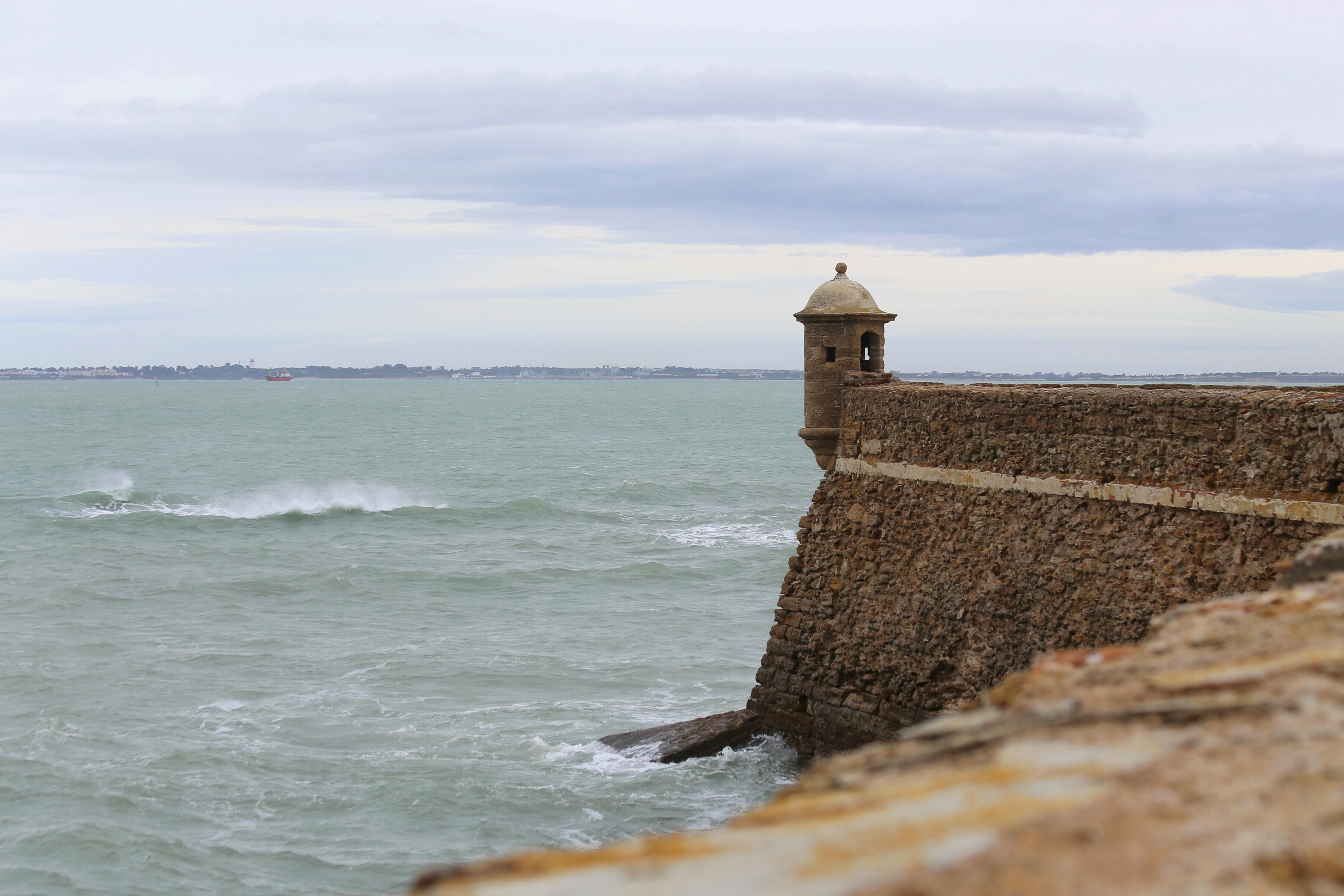
The castle maintained its status as a closed military facility and prison for an incredibly long time, having survived the Spanish Civil War and the Franco regime. In 1991, the military transferred the fortress to the jurisdiction of the city authorities, in 1993 the object received the official status of a monument to the history and culture of Spain (Bien de Interés Cultural).
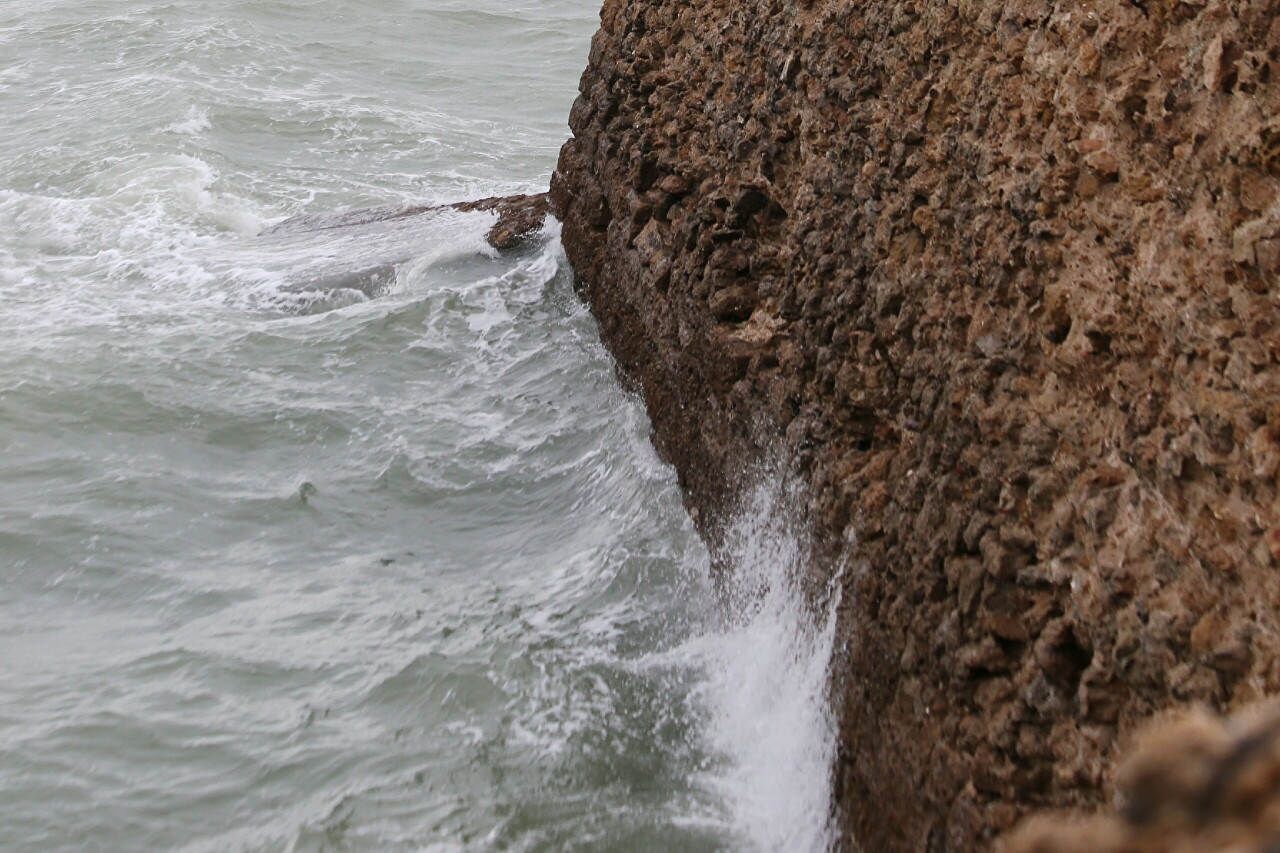
Due to the fact that the fortress has never been subjected to direct destructive artillery attacks, it has survived to this day in almost pristine condition. After the reconstruction, the fortress was turned into a public space: the ancient casemates and barracks now house exhibition halls and a museum of the fortress' history.