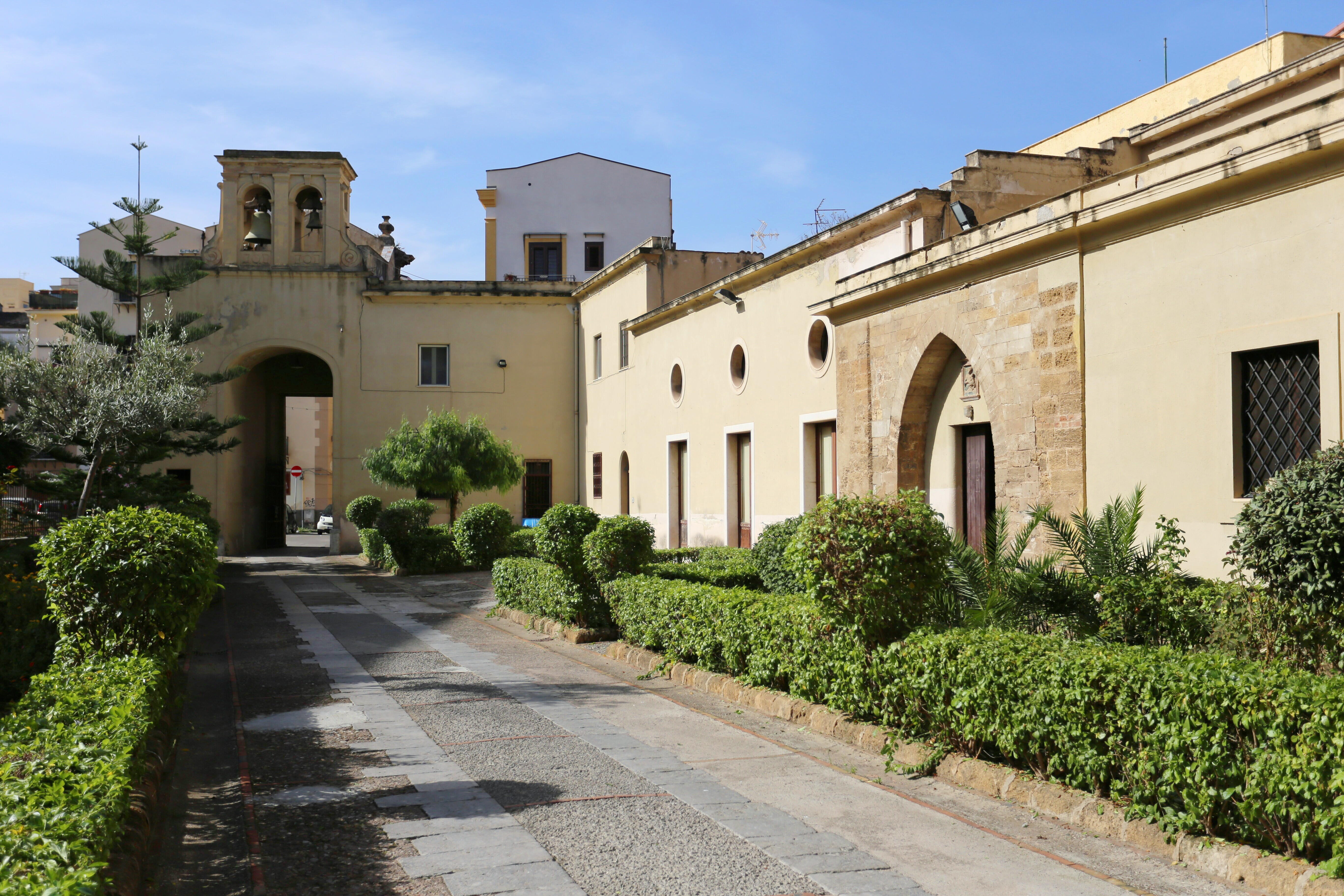
Basilica della Santissima Trinità o della Magione, Palermo
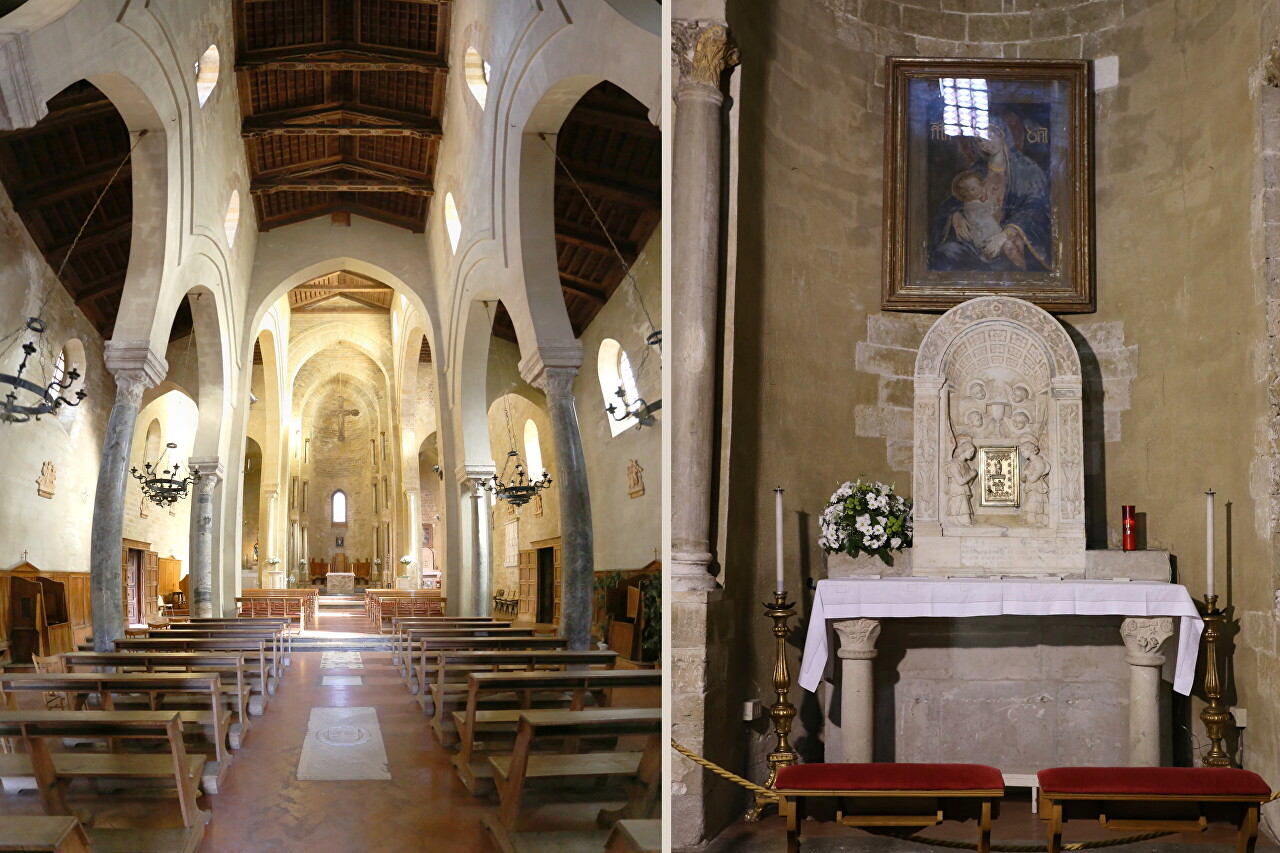
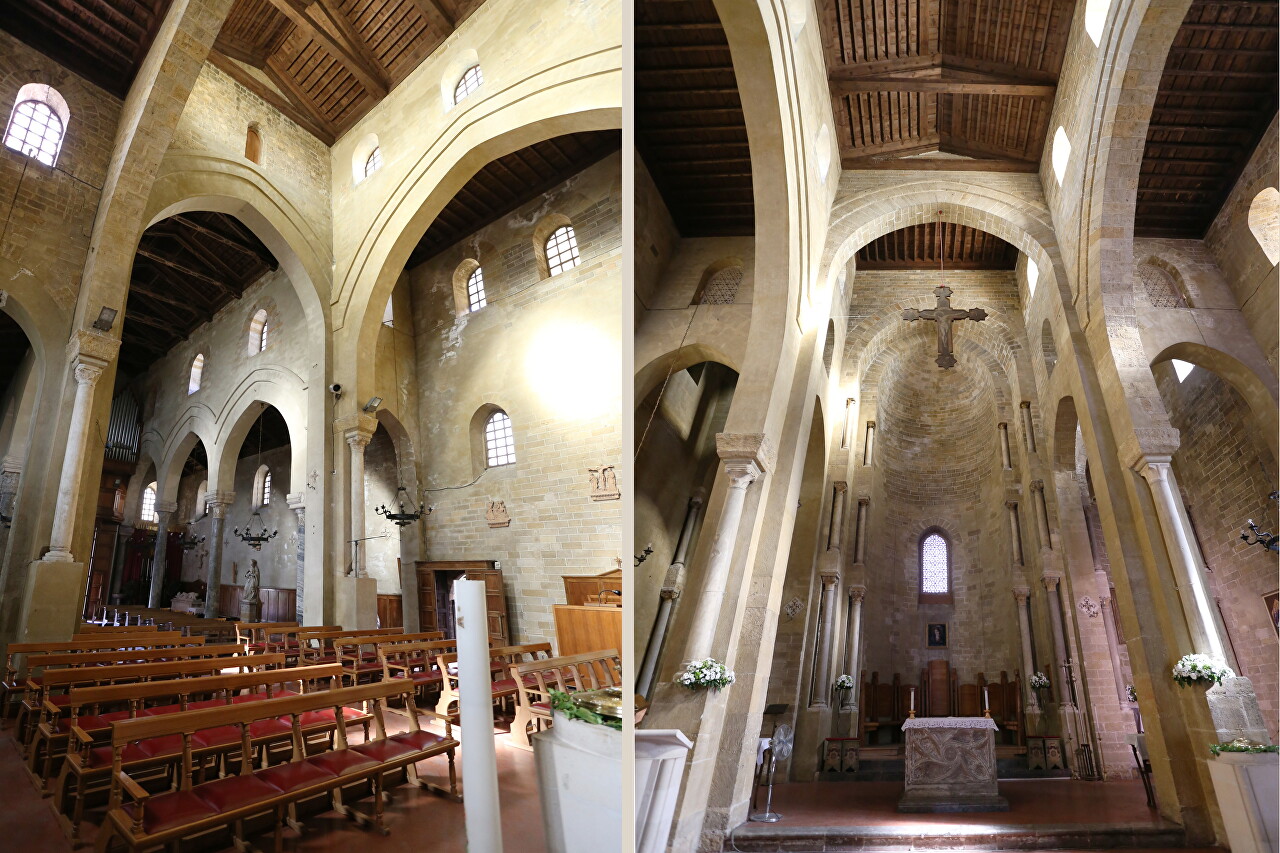
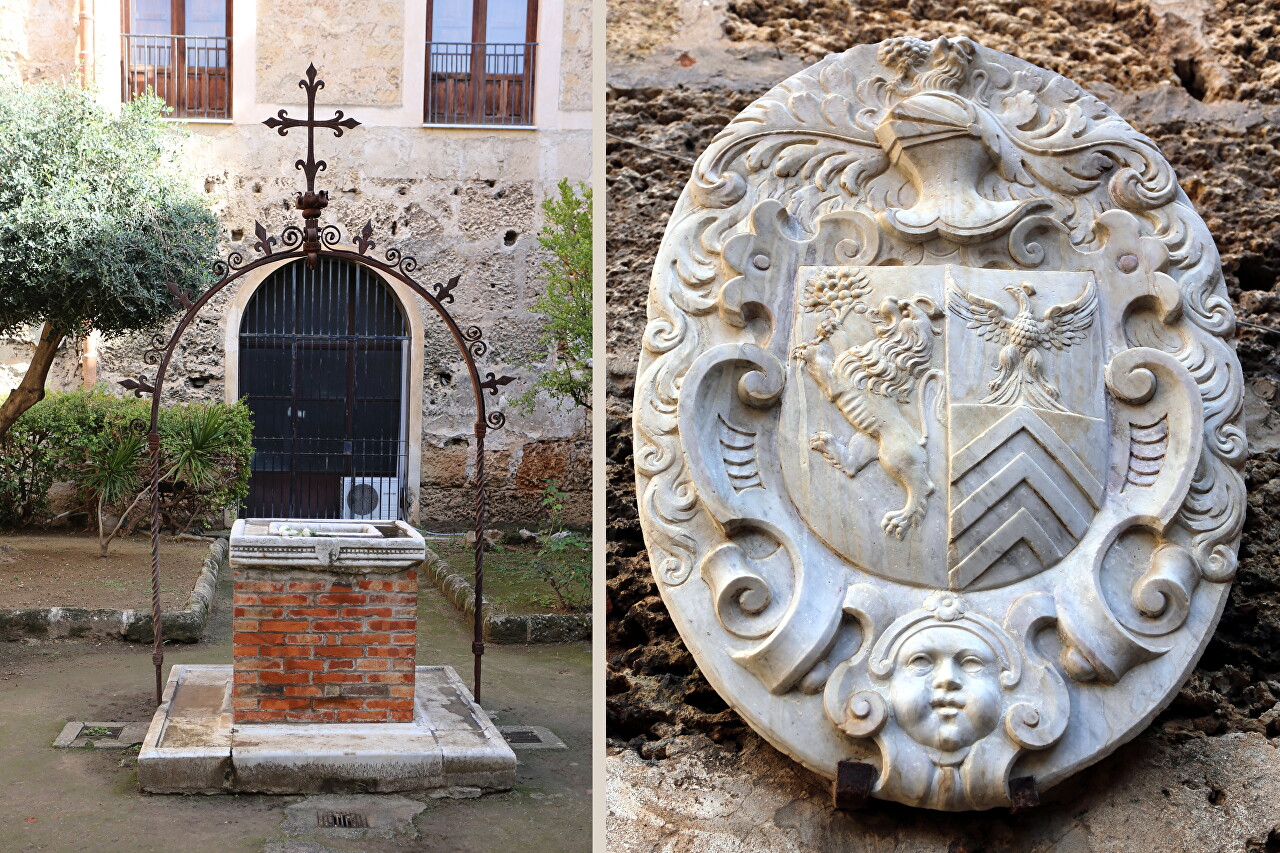
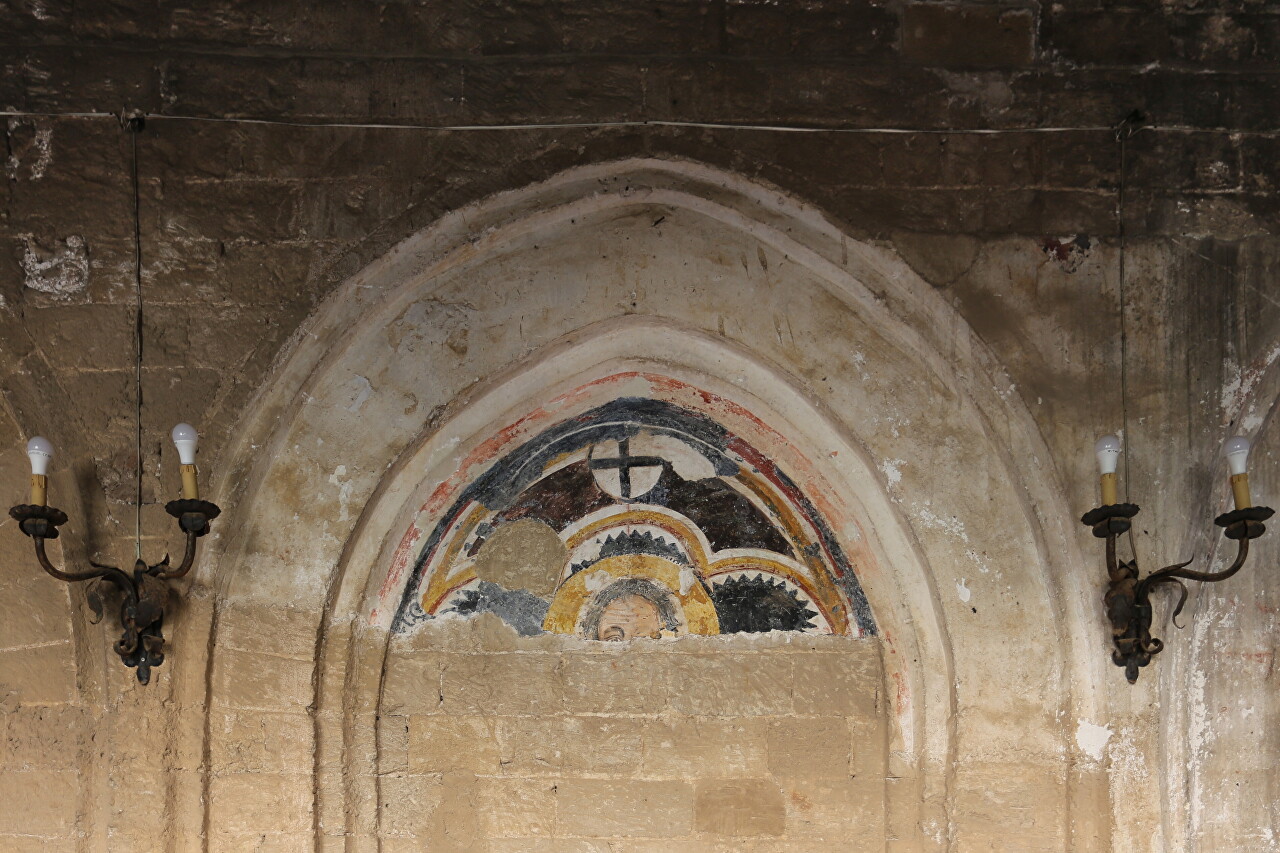
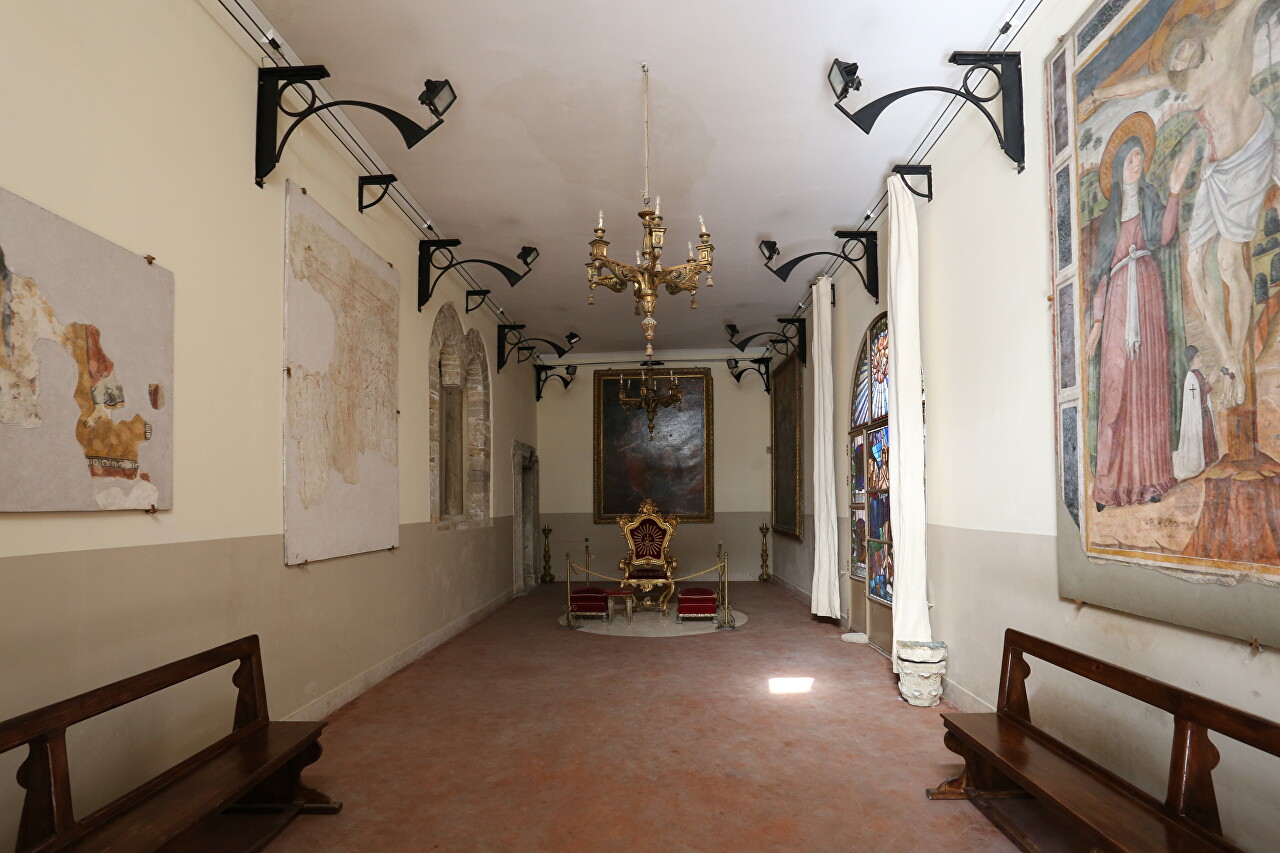
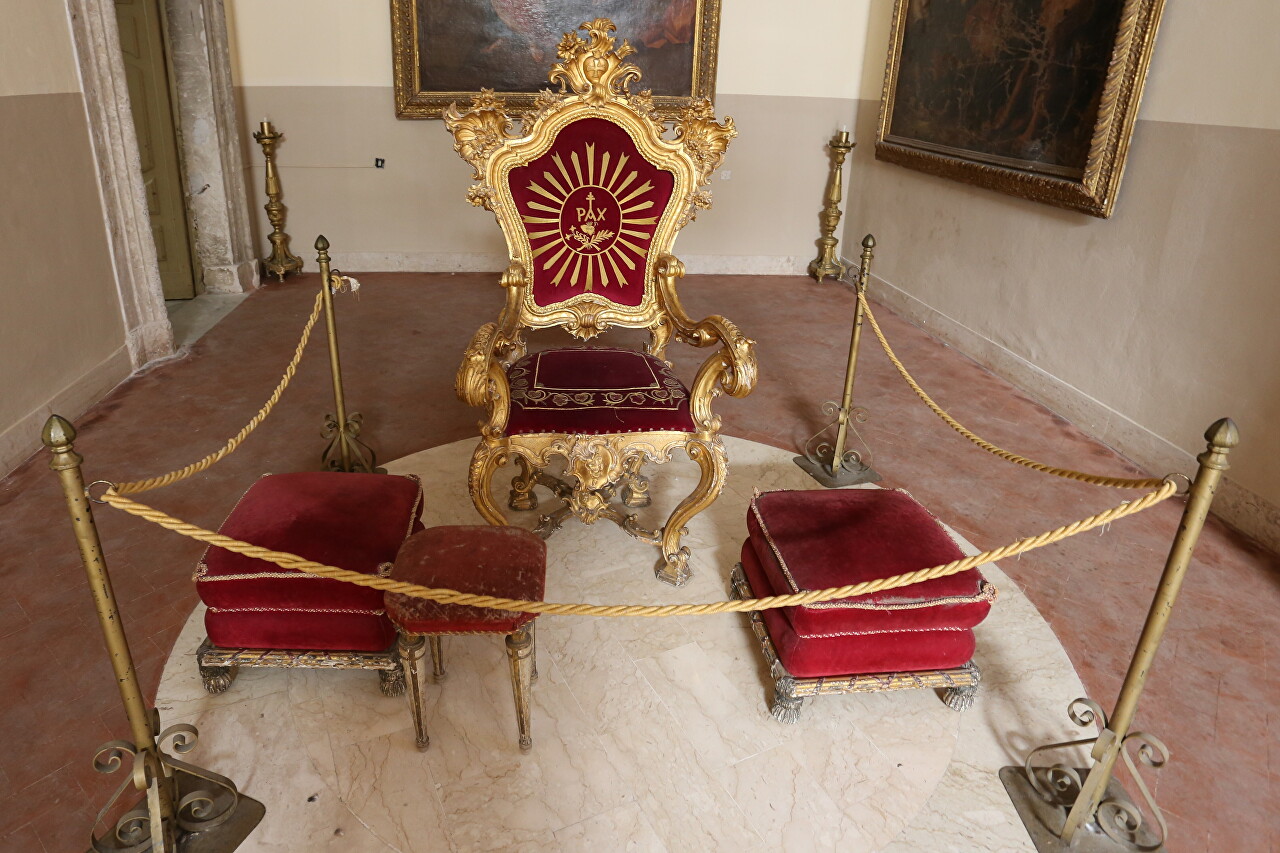
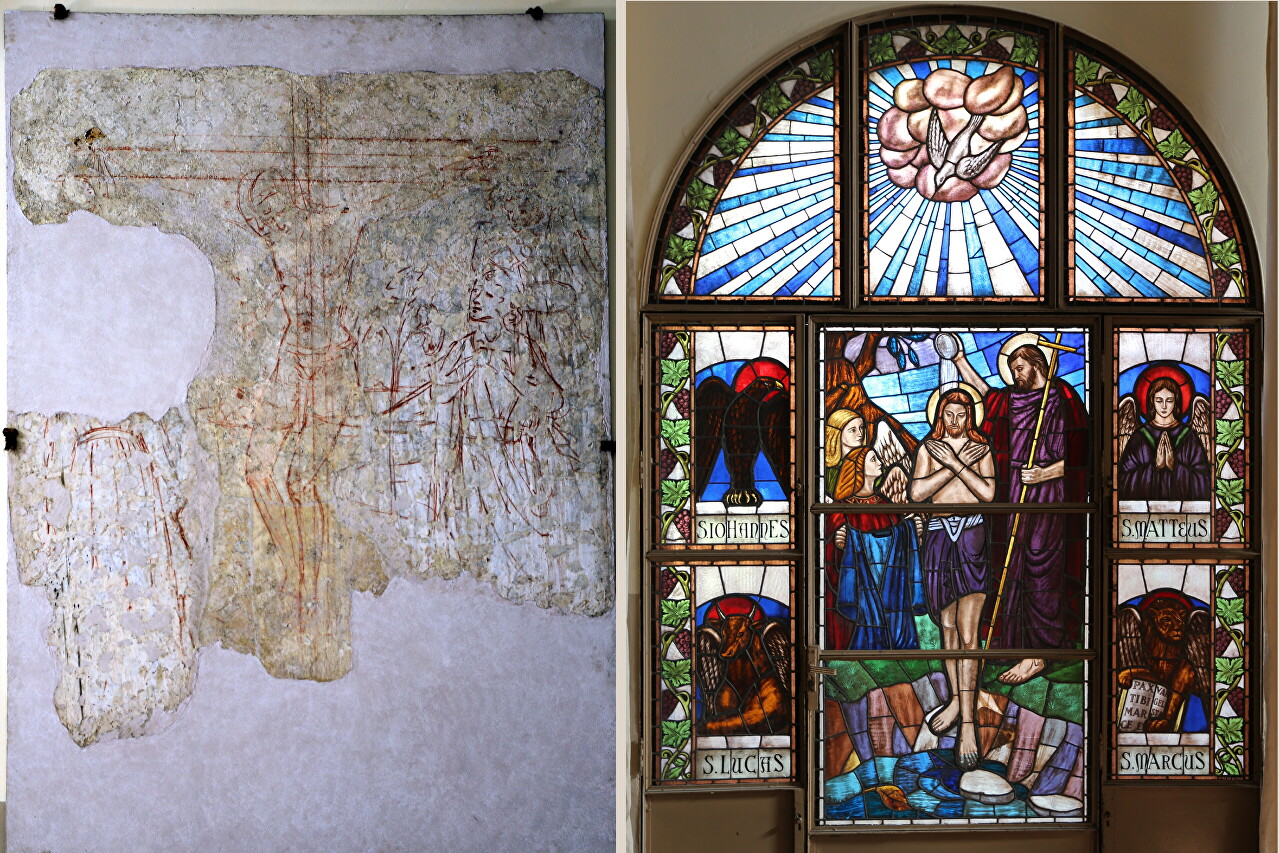
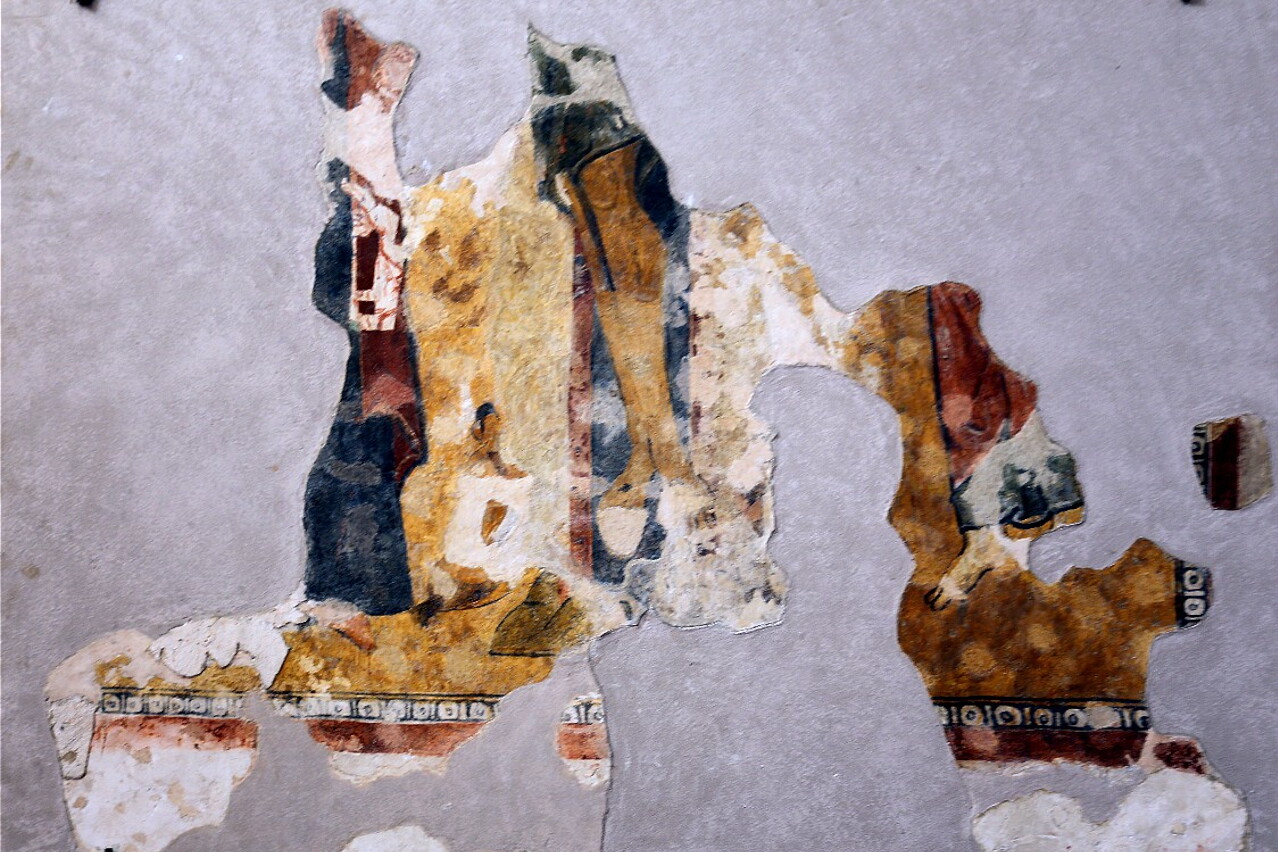
The history of the church spans more than eight centuries and began in 1191, during the era of the Norman Hauteville dynasty. The church was originally built as part of a Cistercian monastery. The construction was initiated by the Chancellor (Head of Government) The Norman kingdom of Matteo Daello, which explains the last word in its name (del Cancelliere - from the Chancellor). In 1194, the Sicilian king Tancred chose this cathedral for the burial of his eldest son Roger, and then in 1194 he himself was buried in the walls of La Maggiore. Thus, the church acquired importance as a royal tomb. However, already in 1197, the Holy Roman Emperor Henry Vi of Hohenstaufen conquered Sicily, expelled the monks and plundered the tombs. The monastery was transferred to the Teutonic Order and became its main residence in Sicily, which was called Mansio, which means monastery in Latin. Gradually, in the Sicilian dialect, this name was transformed into Magione. For more than three centuries, the knights used the complex as a base for pilgrims traveling to the Holy Lands. There was also a large hospital for wounded knights. The church was again used as a tomb, and now the tombstones of the Teutons can be seen in the floor. In 1492, Pope Innocent Viii took the monastery from the Teutons and handed it over to the secular commendators (Latin commenda - transfer for safekeeping), in fact, to his entourage for personal enrichment. The new owners lived in Rome and were not even spiritual people. Local priests were hired for worship services. The monastery as such ceased to exist. It housed the officials who managed the vast possessions of the commendators throughout Sicily. Part of the premises was converted into a luxurious residence, where the commendators stayed during their visits. It was during this period that changes were made to the harsh Norman architecture: windows were cut through the walls of the basilica, side chapels were added, and the strict Norman murals on the walls were covered with plaster. Under the Bourbons, the church changed its status again: in 1782, King Ferdinand III transferred the complex to the Royal Order of Constantine, and the church received the status of a royal chapel. At that time, the interiors were decorated in the neoclassical style and a luxurious Baroque portal was built, which I will tell you about separately. In this form, the church existed until the middle of the 20th century, until it was destroyed in 1943 during the bombing of Palermo by Allied air force. In the post-war years, Italian restorers removed the plaster and restored the basilica to its ascetic appearance of the 12th century.
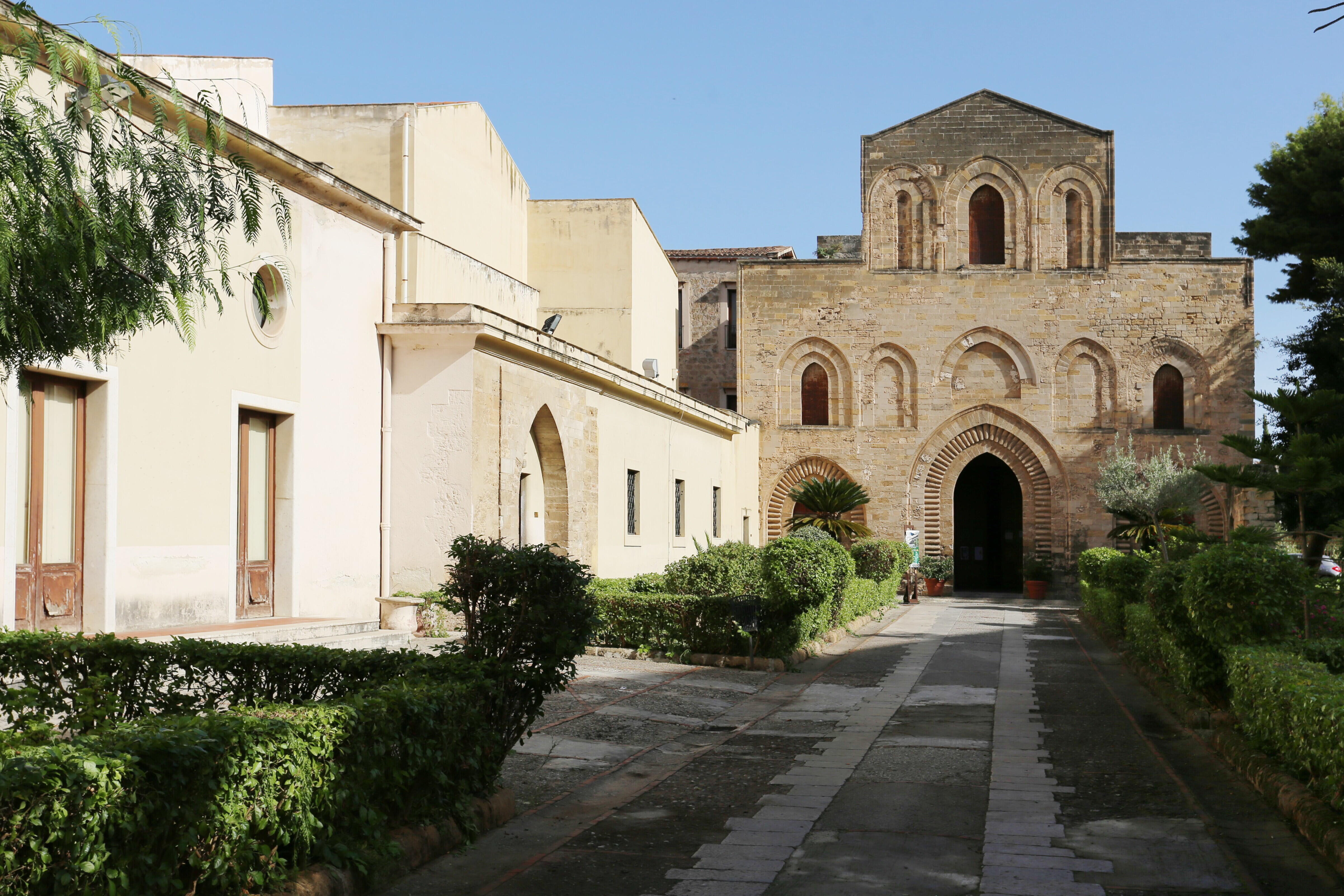
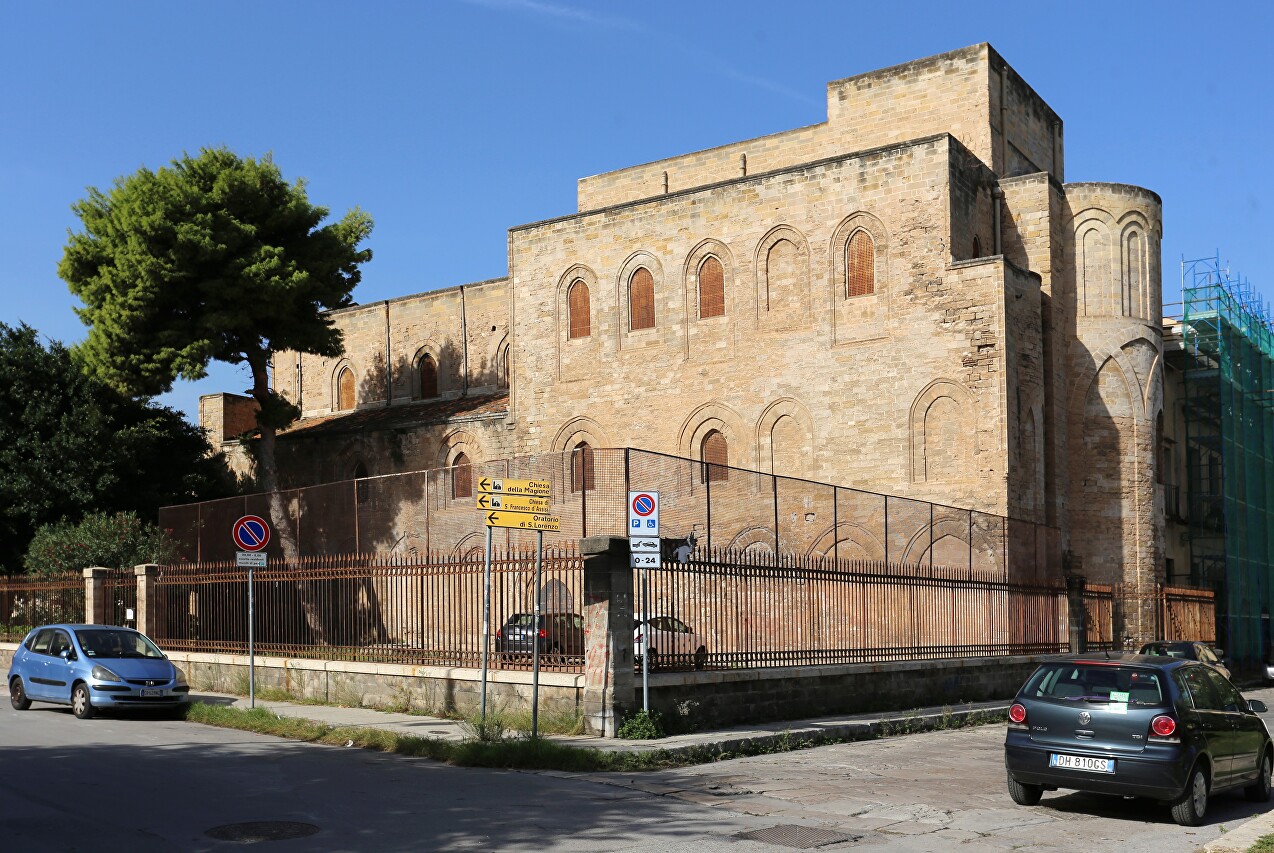
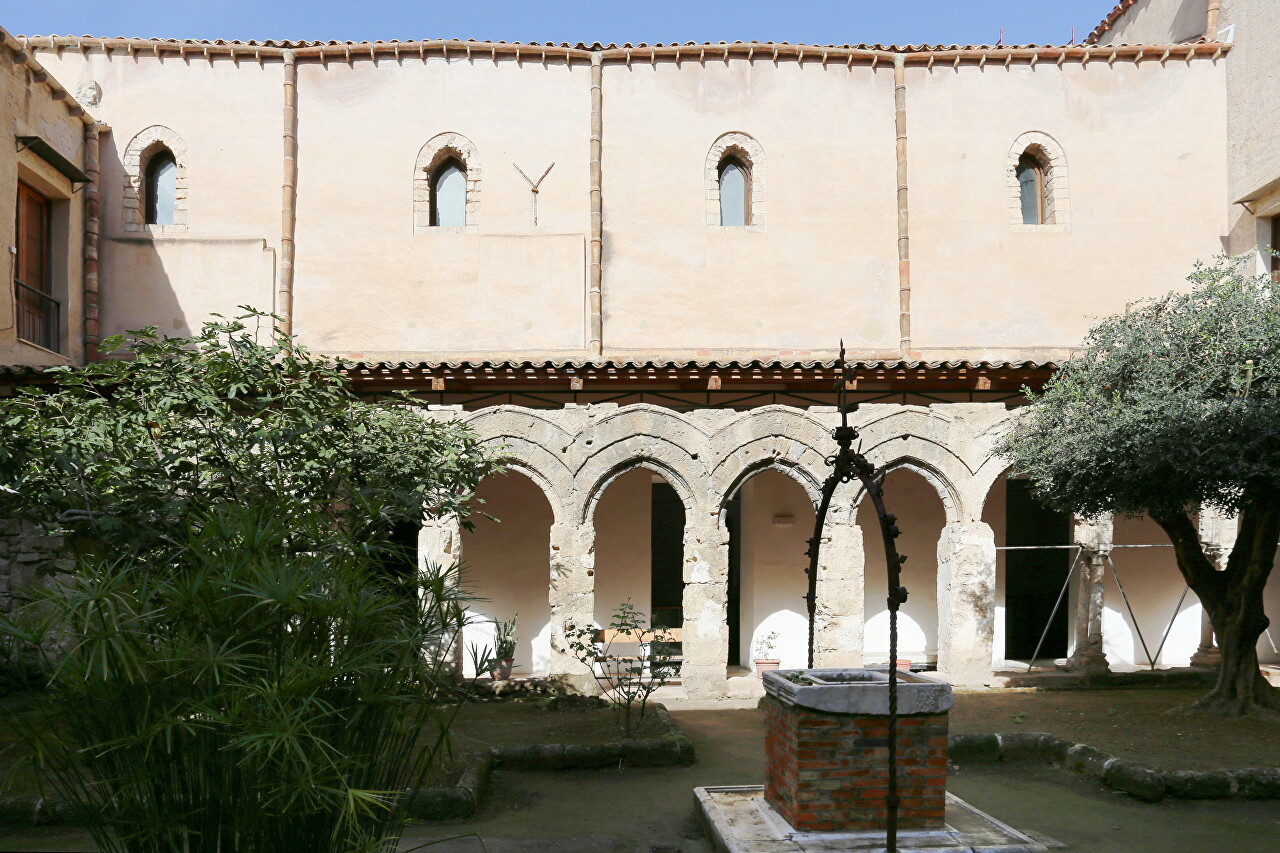
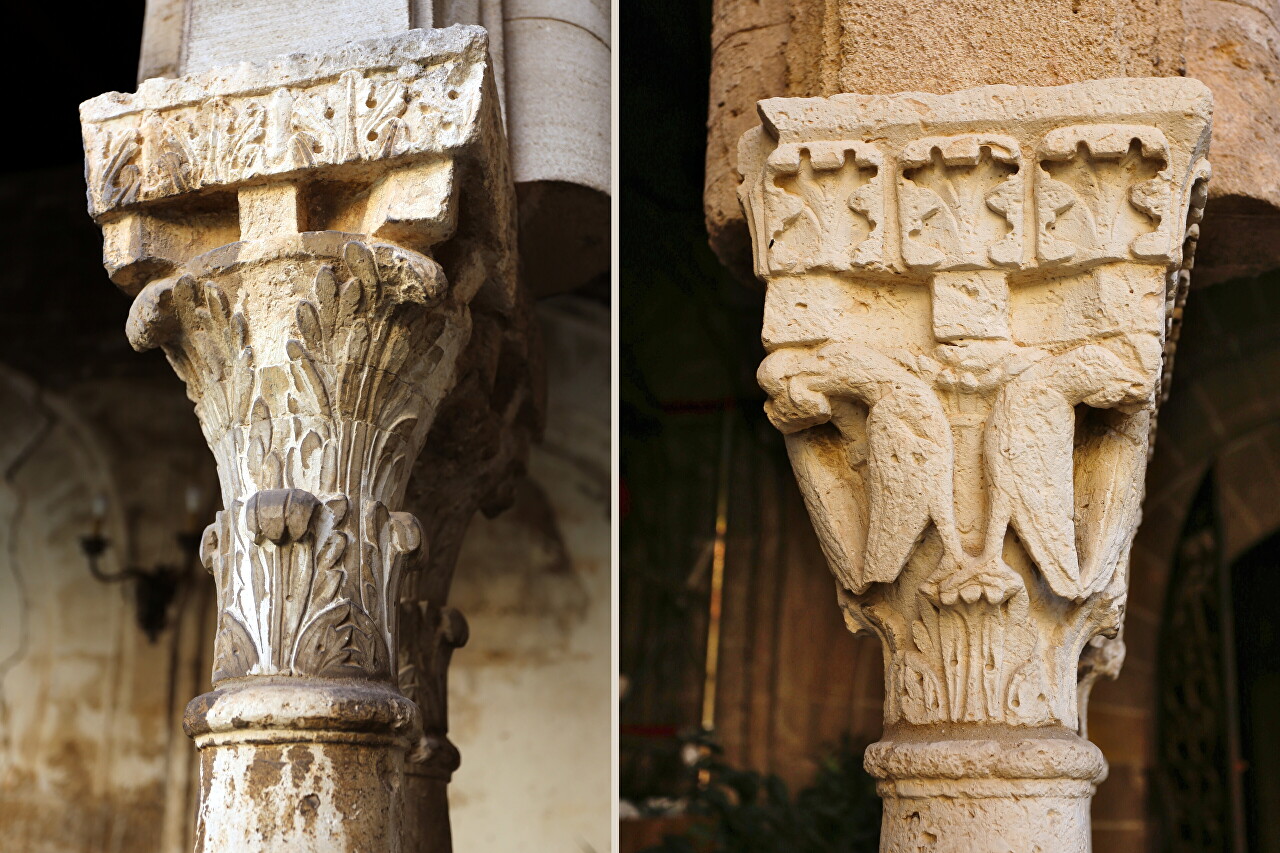
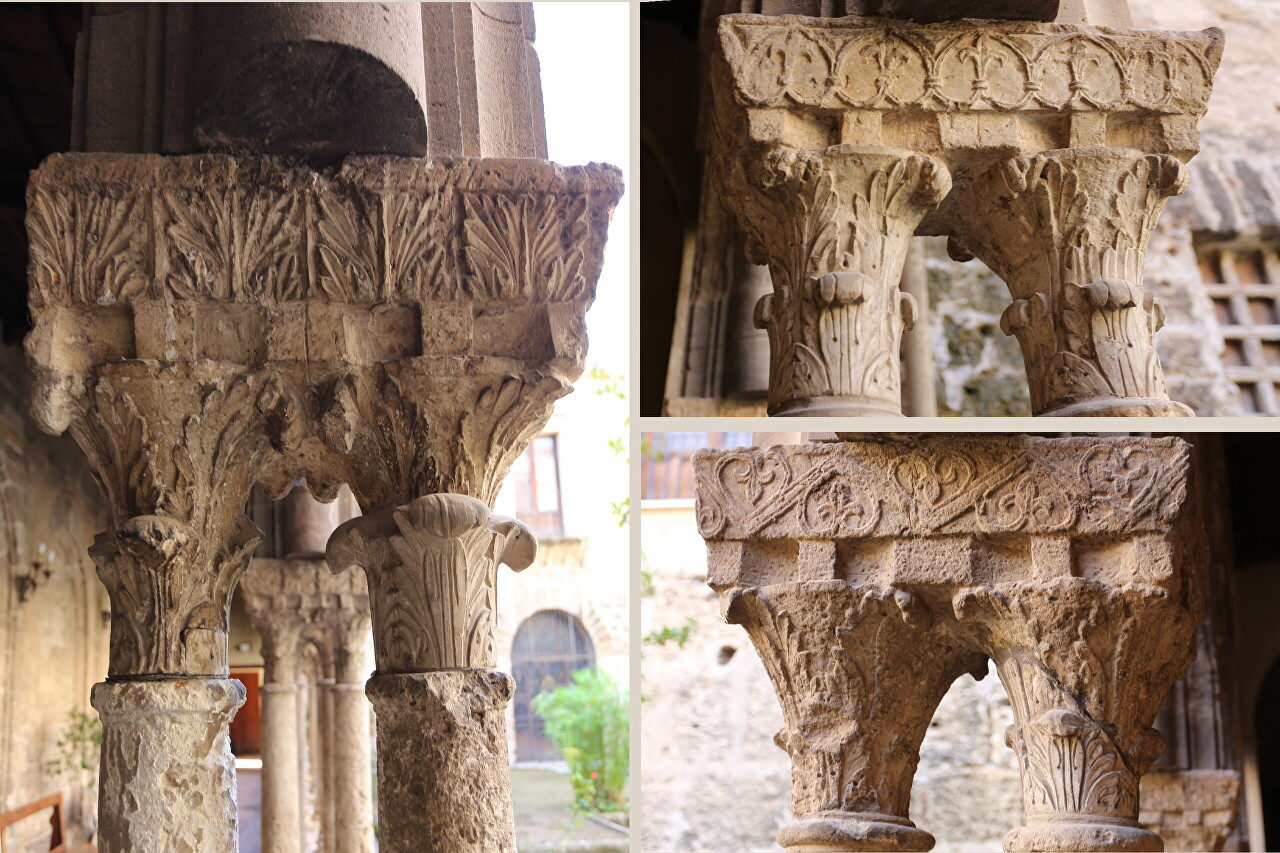
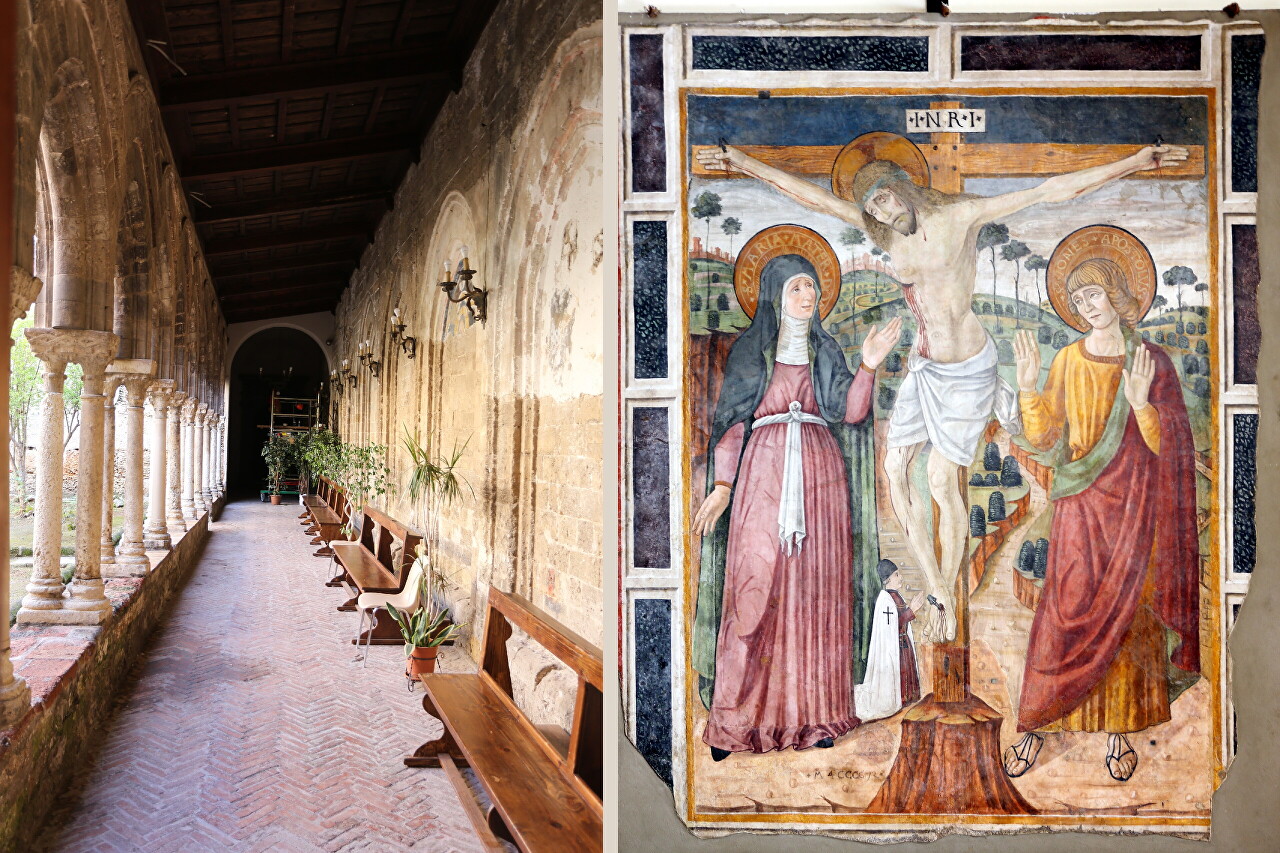
A few words about the architecture that the restorers decided to preserve: this style is called Arab-Norman. Before the arrival of Christians, Arabic architecture prevailed in Sicily, and local builders were involved in the construction of the basilica. Today, the church features elements typical of Muslim buildings in North Africa and the Middle East: tall, slightly pointed arches, crisscrossing false arches, and subtle geometric reliefs. The European school is represented by a layout in the form of a classical Latin cross with three naves and rows of Romanesque columns separating the halls and galleries of the courtyard (cloister).
The basilica is located on the street with the same name (Via Magione, 44), in the very center of the historical part, in the Kalsa district. The Piazza Magione is often referred to on the Internet as a landmark, but only the rear wall of the basilica goes there. From the Central Station, go along Via Roma, turn right onto Via Goriza at the third corner, turn left onto Via Giuseppe Garibaldi, and around the next corner begins Via Magione, and a block later you will see a monumental portal leading to the church. The complex is open daily from 09: 30 to 18: 30, you can visit the church for free, a ticket to the cloister and chapel costs about 4 euros.
..
..
..
..
..
..

..
..
..
..
..
..
..
..
..