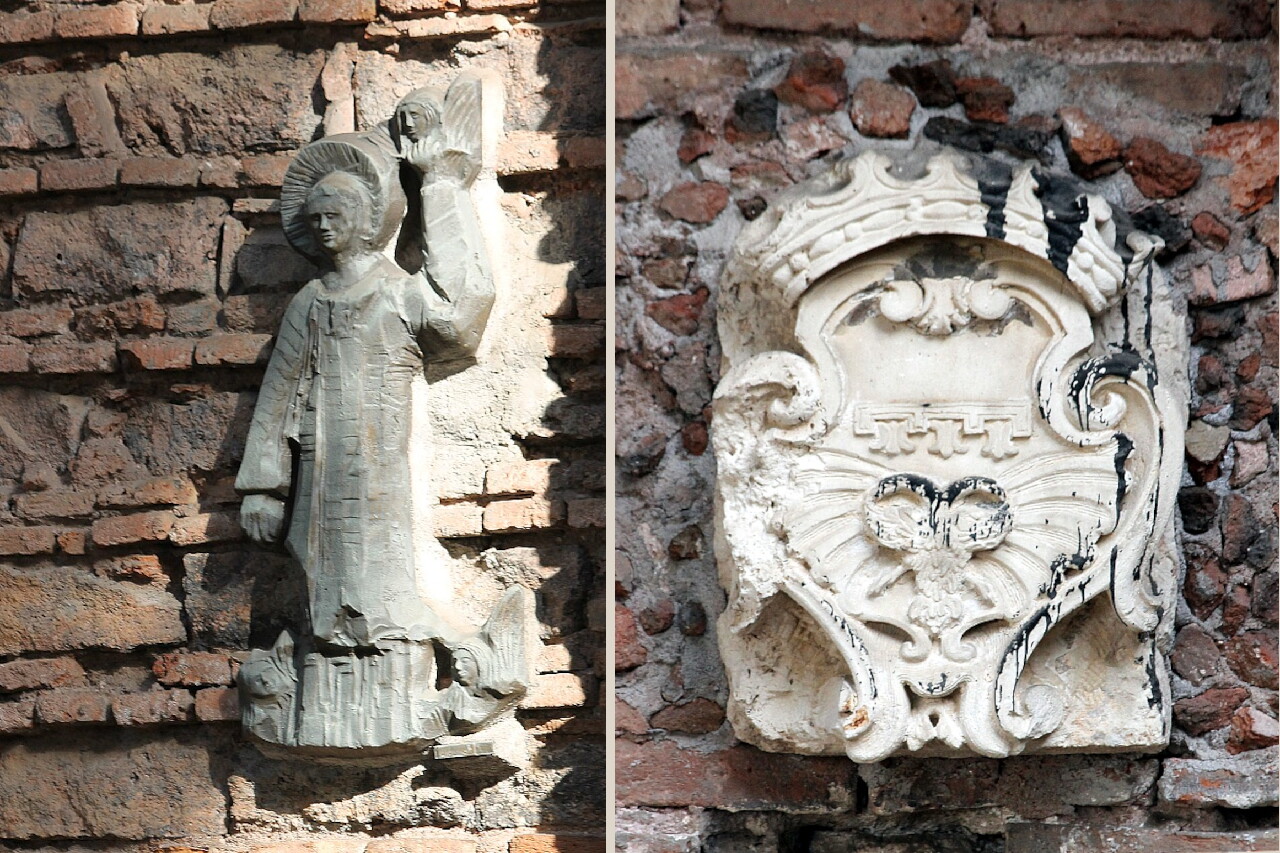
Church of St.Euplio Ruins, Catania
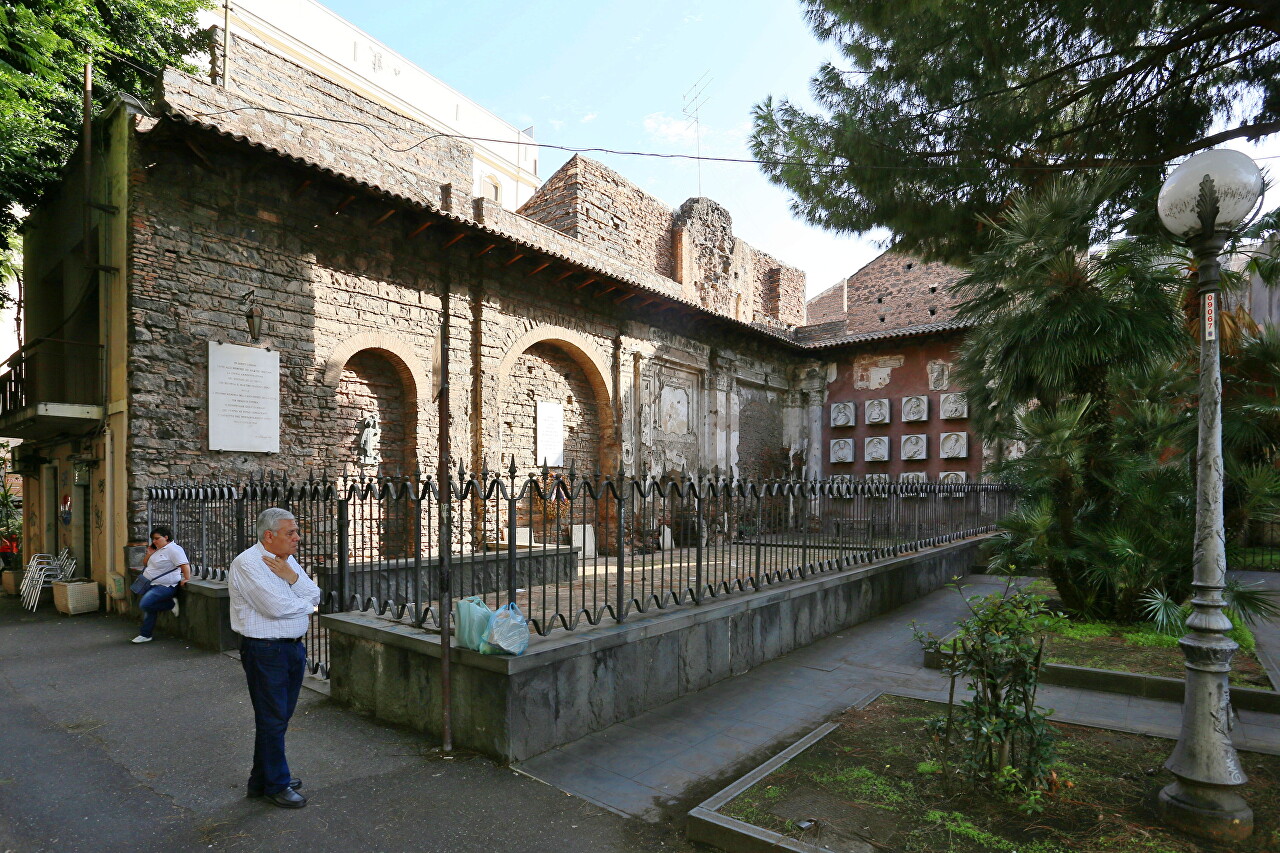
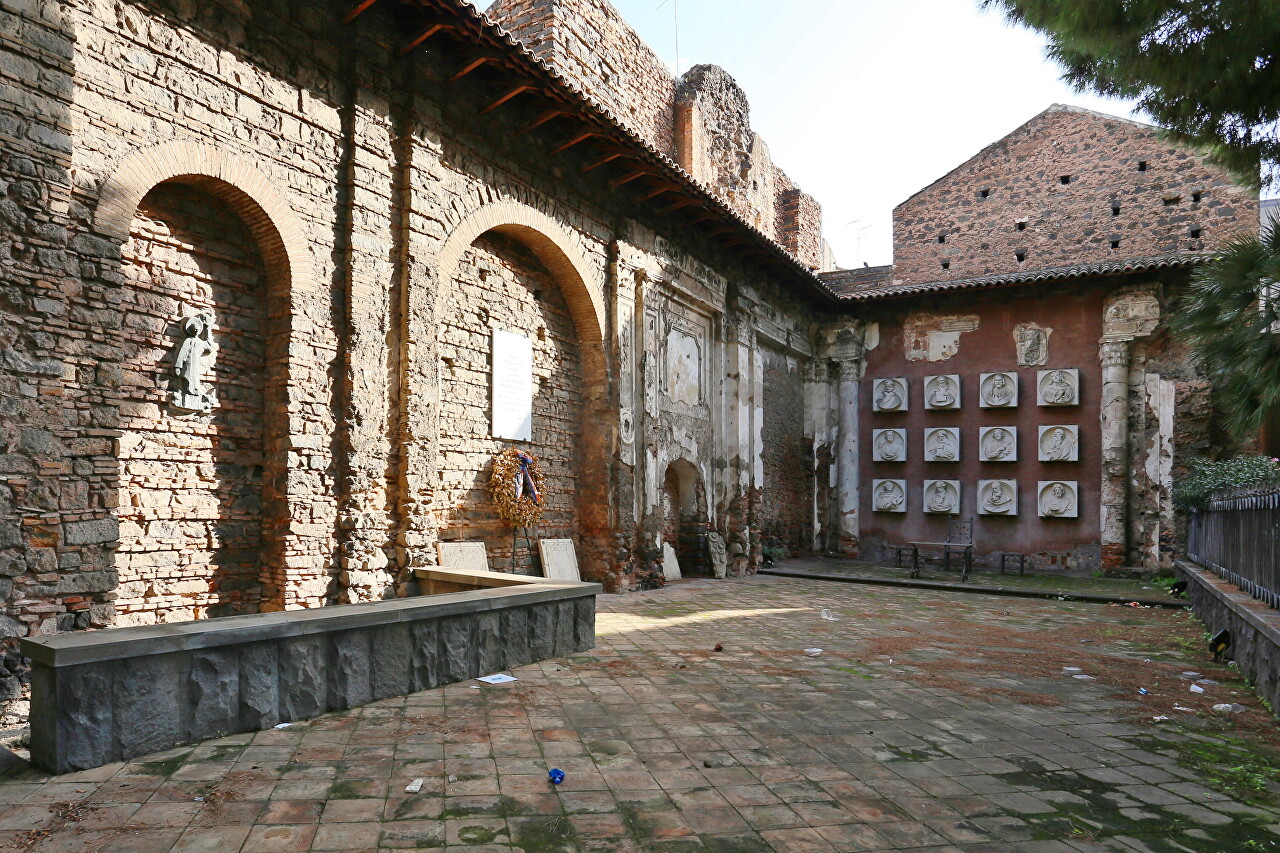
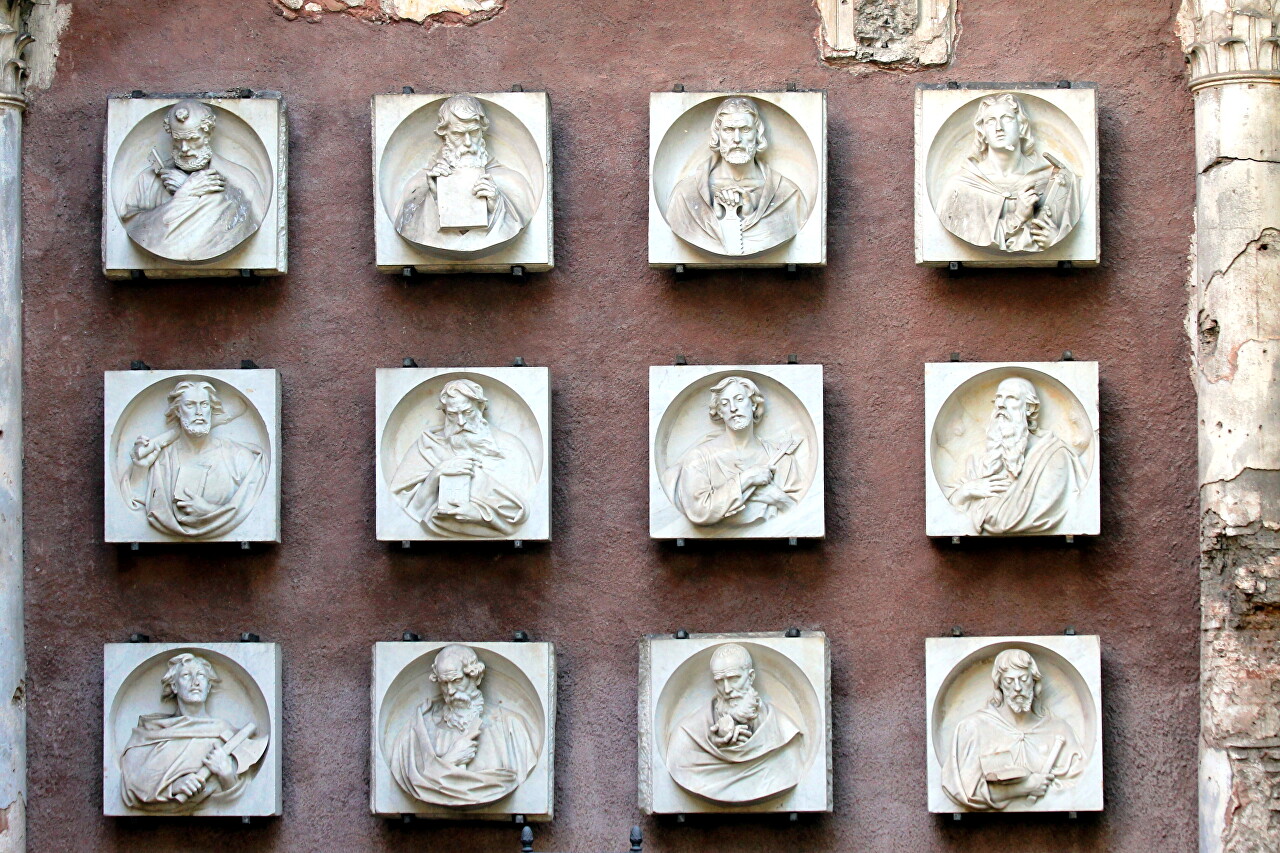
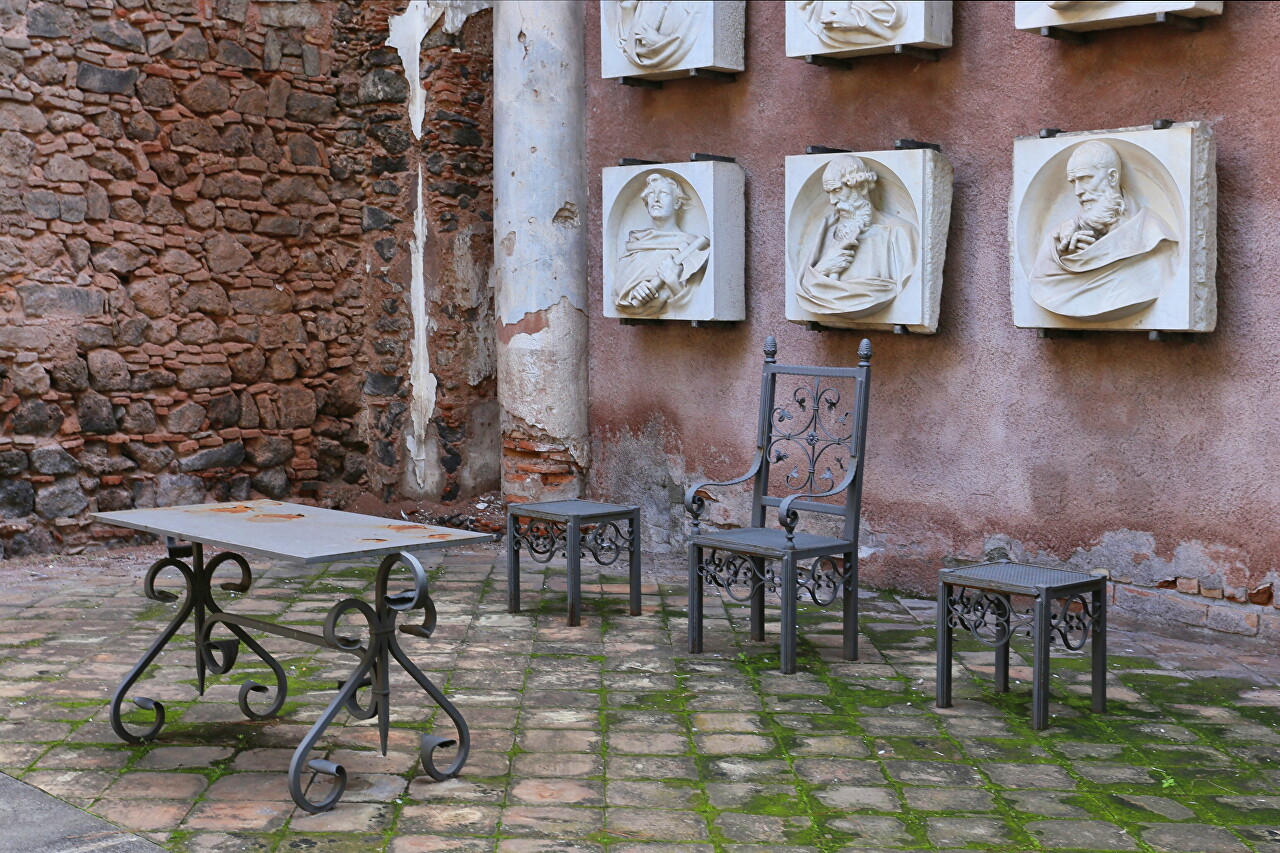
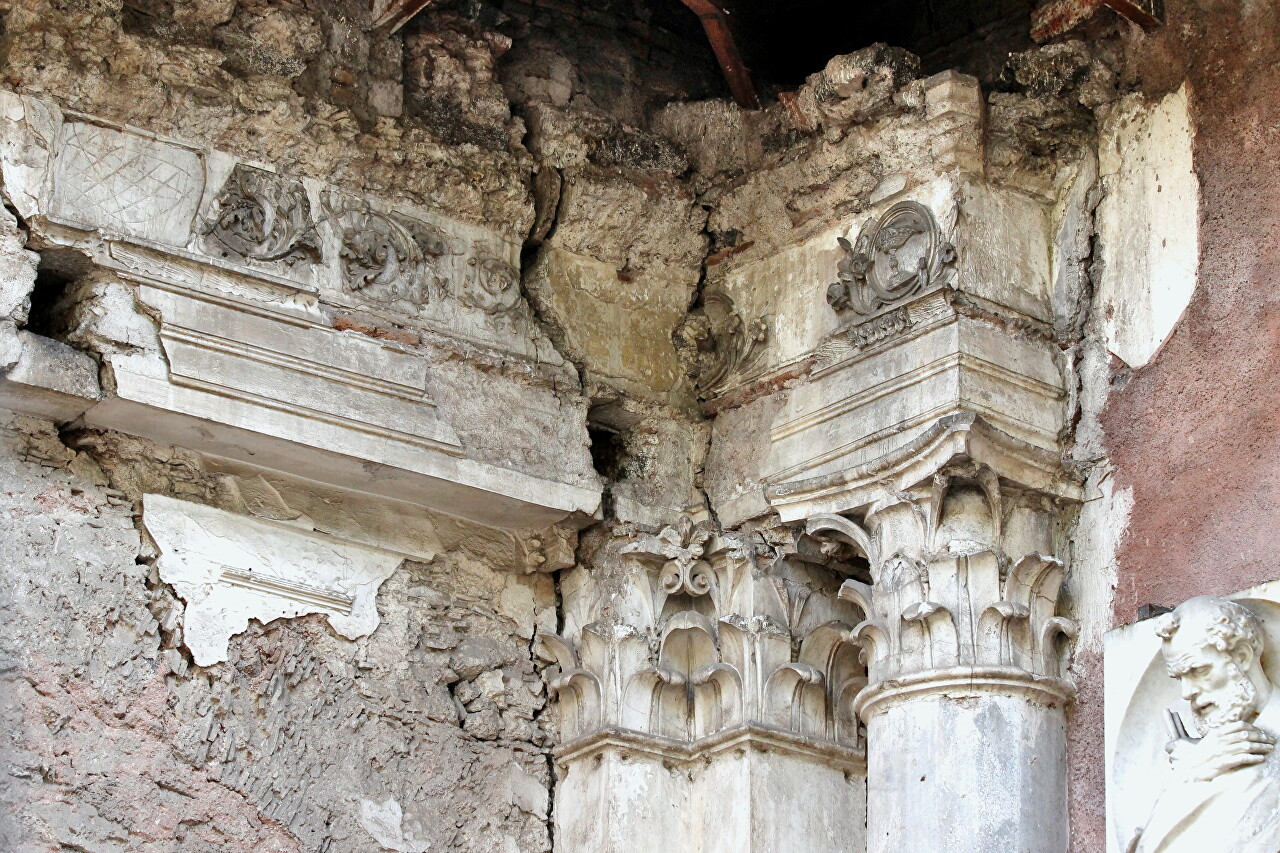
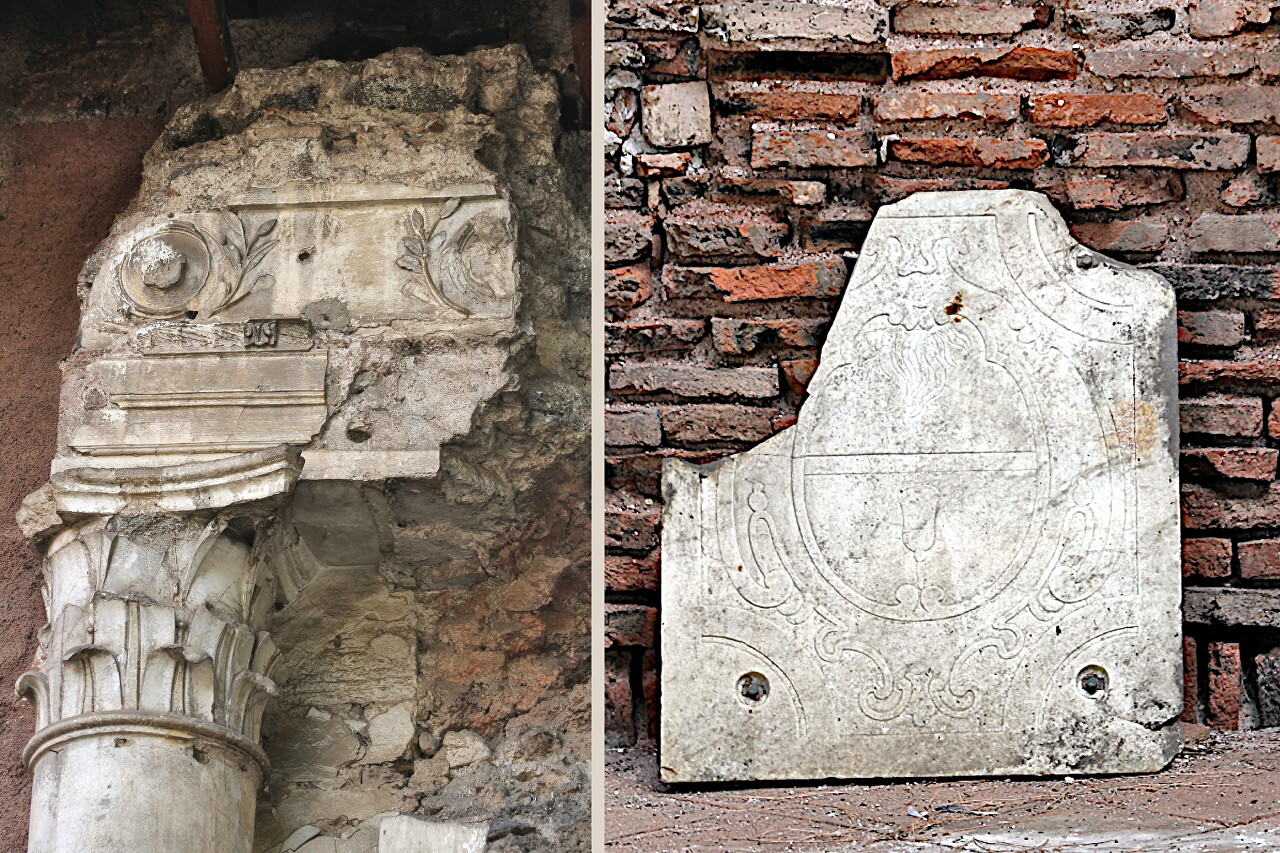
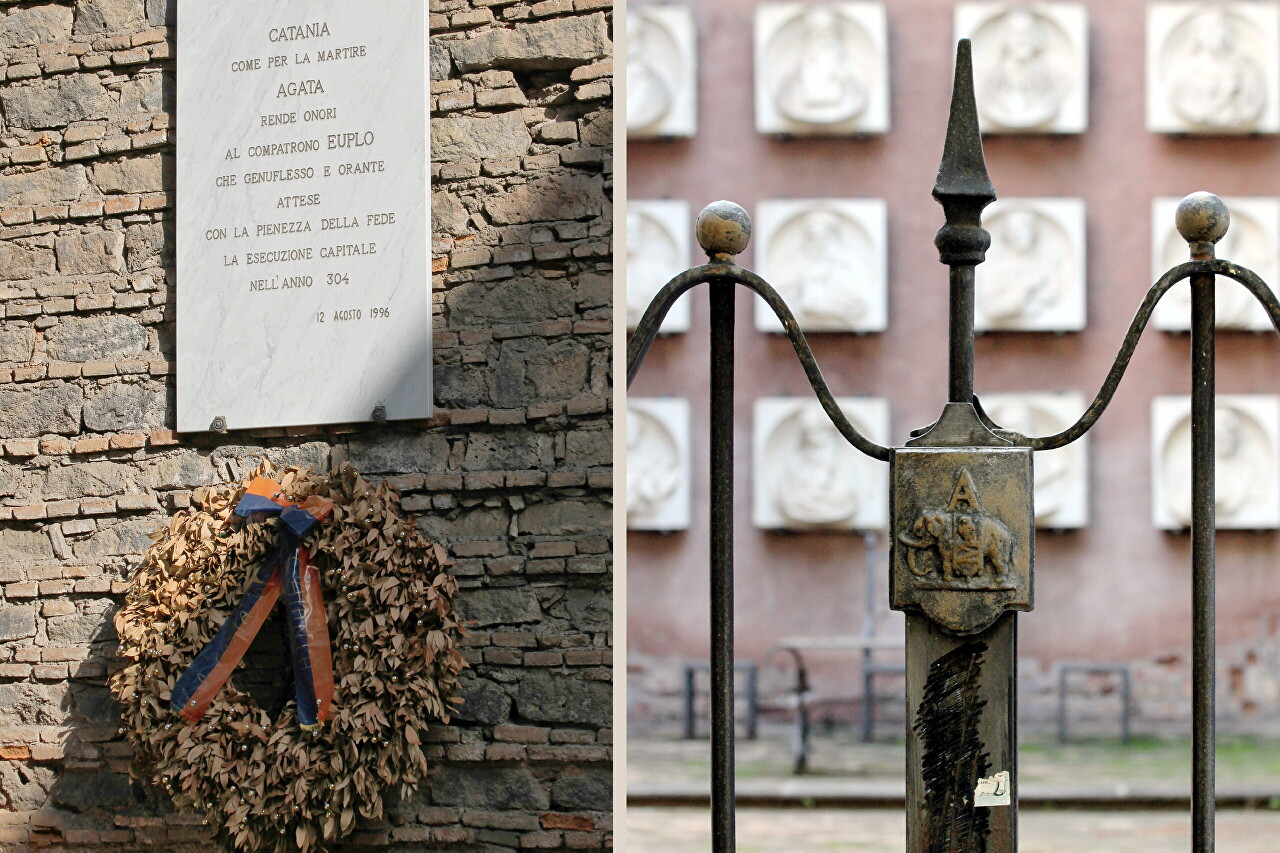
One of the most important monuments of the early Christian era is located near the excavations of the Roman amphitheater on Piazza Stesicoro, at Via Sant'Euplio 24. Its history began during the reign of Emperor Diocletian, who was known for his brutal persecution of Christians. He issued an edict (law) that strictly prohibited the reading of Christian scriptures. Despite the grave danger, a young preacher from Catania named Euplio continued to read the Gospel to the people of the city. According to a local legend, Euplius was arrested after trying to explain the Christian faith to the Roman governor, Calvisianus. The governor demanded that Euplius renounce his faith, but even severe torture could not break his resolve. On August 12, 304, the young preacher was beheaded. The exact date of Euplius's canonization is unknown, but he has been venerated as one of the city's patron saints since the early Middle Ages, and celebrations in his honor are held annually in Catania on August 12. An underground Roman tomb became a sacred place for Christians, where Euplius secretly gathered supporters for sermons. According to another version, the preacher was detained in this dungeon after his arrest. Now there is an underground chapel (hypogeum), but free access to it is closed. You can visit the dungeon only as part of an organized group as part of the "Catania Sotterranea" tour, which you can sign up for at local travel agencies or online. A simpler way to touch this history is to visit the ruins of the church that was built over an ancient crypt in 1548. It was a large and ornate temple that miraculously survived the catastrophic earthquake of 1693, which left the rest of Catania in ruins. However, what nature spared was destroyed by Allied aircraft on July 8, 1943. During the carpet bombing of Catania, one of the heavy bombs hit the roof of the building, turning it into a pile of rubble. Only a portion of the right wall of the nave, the transept arch, and a few columns survived. However, the sturdy stone vault of the underground crypt withstood the devastating impact. After the war, the decision was made not to reconstruct the Church of Sant'Euplio (Chiesa di Sant'Euplio), but to leave its ruins as a memorial to the citizens who lost their lives during the bombings. In 1978, the surviving inner brick wall was reinforced and 12 marble bas-reliefs with busts of the apostles were installed in it. These medallions were created back in 1887 and were originally intended for the Monumental Cemetery of Catania. Unfortunately, timely measures were not taken to preserve the unique frescoes on the surviving wall. The images of Saint Euphilius and the martyr Serapion were still clearly visible in the 1950s, but by the beginning of the 21st century, the dampness and rains had completely erased the paintings.
..
..
..
..
..
..
..