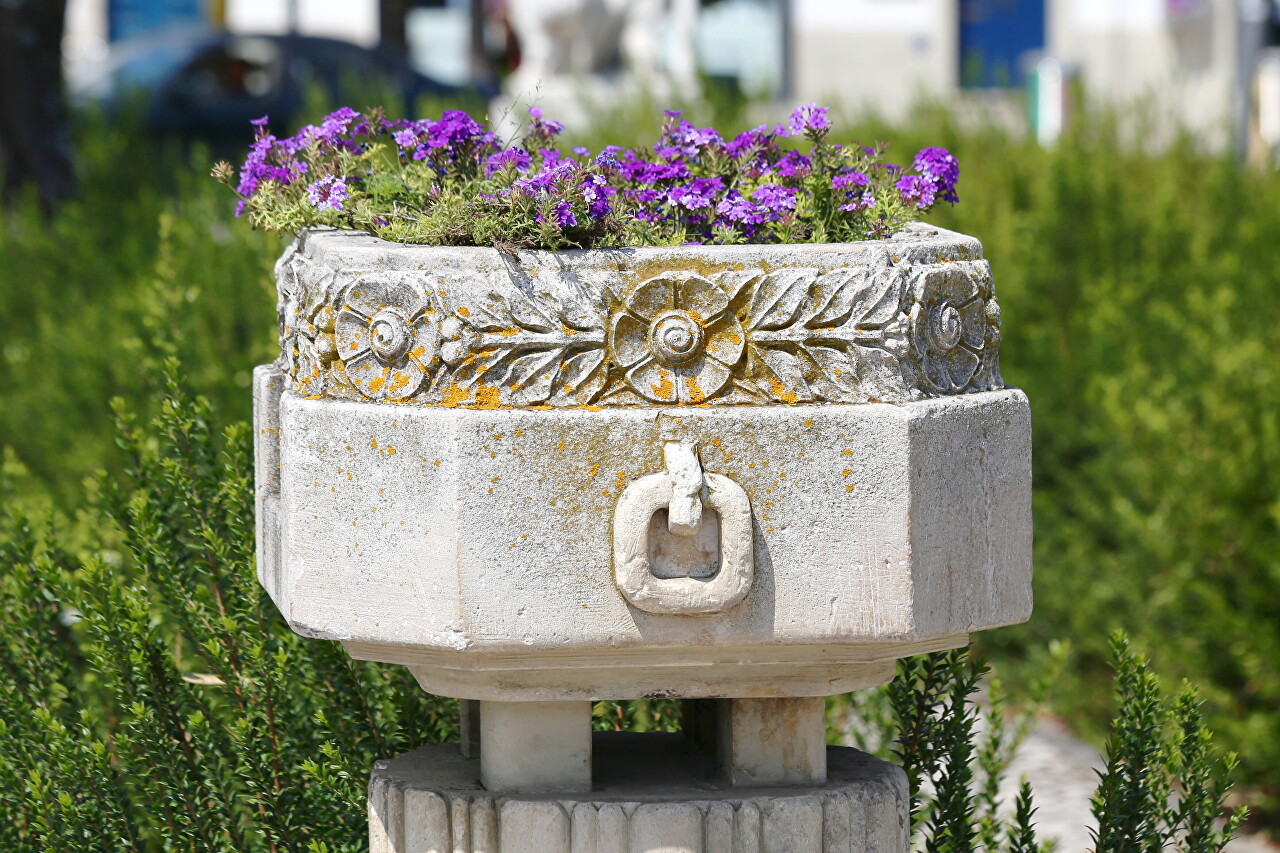
Largo 5 de Outubro, Leiria
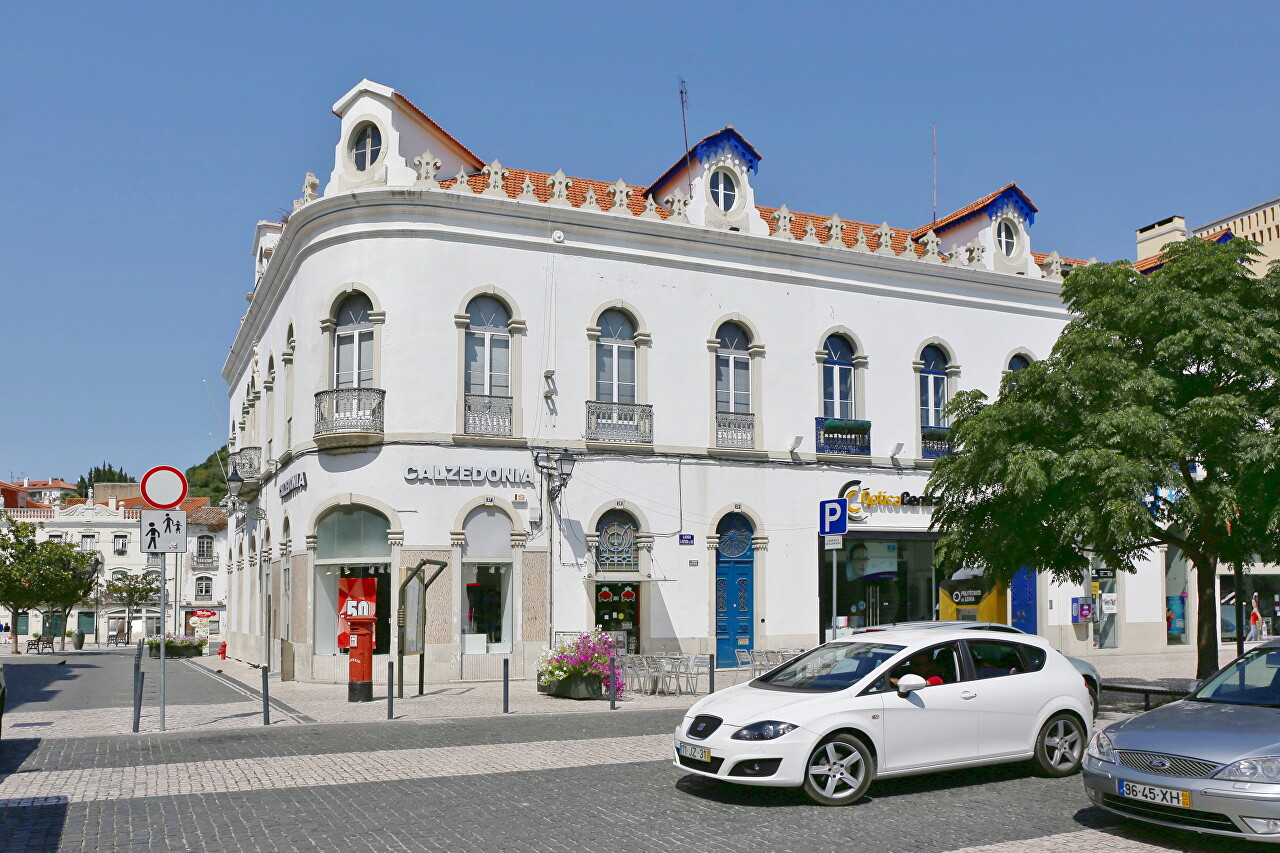
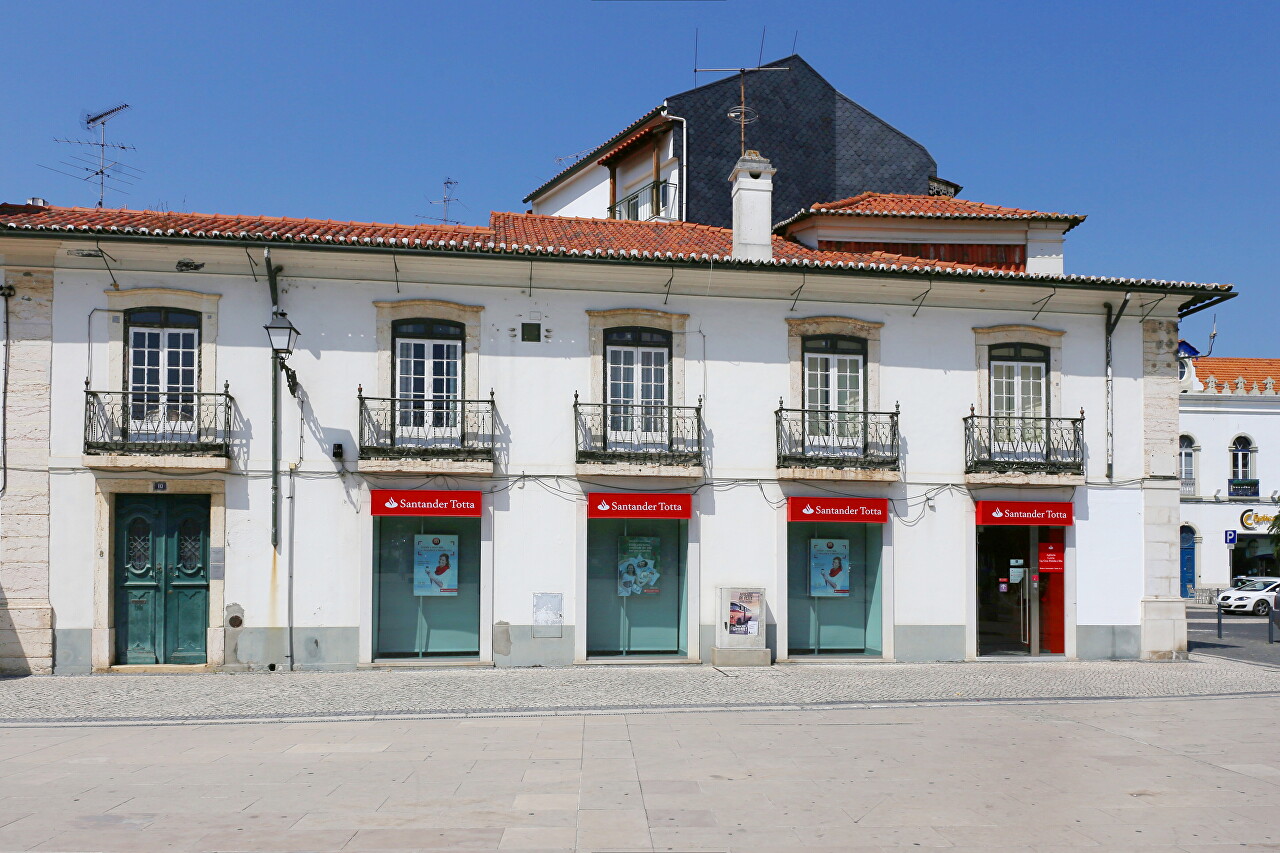
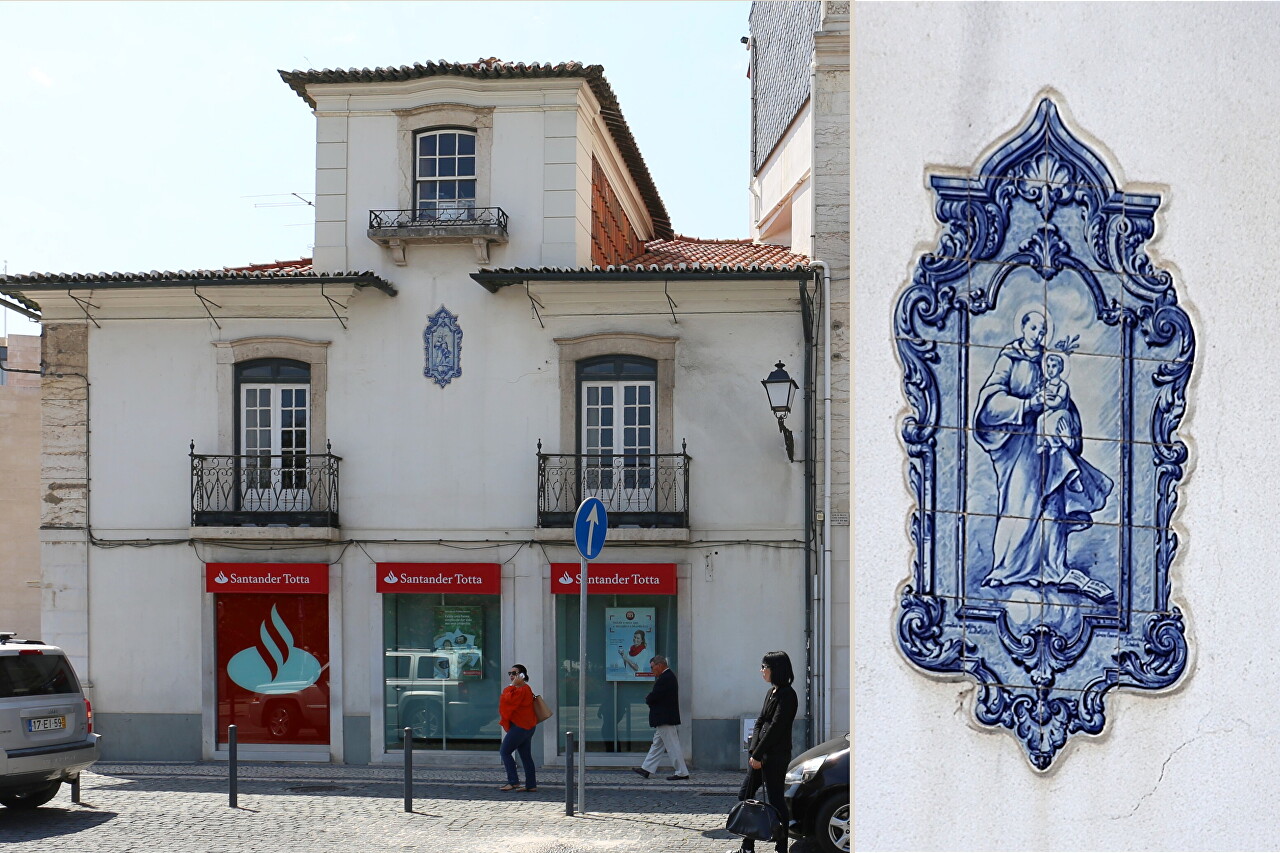
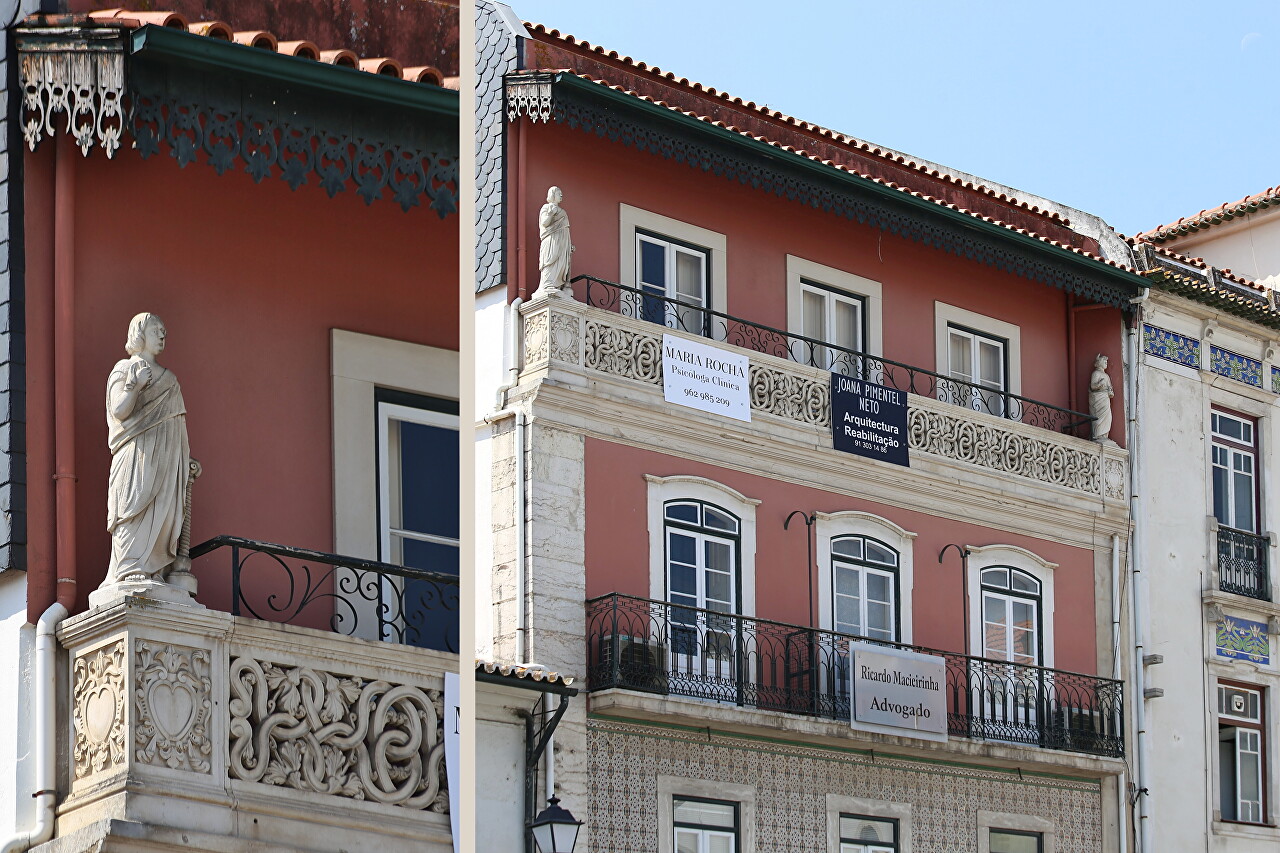
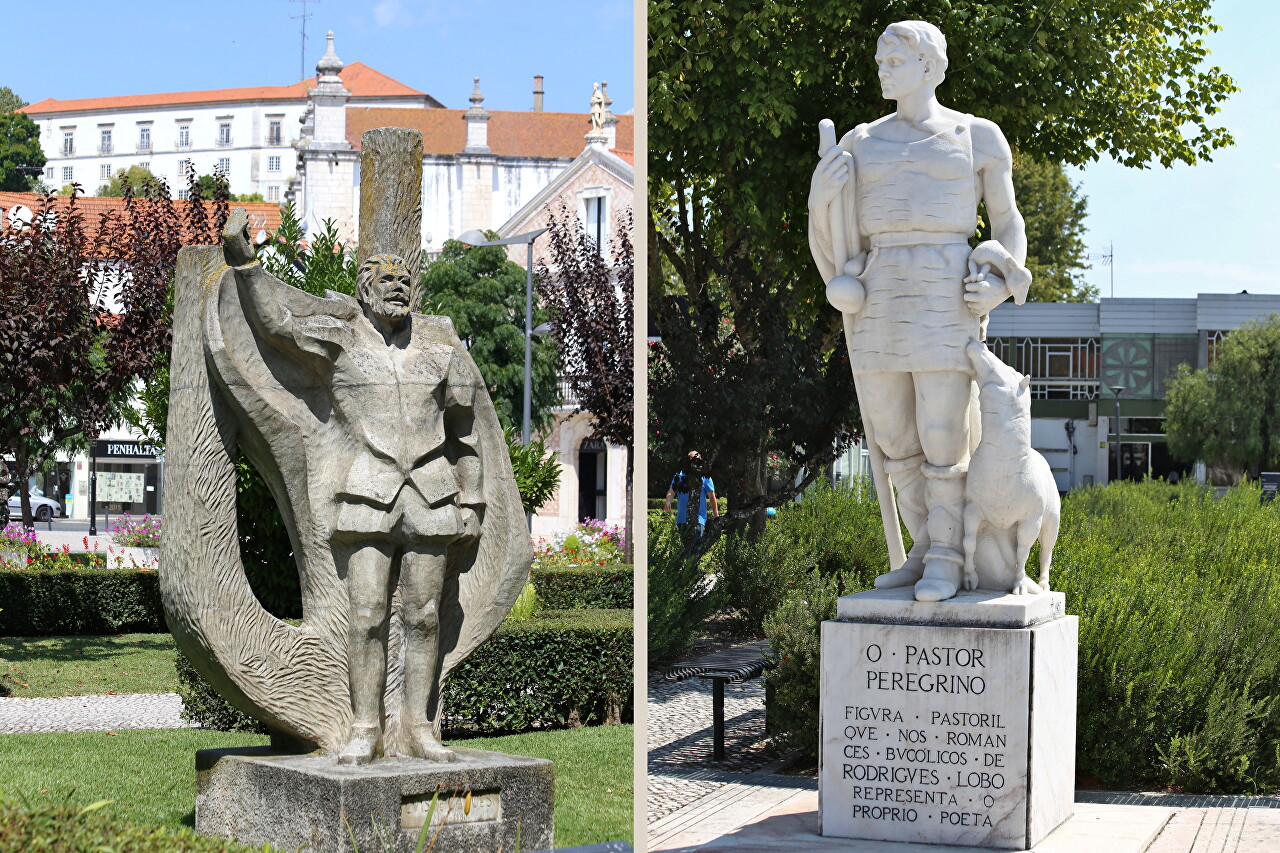
The central square of the city was originally named Rossio, then Campo de D. Luís. Nowadays, most of the historic square is occupied by Luís de Camões Garden, and the street that separates it from the historical center is named after the revolution of October 5, 1910. On this day, a relatively bloodless coup took place in Lisbon, organized by Freemasons from among the intelligentsia and naval officers, as a result of which the monarchy was overthrown and Portugal became a republic. On the street there are buildings of typical Portuguese architecture of the turn of the 19th and 20th centuries, built in both regional and eclectic styles with Art Nouveau elements. In particular, a corner house (with a Calzedonia store) with elegant semicircular windows, wrought-iron balconies and decorative elements on the roof. The most famous building is the former building of the Bank of Portugal (Edificio do ex-Banco de Portugal), I will tell you about it separately. The facade of the Bishop's Palace (Paço Episcopal) also overlooks the square, and there will also be a separate article about it. There are several monuments on the square: the poet Luis de Camões and the Monument "The Shepherd Pilgrim" (Estatua o Pastor Peregrino), the character of the novel of the same name, written in 1608 by Francisco Rodrigues Lobo, a native of Leiria. The square is the venue for the city's festivals, the most famous of which is the Medieval Fair (Feira Medieval de Leiria), held in the second half of July. The fair features traditional gastronomy and artisan products, as well as a theatrical performance depicting a jousting tournament.
..
..
..
..
..
..