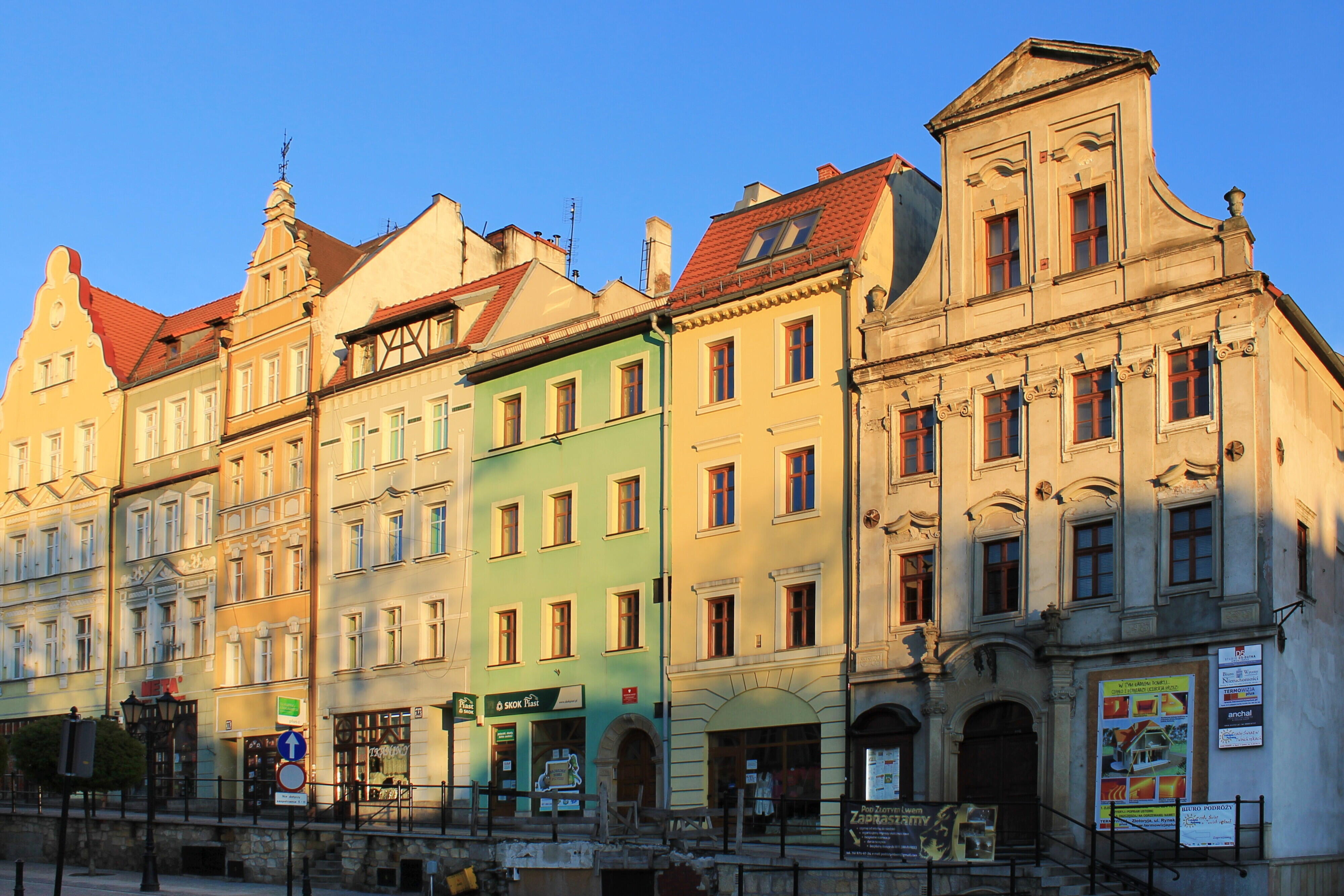
Złotoryja, the Oldest Polish City
Złotoryja is a small town in southwestern Poland, in the province of Lower Silesia, on the Kaczawa River, with a population of only about 16,000 inhabitants. From the eighth to the tenth century, the Trzebowiane (South Slavs of the Czech group) lived in these lands. At the end of the 12th century, a colony of German prospectors settled on the banks of the Kachava River, rich in gold placers, and named their settlement Goldberg (Goldberg, golden mountain). In 1211, Henry I the Bearded, Duke of Greater Poland, approved the settlement's charter, which was based on the principles of Magdeburg Law. This is the earliest documented evidence of such a status in Poland, making Złotoryja the oldest city in Poland.
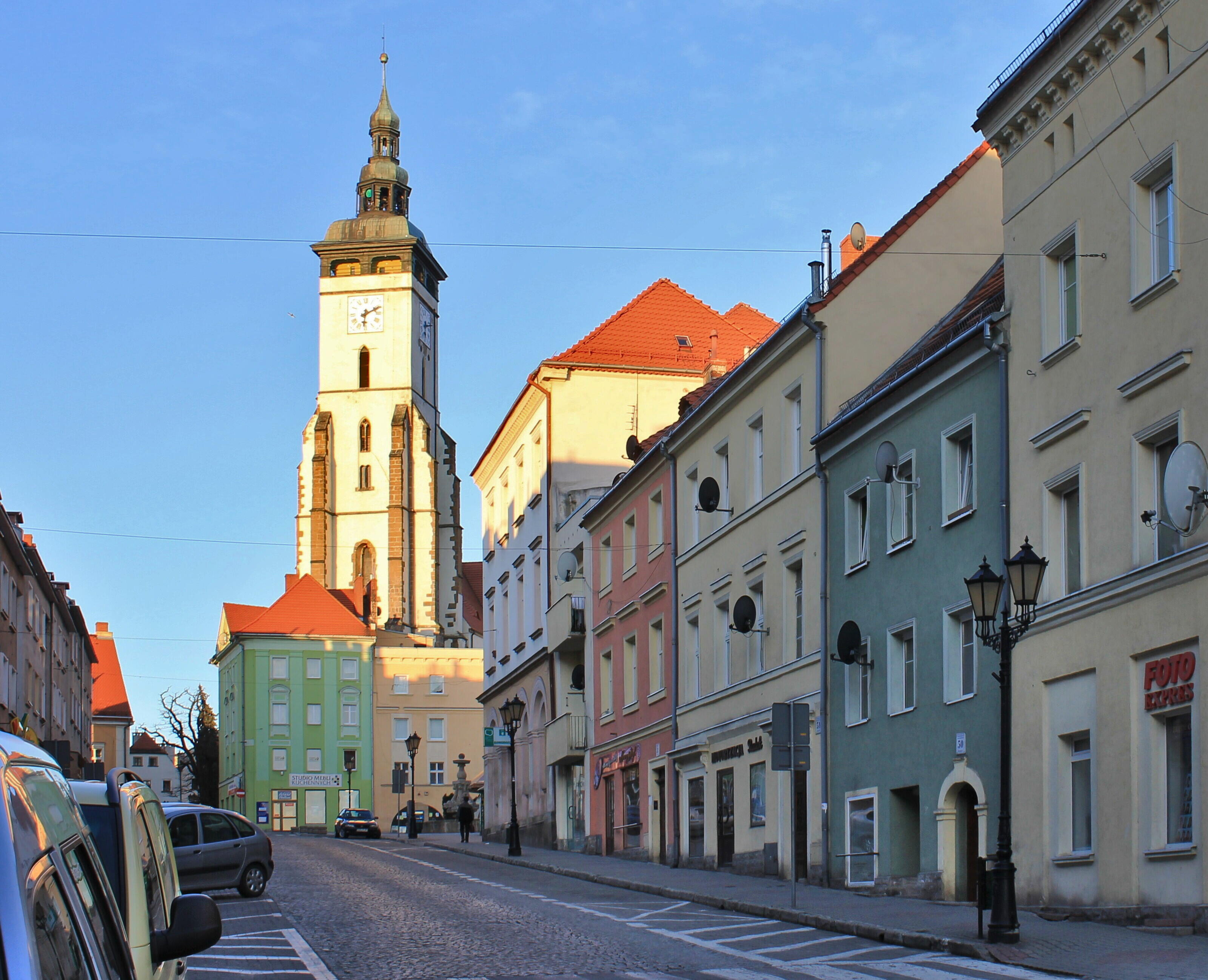
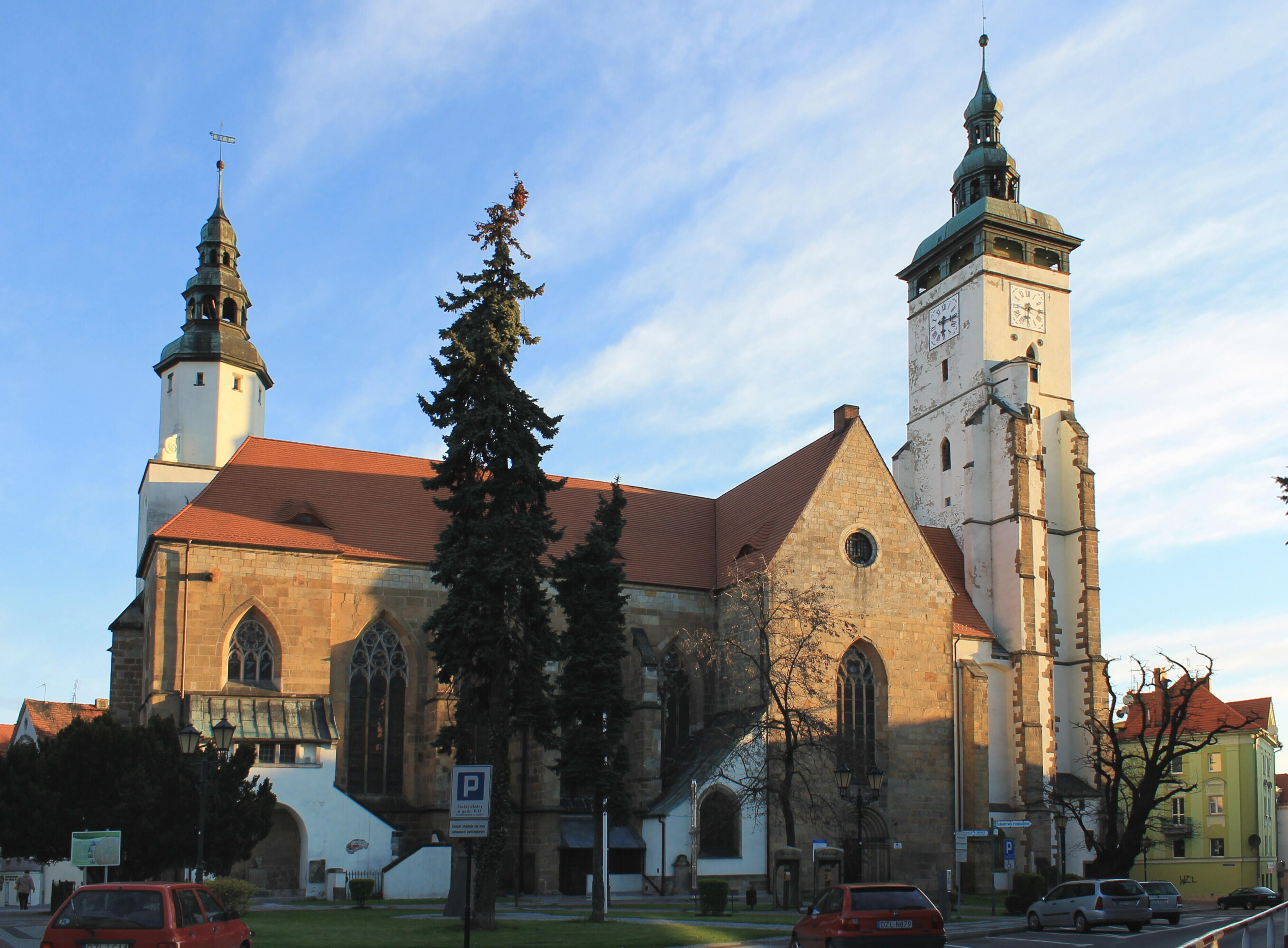
In 1230, the Church of the Nativity of the Virgin Mary, which is now a symbol of the city, was completed. The construction was carried out under the patronage of Henryk Biały. There is reason to believe that this is the first stone church in the Polish lands. In 1241, several hundred citizens took part in the battle against the Mongol horde at Legnica, and most of them died, but the advance of the Asians was halted.
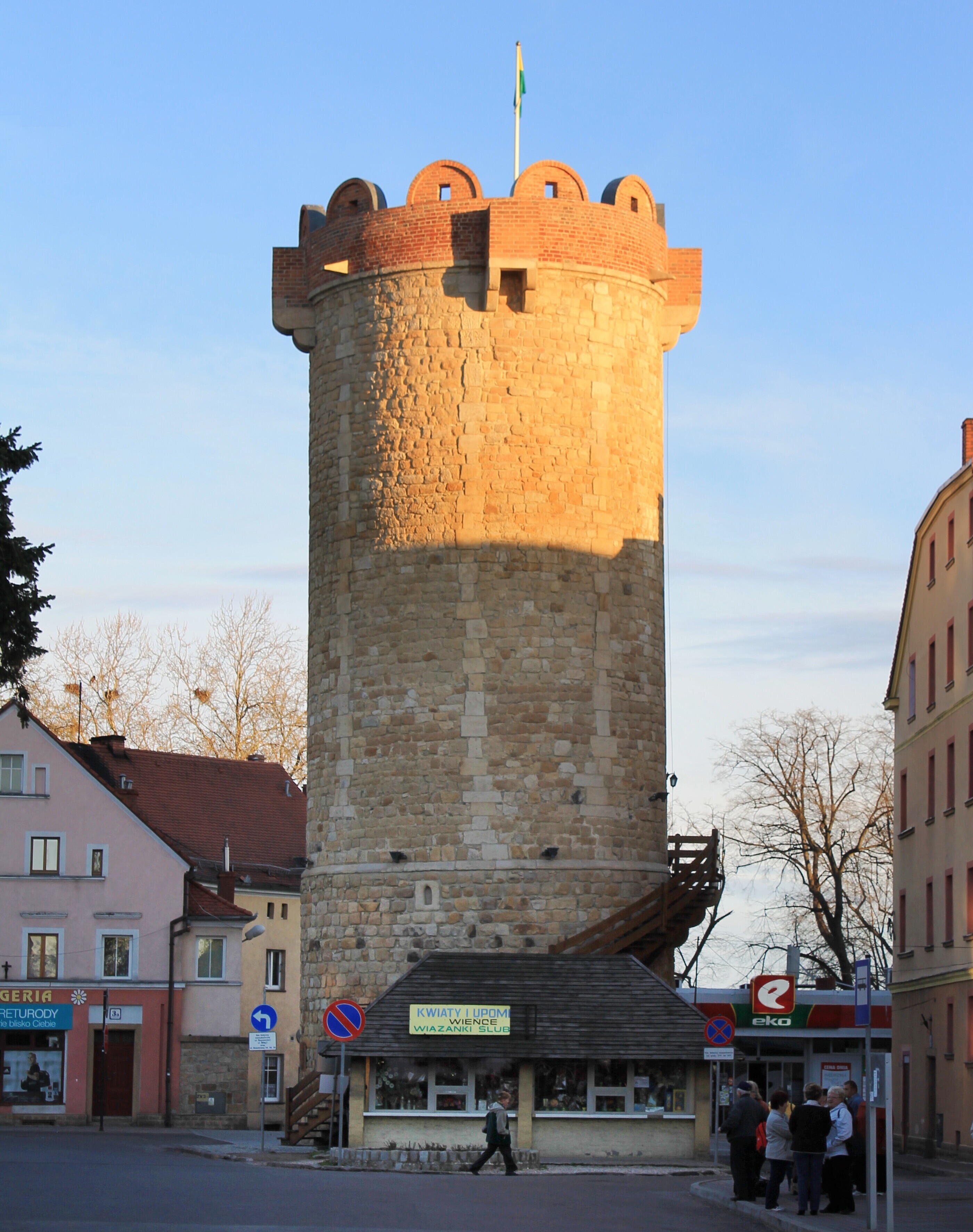
In 1328, the Principality of Legnica became a Czech feudal domain, and during the Hussite Wars in the first half of the 15th century, the city was surrounded by a defensive wall, fragments of which still stand today, including the Blacksmith Tower (Basztą Kowalską). In 1675, after the death of the last Piast ruler, the city came under the rule of the Habsburgs, and in 1742, it was conquered by Prussia. On August 26, 1813, in the battle for the city, Napoleon's troops were defeated by the combined forces of the armies of Prussia and Russia. From 1895 until the end of World War II, the city was called Zlotagóra.
After the defeat of Nazi Germany, the city again became part of Poland and in 1946 received the name Zlotry (Złotagóra). By the early fifties, the German population was evicted to Germany. In the second half of the twentieth century, gold mining resumed in the vicinity of the city, which had not been conducted since the 17th century, and copper mines were also opened that worked until the seventies. In 1992, the Polish Brotherhood of Gold Diggers was founded, which annually holds the national gold-washing championship in Złotoryje, and in 2000 and 2011, the World Championship was held here. During the communist era, the historical center of the city fell into disrepair, but in the mid-1990s, its reconstruction began, and in the first decade of the new century, the city center regained its 17th-century appearance.