Iglesia de Santa María del Sagrario, Malaga
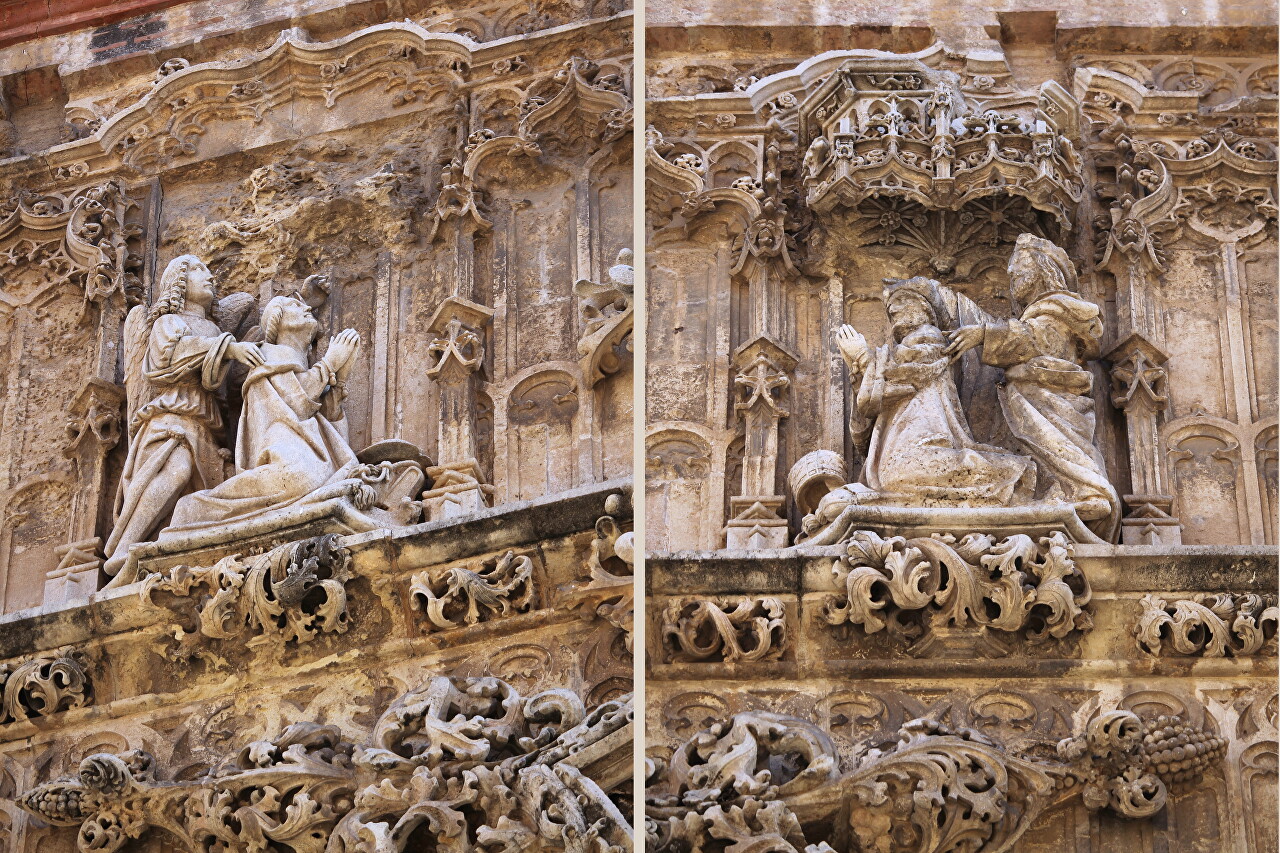
To the right of the main facade of the Cathedral, on the northern border of the Catedral Garden, there is a massive red brick building, the walls of which are varied only by small windows under the roof and a majestic Baroque portal known as Puerta del Perdón, facing the short street of Sanat Maria (Calle Sta. María, 22).
The history of the Sagrario Church is inextricably linked with the Reconquista. Before the conquest of Malaga by Christian troops, the main cathedral mosque of the city, Al-Hama, was located on this site. In 1487, after the capture of the city by the Catholic kings Ferdinand II of Aragon and Isabella of Castile, the mosque was partially destroyed, and the first Christian services began to be held in its surviving northwestern part. The official papal permission for full-fledged Christian construction on this land was obtained in 1488. The church was built in several stages, reflecting the change of religious eras and architectural styles in Andalusia.
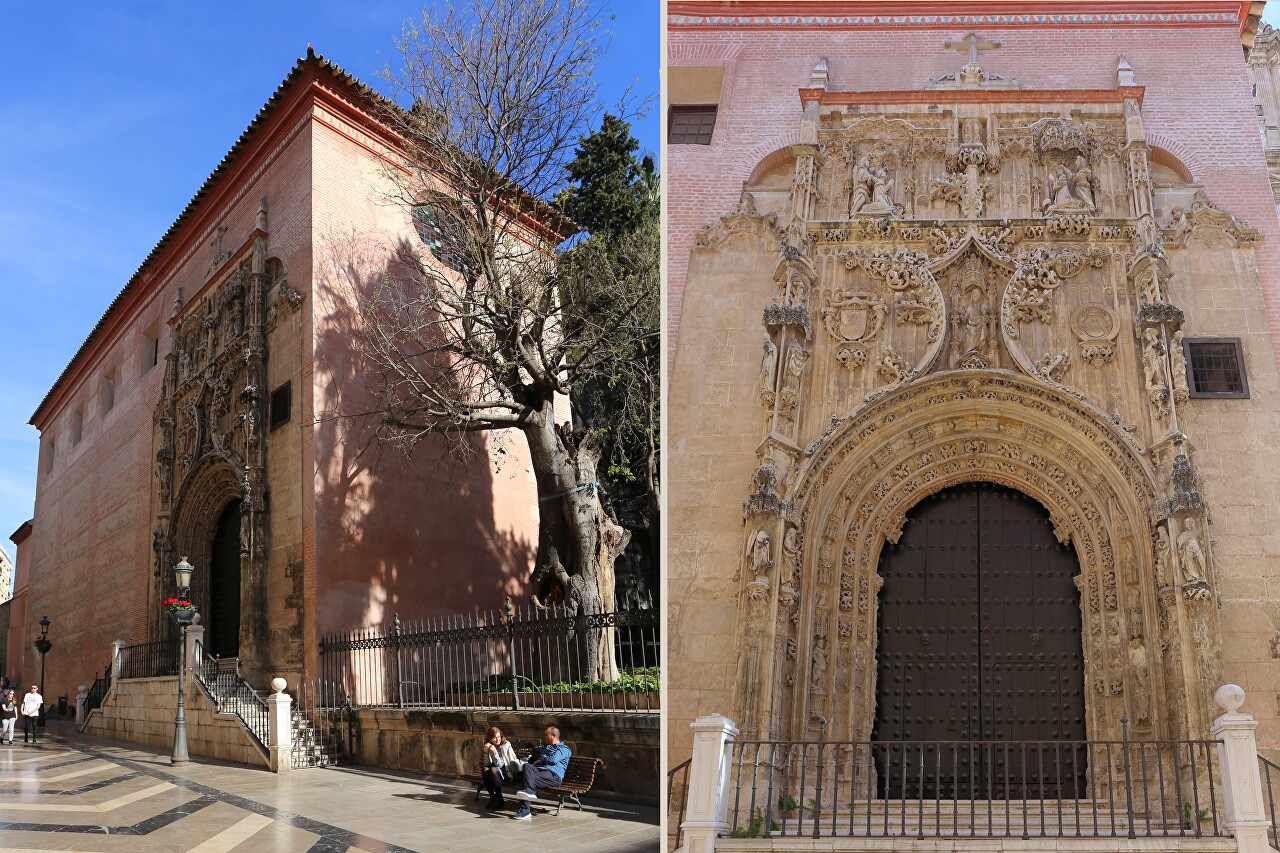
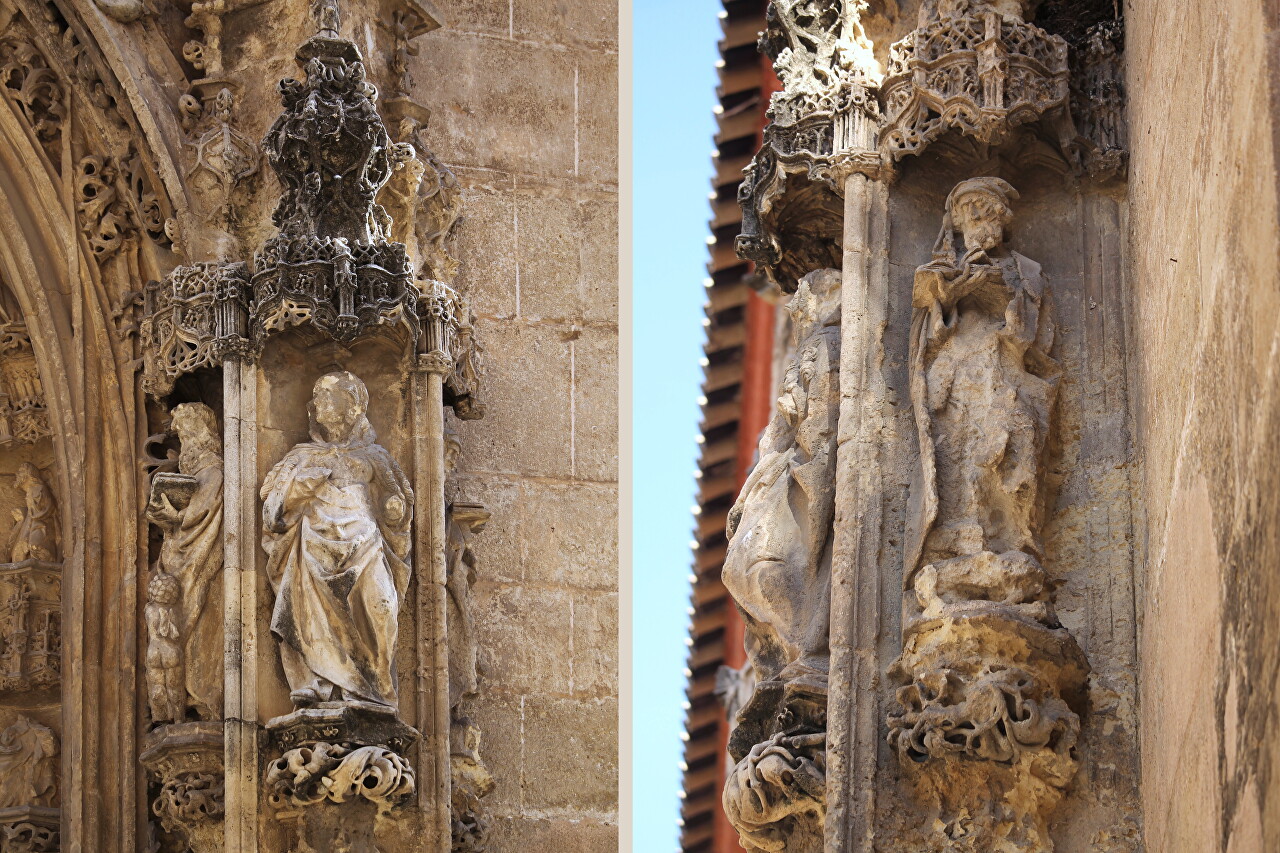
At the beginning of the 16th century, the epic of the construction of the main cathedral of Malaga began. In 1506-1516, a magnificent Gothic gate was built, which was to become the main entrance to the entire cathedral complex. The portal was made in the Isabelino style (late Spanish Gothic), which is rare for the south of Spain. However, during the laying of the foundation of the cathedral, groundwater was released and the project was redesigned by shifting and rotating the axis of the structure by 90 degrees. As a result, the main facade began to face west, and the magnificent arch was left out of business.
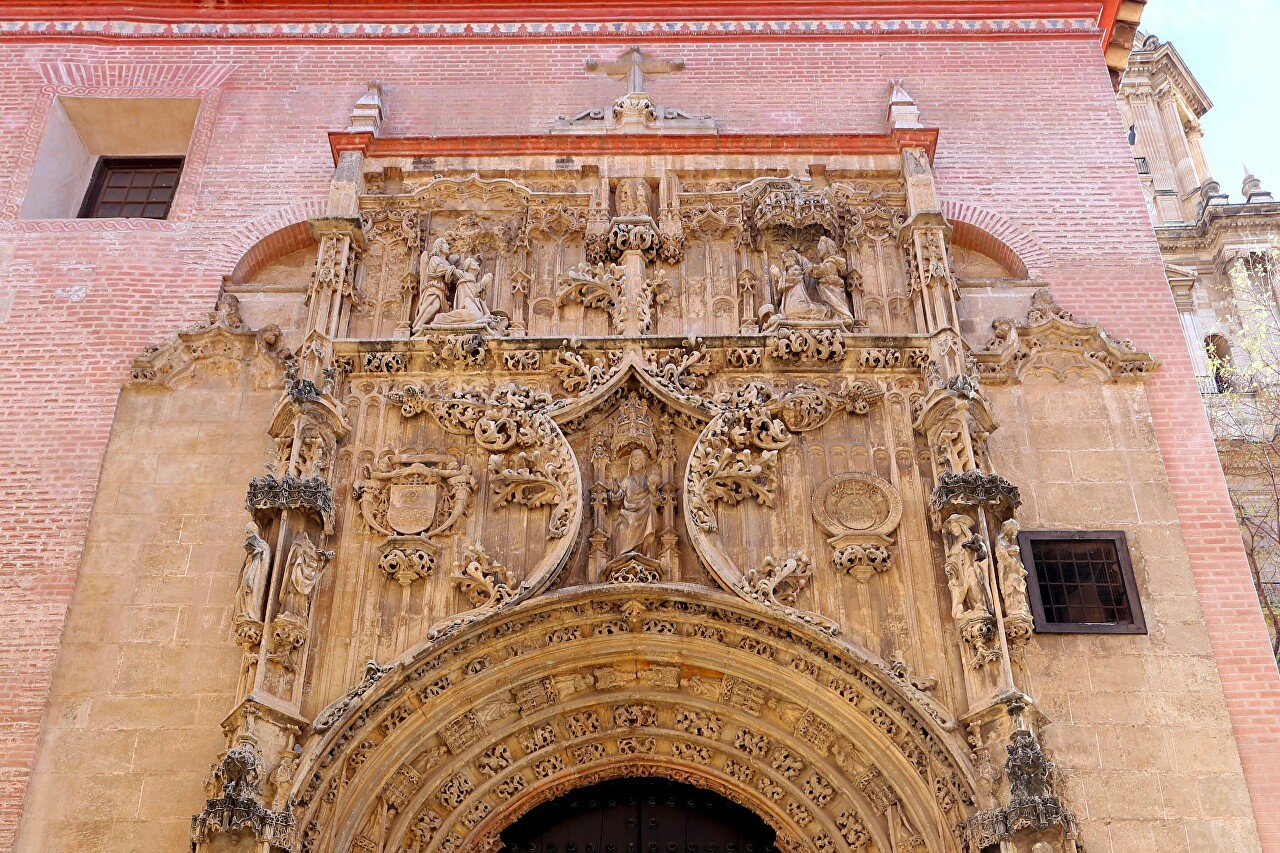
To prevent any damage, a parish church was built around the portal on the foundation of the destroyed mosque. The construction of the cathedral was an important task, so the church was built on a residual basis, and at the beginning of the 18th century the building fell into such disrepair that in 1714 it was dismantled due to the threat of collapse. By 1720, the church was rebuilt in a magnificent Baroque style.
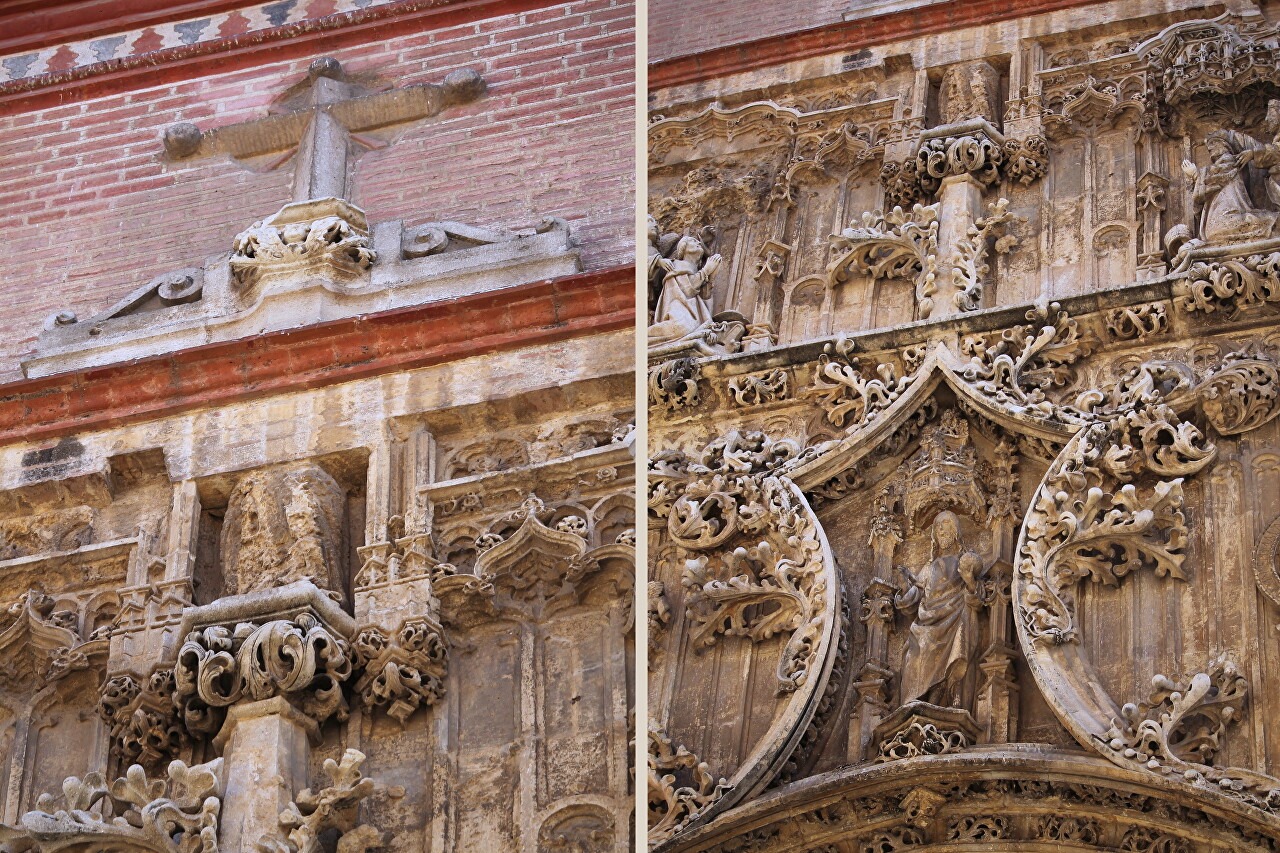
As a result of its centuries-old history, the Sagrario Church has become a unique "layer cake": the foundation of an ancient mosque, the gates of the Isabellin Gothic of the 16th century and the magnificent Baroque interior of the 18th century. The church has a simple rectangular layout, the so-called "box plan" (planta de cajon), with one spacious nave, the space is covered by cylindrical arches with lunettes.
The church's decoration stands in stark contrast to its austere stone facade and impresses with its luxury. Although it was almost completely destroyed by fire during the anarchy, it was restored in 1944. All moldings, cornices and arch elements are covered with the richest gilded Baroque ornaments, which literally makes the interior shine in the evening light. The altar in the Spanish Renaissance style (Plateresco) by the famous sculptor Juan de Valmaceda was moved here from a dilapidated church in the town of Becerril de Campos. The temple's chapels house significant sculptures, including the image of Christ ascending to Golgotha (Cristo Mutilado), restored by master Jose Navaza Parejo.
The church acts as a parish and is not a public tourist attraction, there is no information about opening hours at the entrance. However, on weekdays, the entrance is open from 10:30 to 12:00, and on weekends and holidays during worship services. Unfortunately, on several visits to Malaga, I have never been able to look inside.