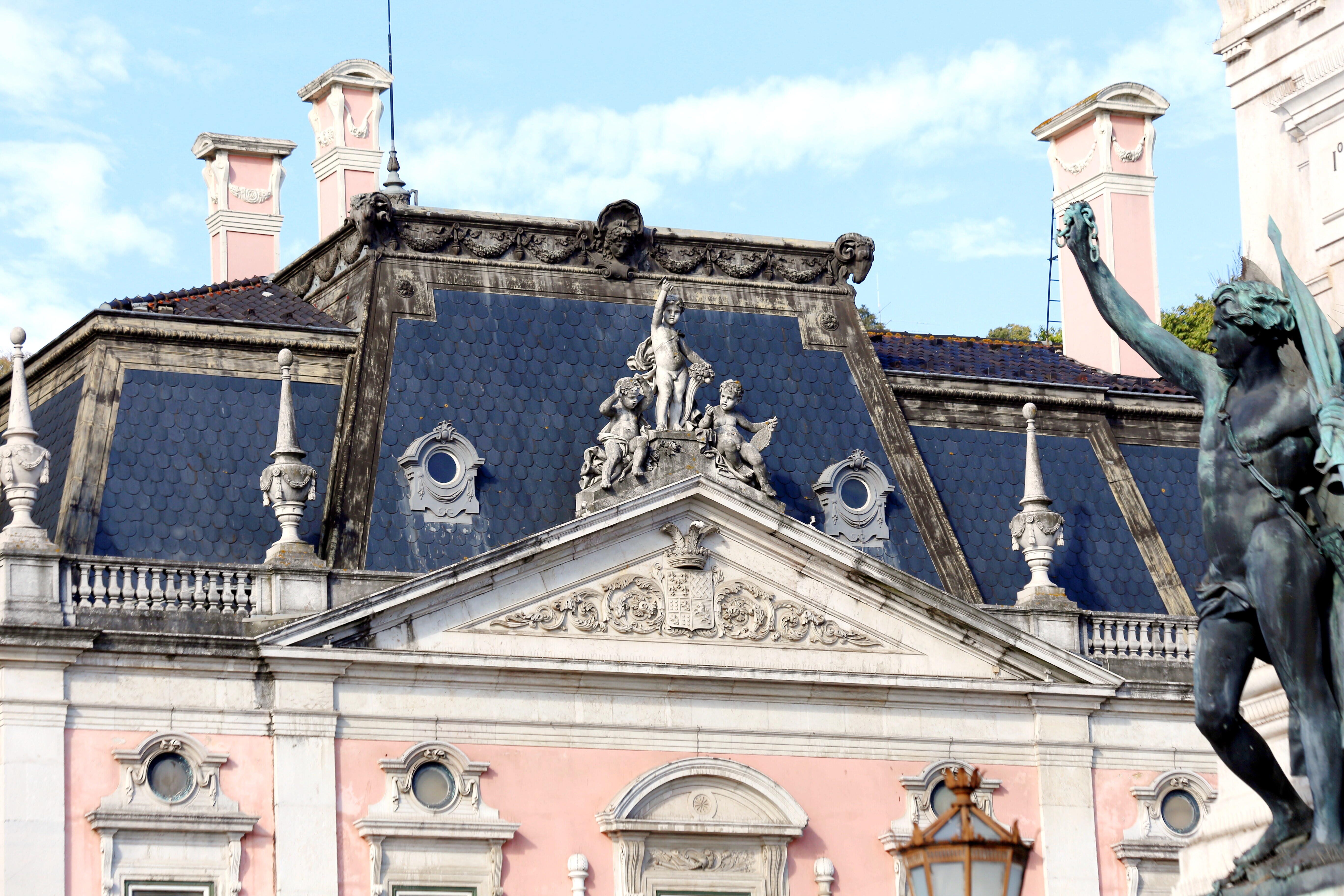
Palácio Foz
The history of this building on Restauradores Square began after the catastrophic earthquake of 1755. The cataclysm thoroughly destroyed the mansion of Marquis Castelo Melhor (1º Marquês de Castelo Melhor, D. José Vasconcelos Sousa Câmara Faro e Veiga), Captain General of the Azores. After that, the owner decided to build a new palace on the site of the garden adjacent to the descent of Gloria (Rampa da Gloria). The story is silent about who commissioned the project, it is only known that the Italian Francisco Xavier Fabri led the construction work.
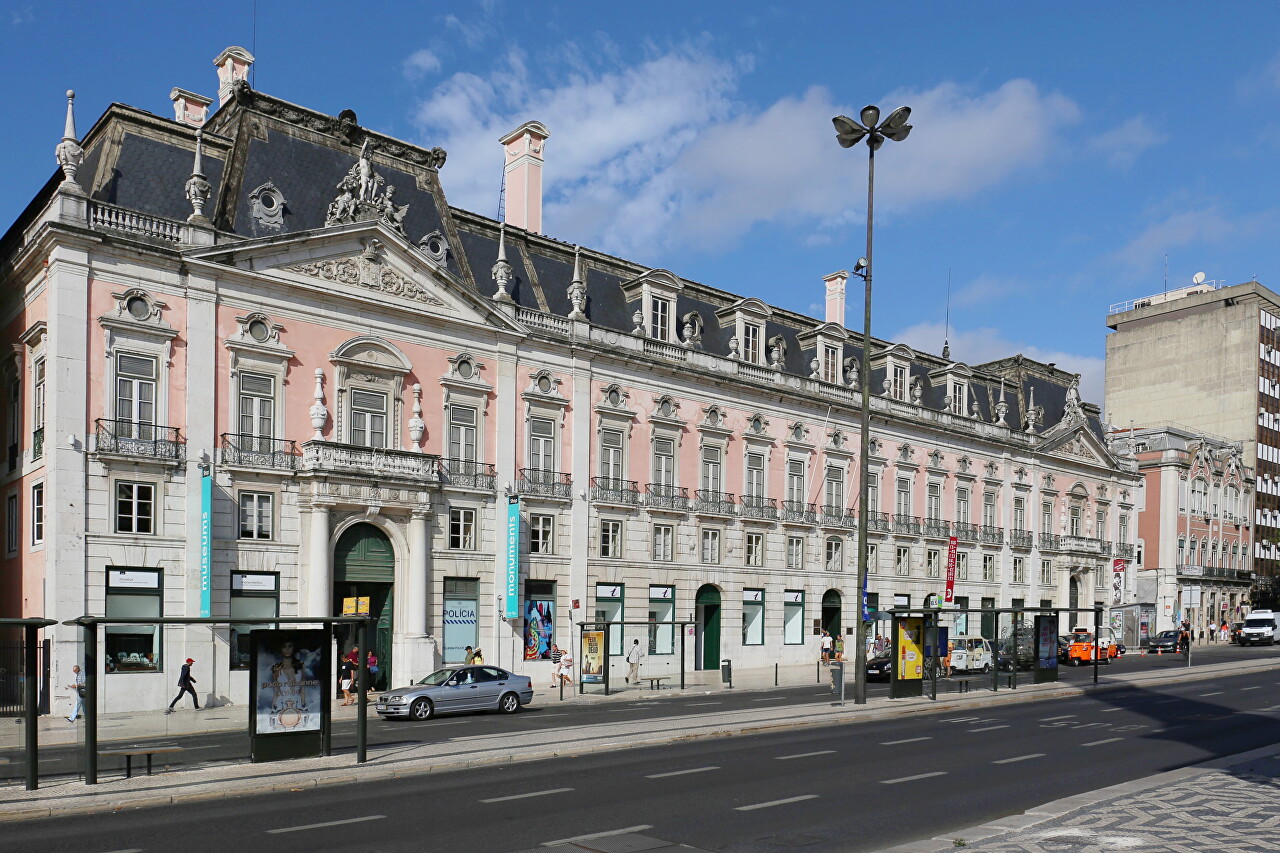
In 1769, the Marquis died, and construction stalled for many years. The descendants of the marquis, the Vasconcelos family, took care of the completion of the palace only in the next century, in 1846 the work continued. The building was completed in 1858 and became known as Palácio Castelo Melhor. Little is known about the interiors of the palace at that time, as the owners led a closed lifestyle. There is only evidence of the incredible luxury of the palace chapel (Capela de Nossa Senhora do Amor de Deus), where a public mass was held on the occasion of the completion of construction. The participants of the celebration note that it was the richest private church in Lisbon. There were rumors around the city that the palace was filled with exotic vegetation, which was brought by one of the members of the Vasconcelos family, the governor of the Brazilian city of Grão Pará.
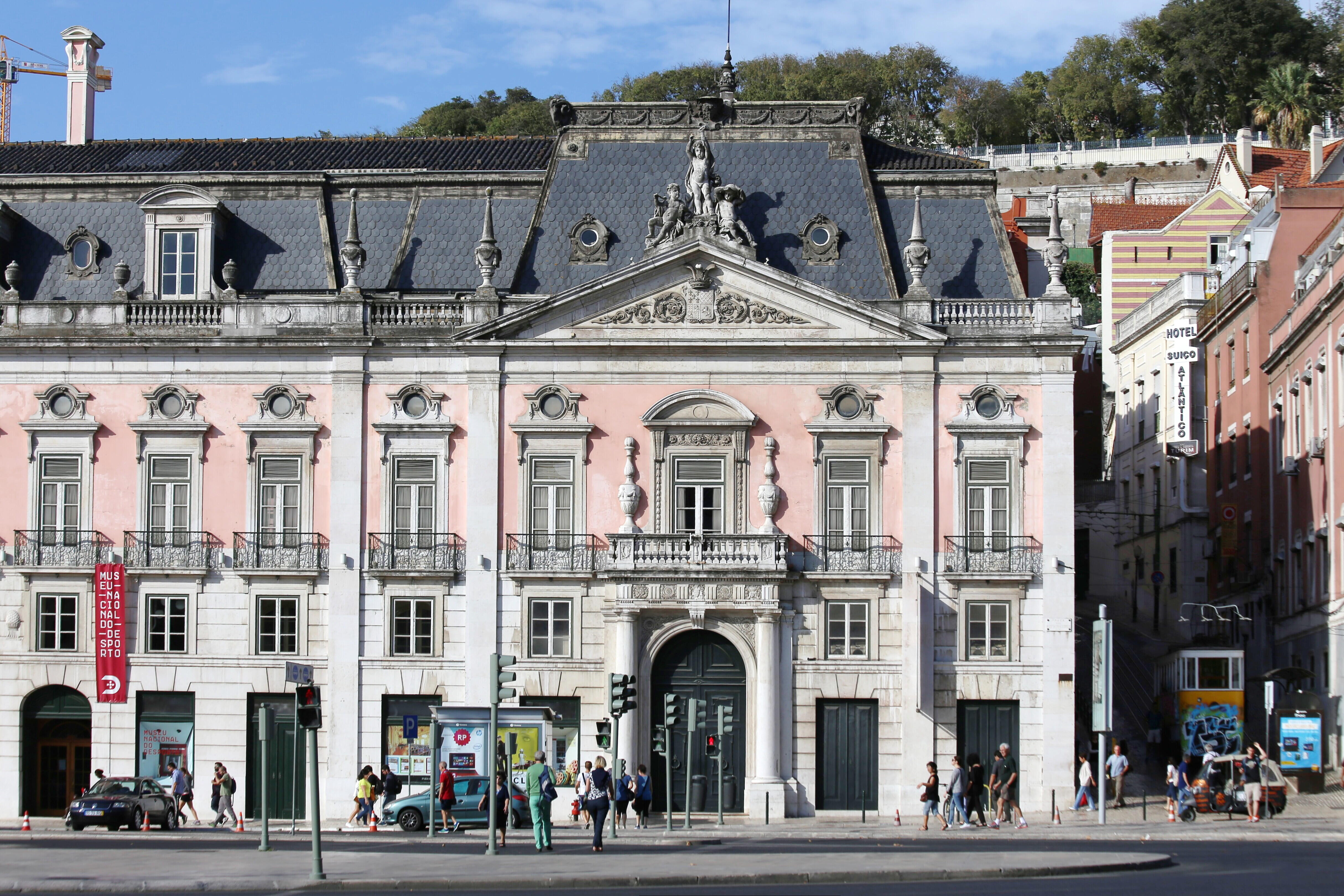
However, the happiness of the owners of this splendor lasted only three decades, in 1889, the manager of the Royal Railways, Tristão Guedes, became the owner of the palace. The history of this deal is very ugly. The railway chief announced that the access roads to the new Rossio station would pass through the territory of the palace, and expropriated it into the ownership of the state department, paying a small compensation to the heirs of the Marquis of Castelo Mejora. A few months later, a cunning official bought the building for ownership at a price several times lower than the real one. Then the design was changed and the tracks passed through a tunnel to the west of the building. .
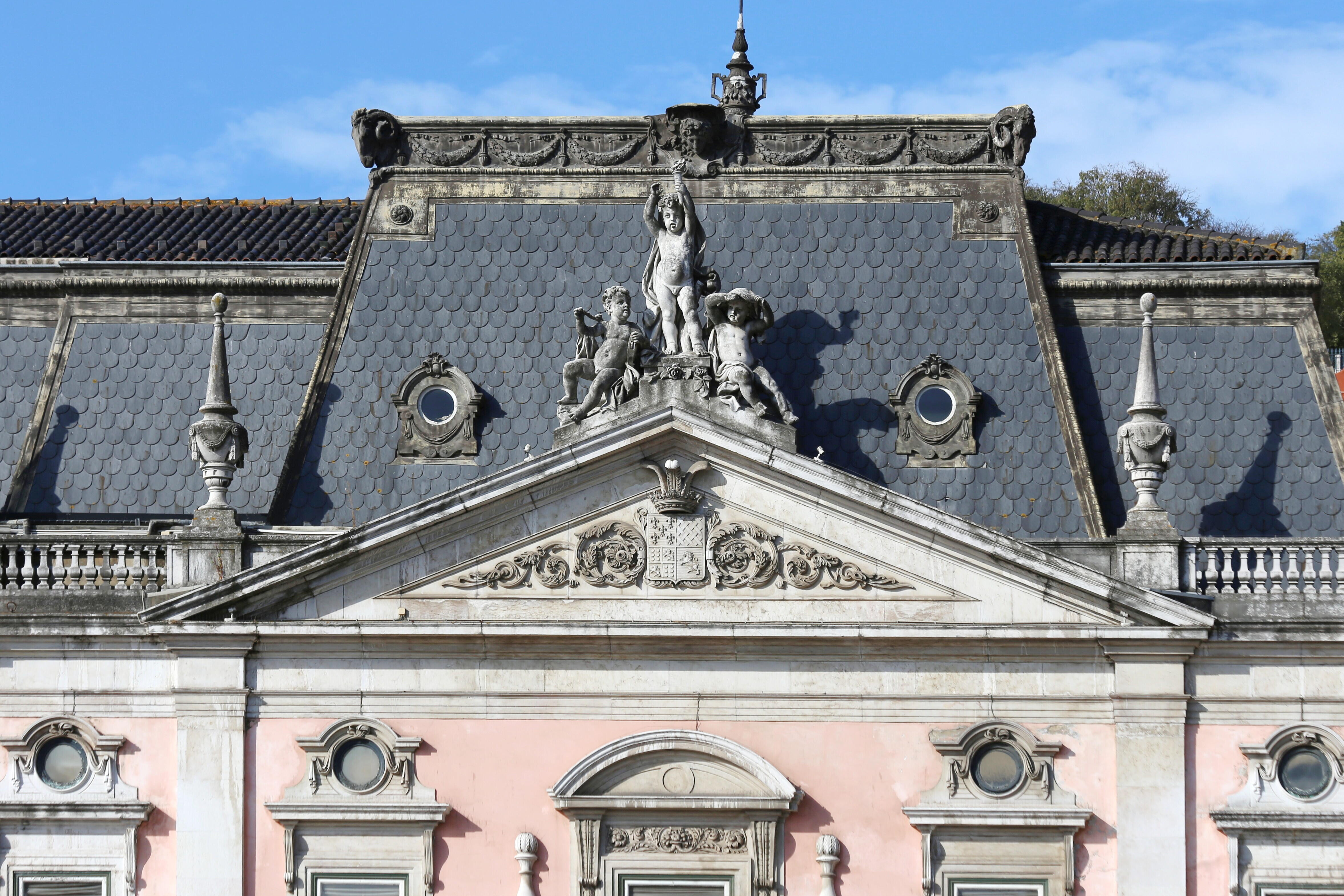
Guedes later received the title of Marquis of Foz, and since then the building has been known as Palácio da Foz. The new owner carried out a large-scale renovation, completely changing the interior space. Brazilian exoticism was replaced by Renaissance-style interiors, and Guediche invited the best Parisian artists and designers to work on them. Only the palace chapel has preserved its original appearance. The exterior of the palace remained the same, with the exception of the roof, which was replaced by a high French attic. There is a version that this attic was conceived back in the 18th century and it was allegedly on the model of the first builder of the palace, Xavier Fabri.
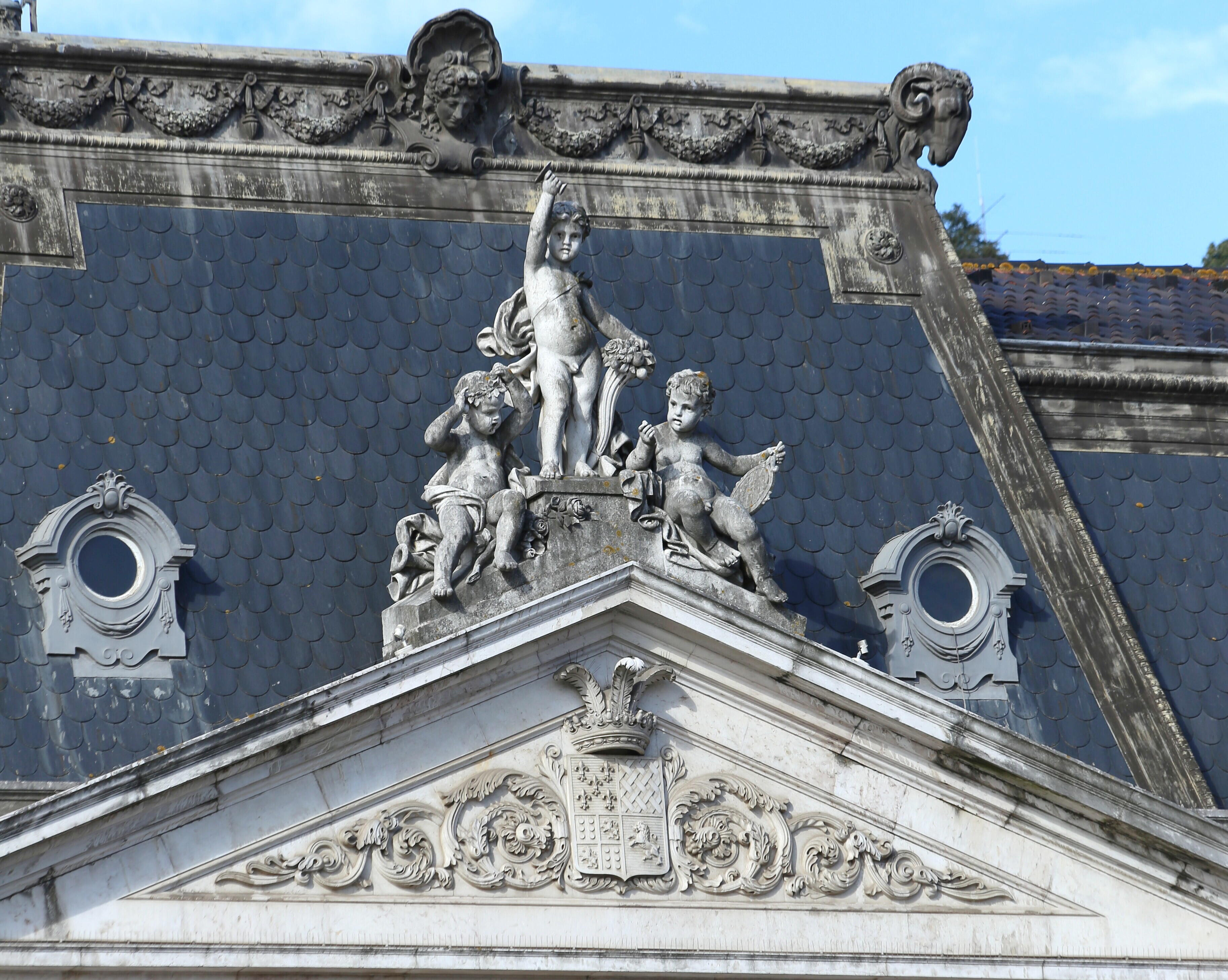
The Foch Palace is currently occupied by the Institute of Social Communications and the Tourism Board.