Cais do Sodré Promenade
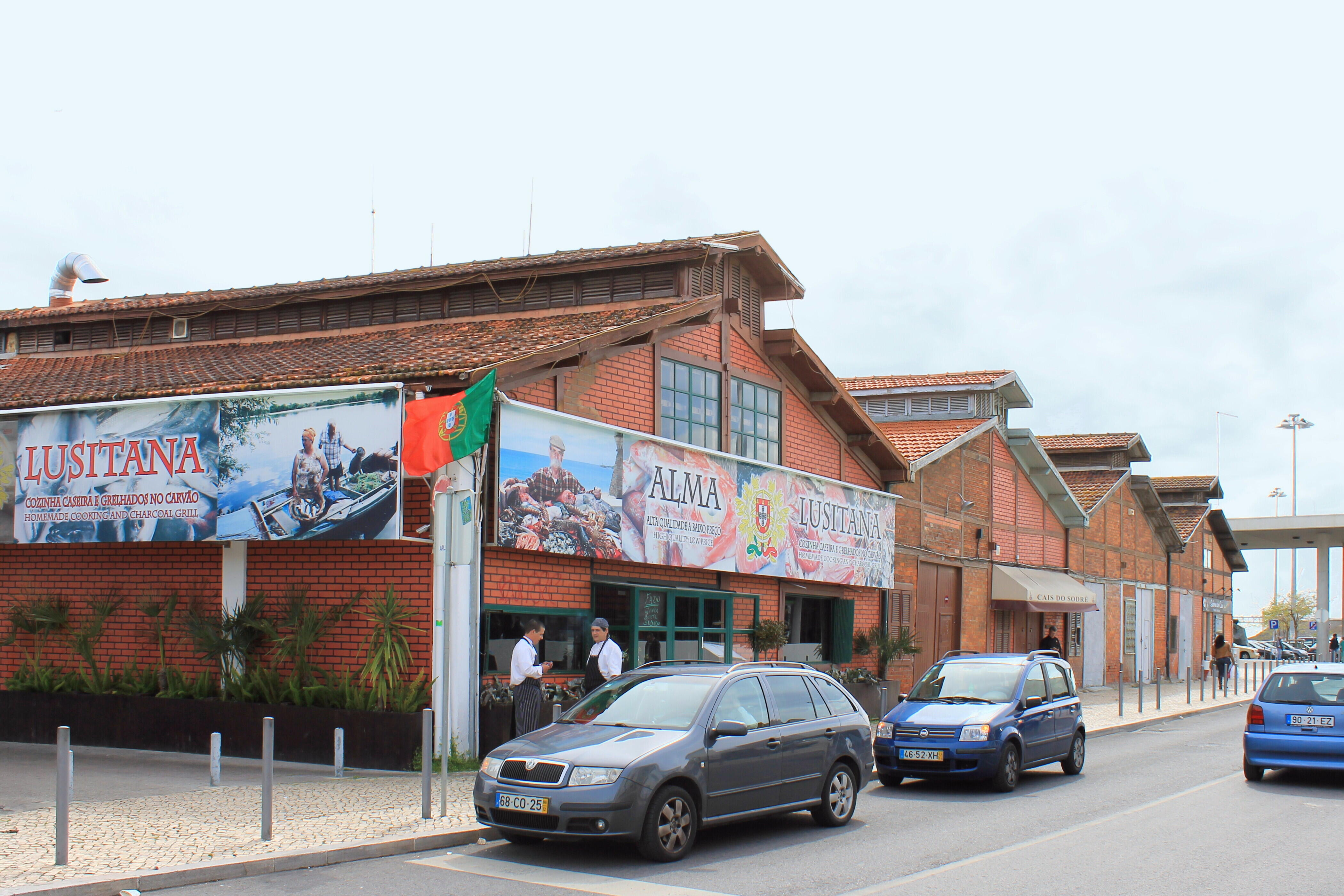
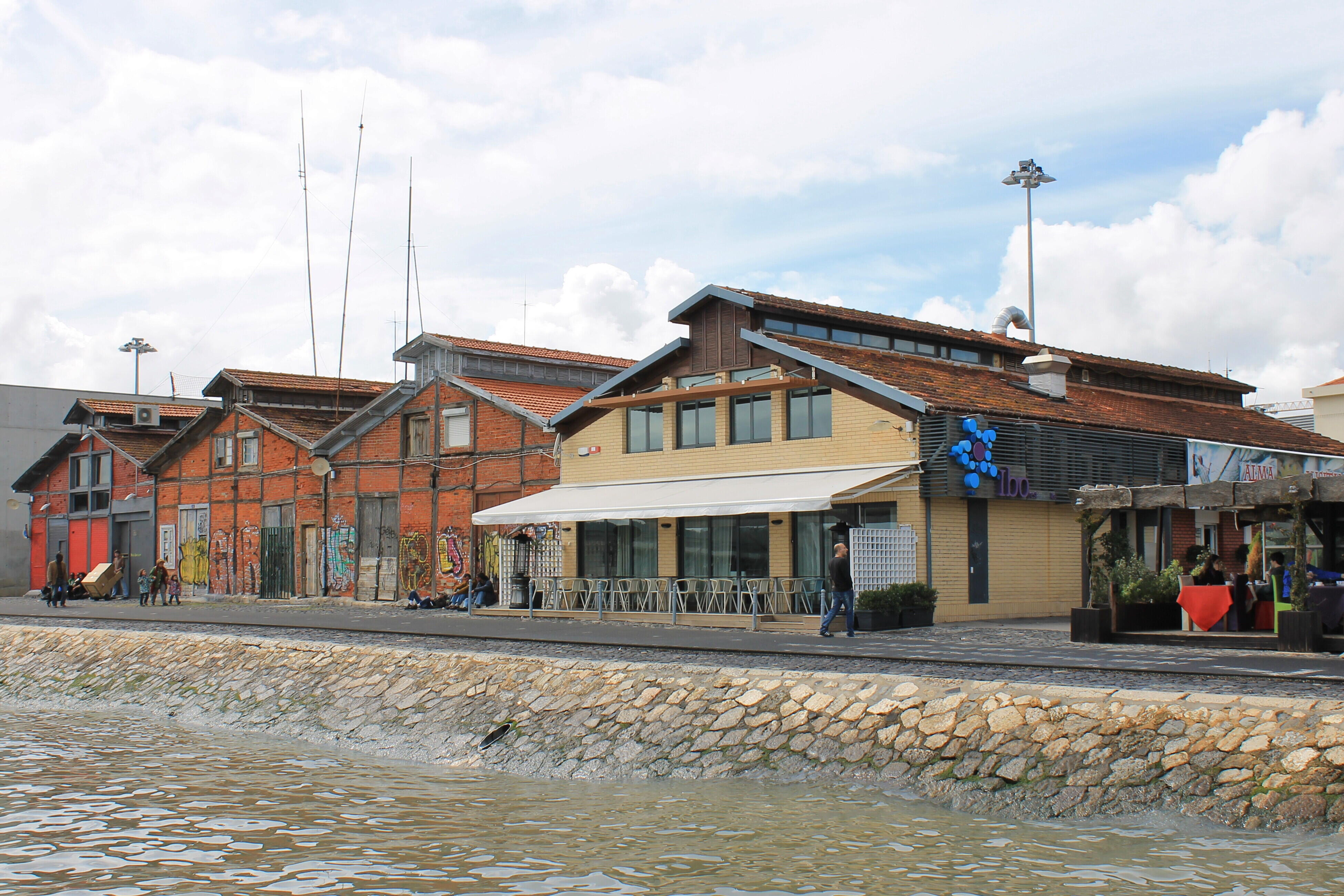
Near the Cais do Sodré station, on the banks of the Tagus River, there are four warehouses that used to house salt stores (Armazéns de Sal). The buildings have a wooden beam frame and red brick walls.
Until the mid-19th century, this area was a marshy shore where oar workshops had long been located, hence the name Sítio dos Remolares (Oar Workshop Quarter). In 1855, King Dom Luís I initiated the construction of a port that met modern requirements. Prior to this, ships were docked in the city center, in the Praça do Comércio. Over the course of 12 years, the swamps were filled in, the seabed was cleaned and deepened, and a stone pier was built to accommodate large ships. Along the pier, a series of warehouses were constructed to store various imported and exported goods, including fish and seafood, coal, salt, timber, and agricultural products from the colonies.
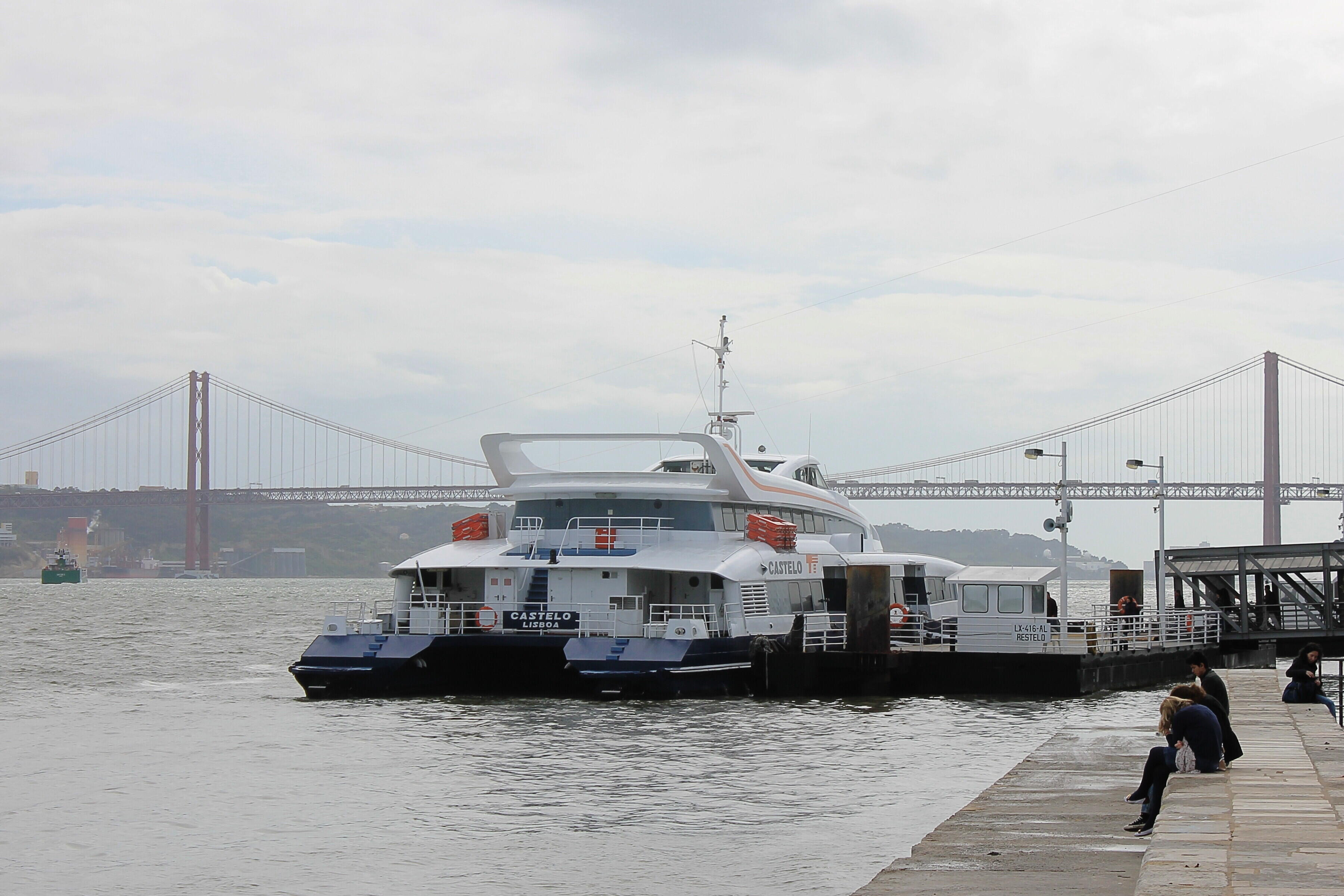
At the beginning of the twentieth century, Caixinho do Sodré was no longer a city outskirts, so the cargo port was moved to the area of Alcantara closer to the mouth of the river, where the 25 April Bridge is now located, and only passenger ships began to dock here. In the 90s, a cruise port was opened, where huge liners now dock, and now only passenger ferries dock here, connecting the center of Lisbon with the left bank of the river.
Of the long line of warehouses, only four warehouses remain, which have been turned into an entertainment and gastronomic center. Currently, the area is home to the Ibo restaurant, which offers Portuguese and Mozambican cuisine, the Vestigius wine bar, and the Capricciosa pizzeria. For those seeking nightlife, the area is home to the Jamaica, Tokyo, and Europa clubs, the Titanic Sur Mer concert venue, and the B.Leza African music club. In one of the warehouses, the famous street artist Vhils opened the Underdogs Art Store, an art space dedicated to urban art.
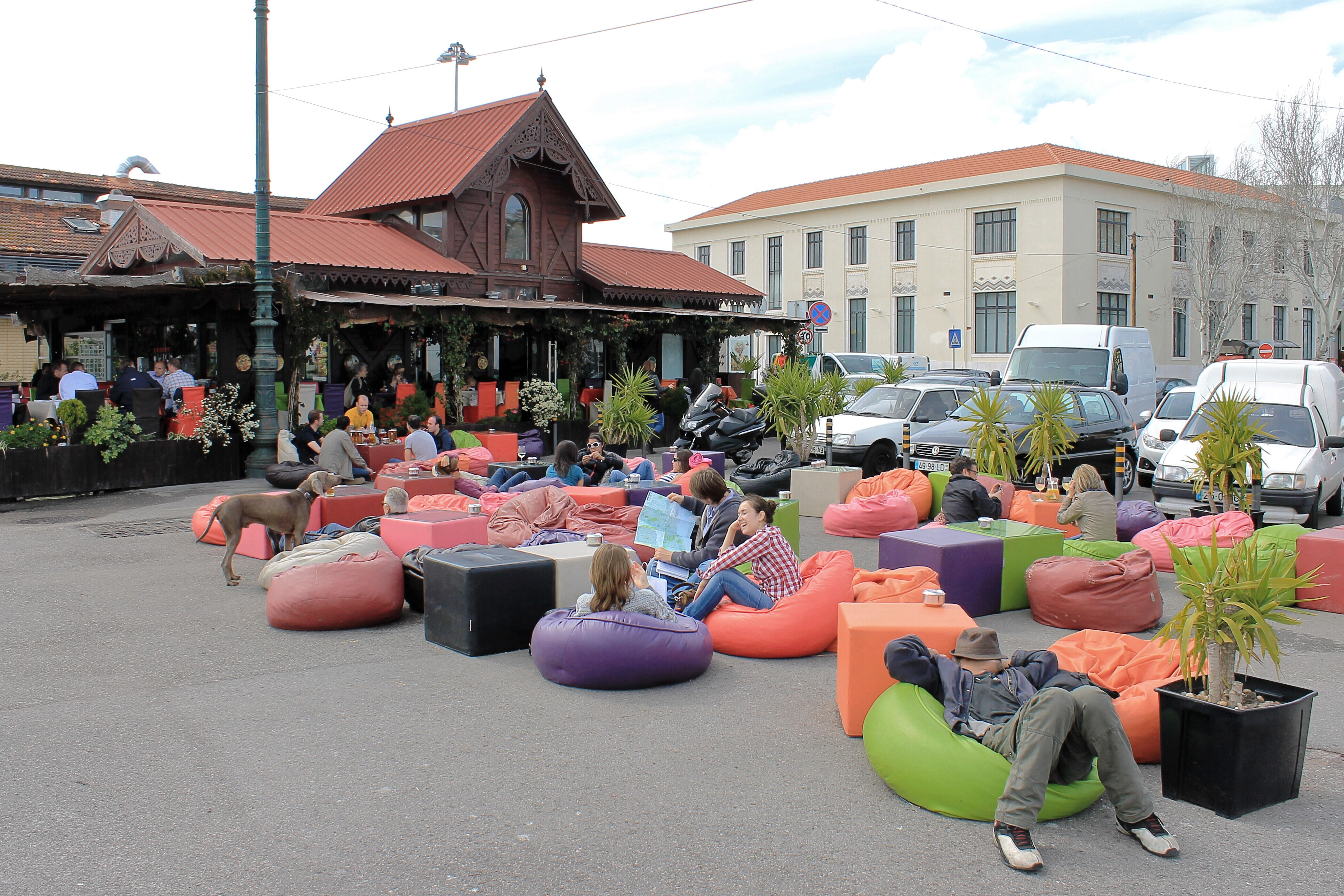
If you don't have time for clubs and restaurants, at least try the famous Portuguese ice cream, Santini.
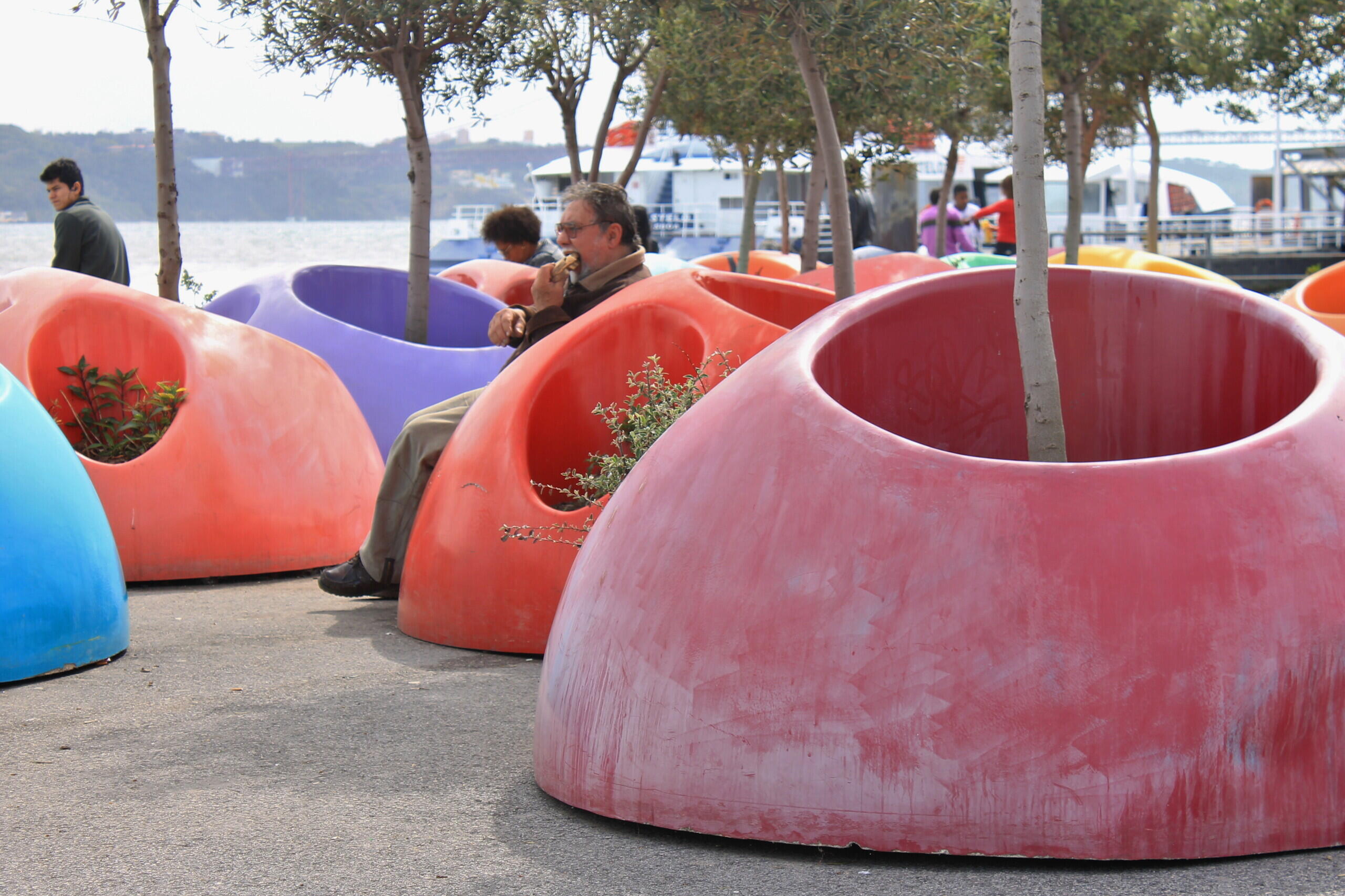
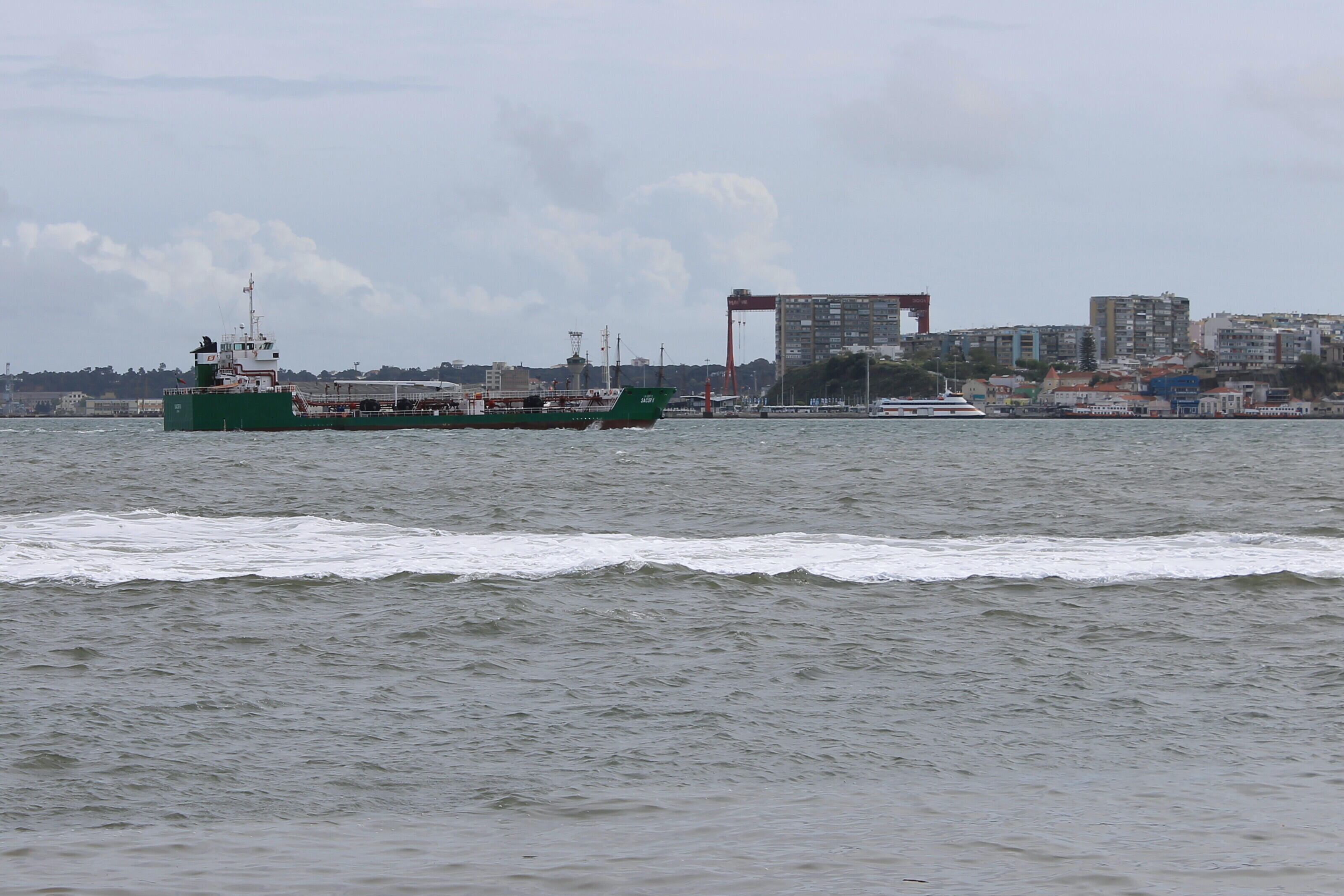
Sitting on a bench with an ice cream, you can admire the vastness of the Tagus River, which is up to seven kilometers wide in the city.
Avenida Ribeira das Naus runs along the coast from Cais do Sodré, paved with white stone and stretching to Praça do Comércio.
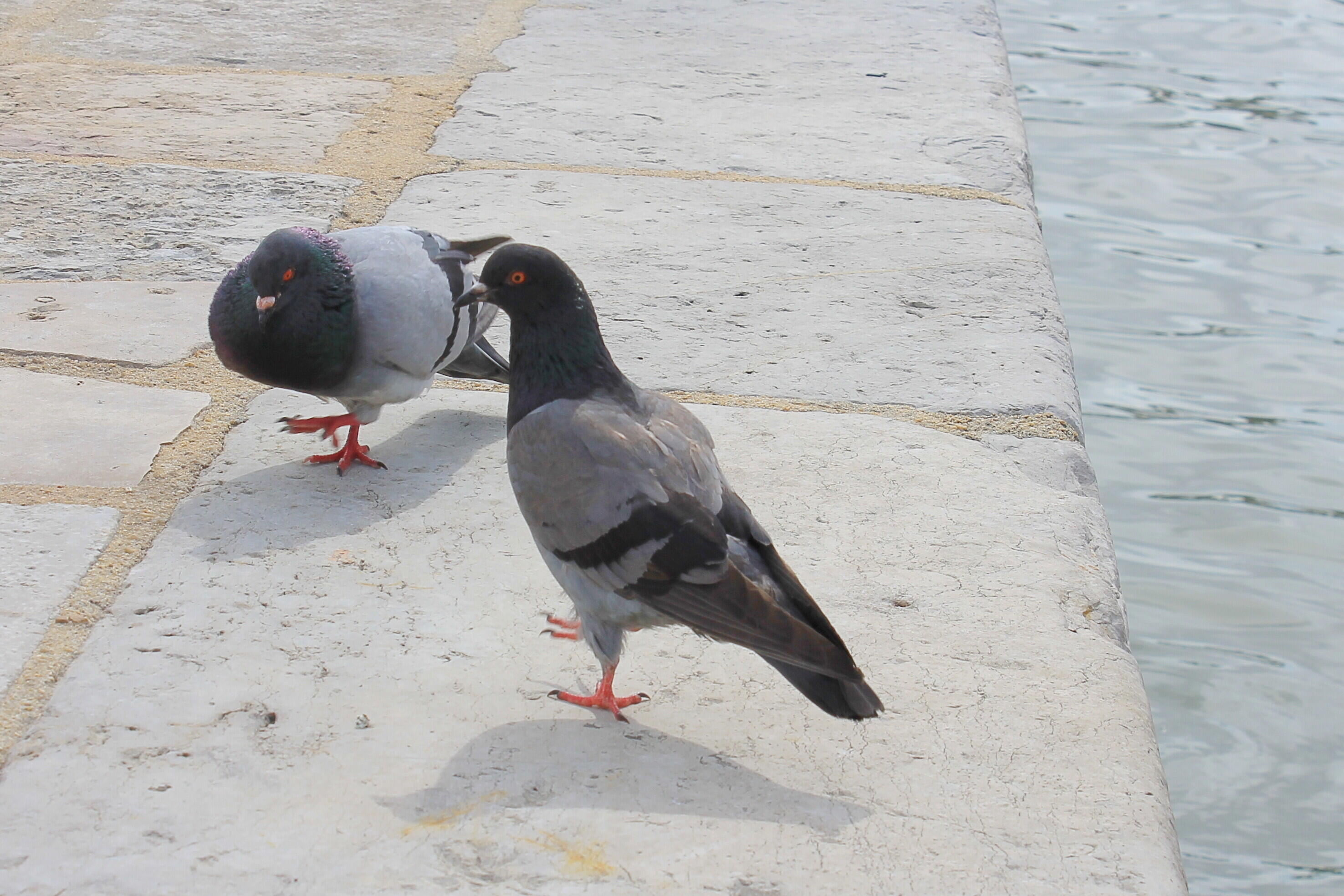
This walking area is popular among both tourists and locals.
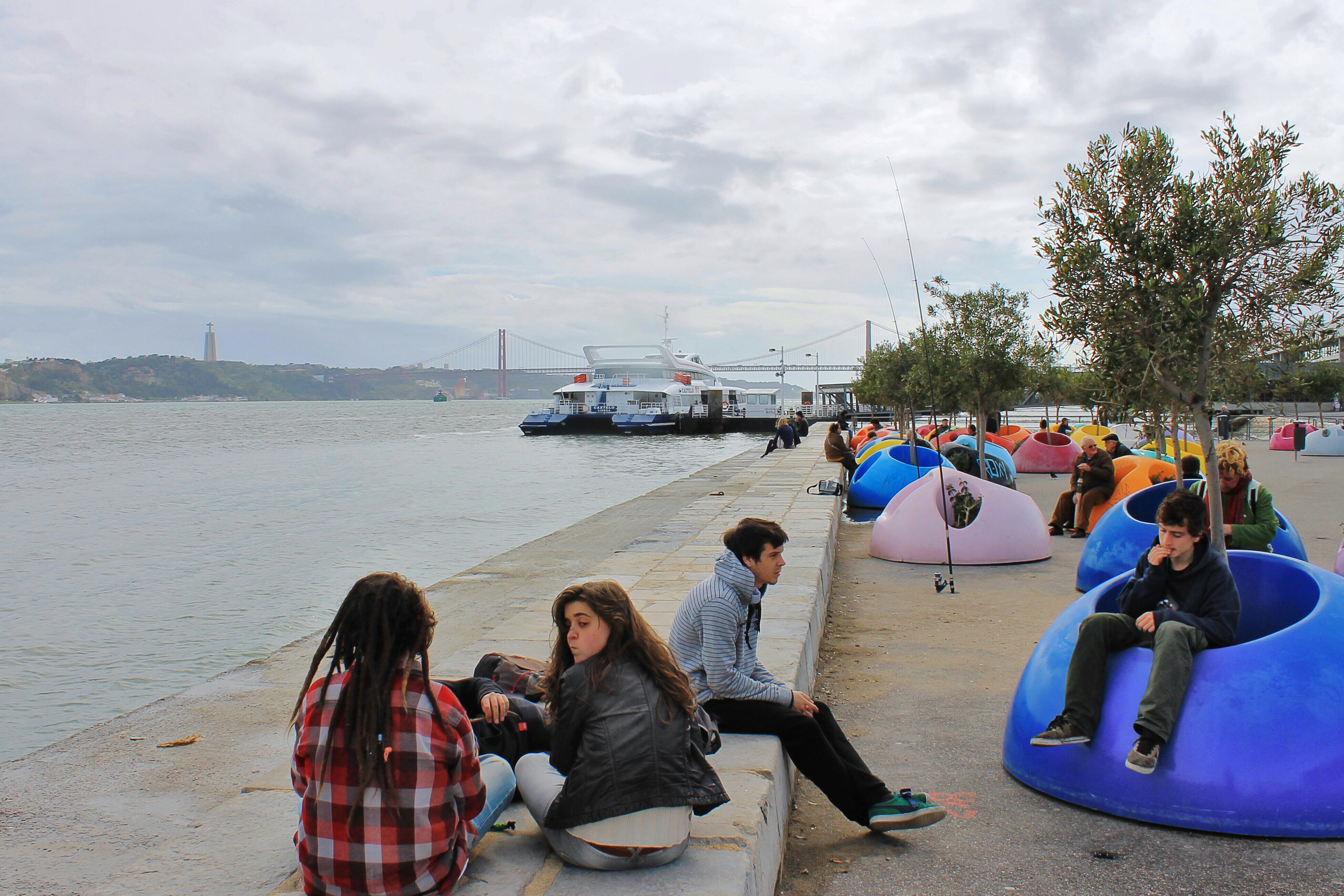
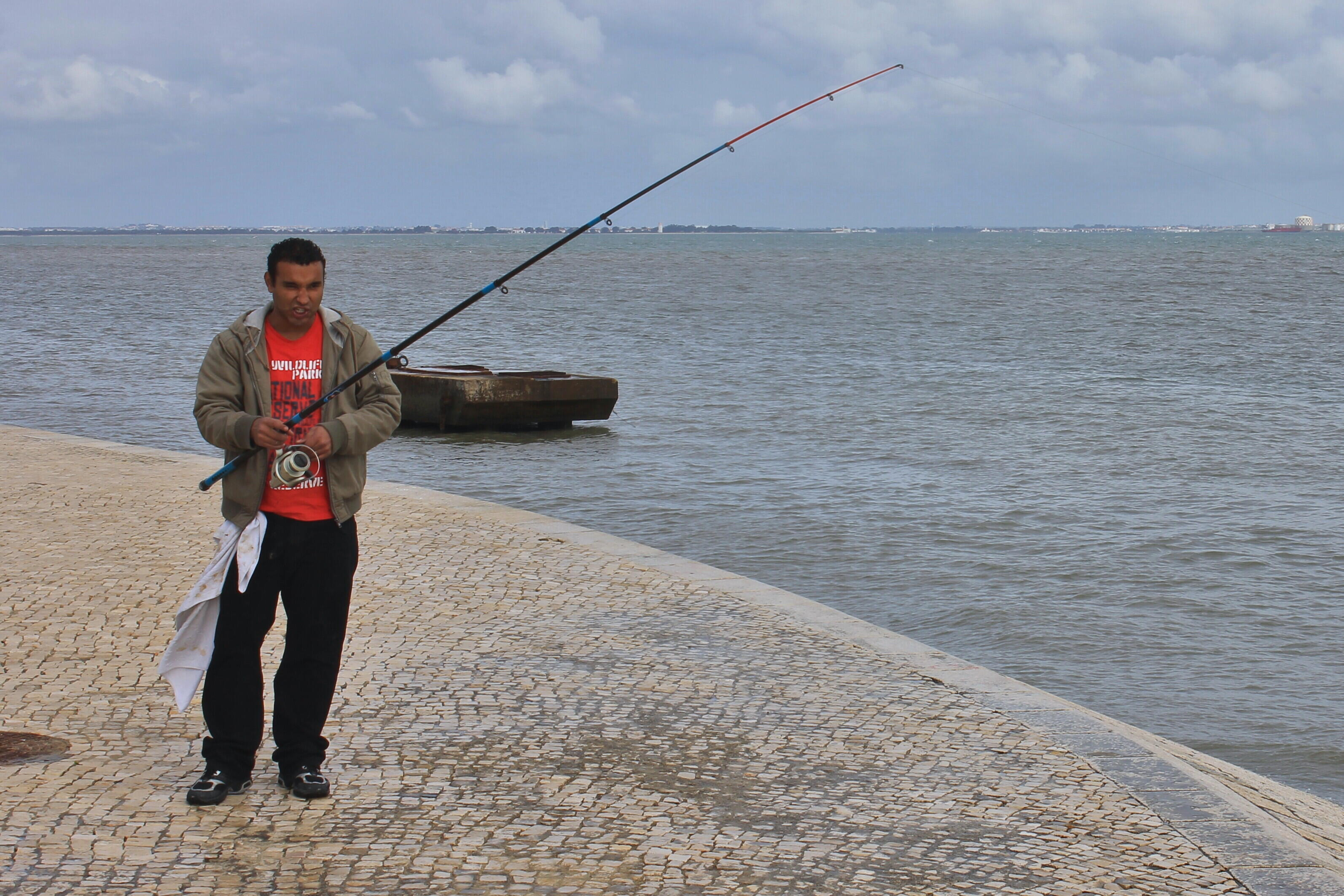
Here you can also meet lovers of fishing.