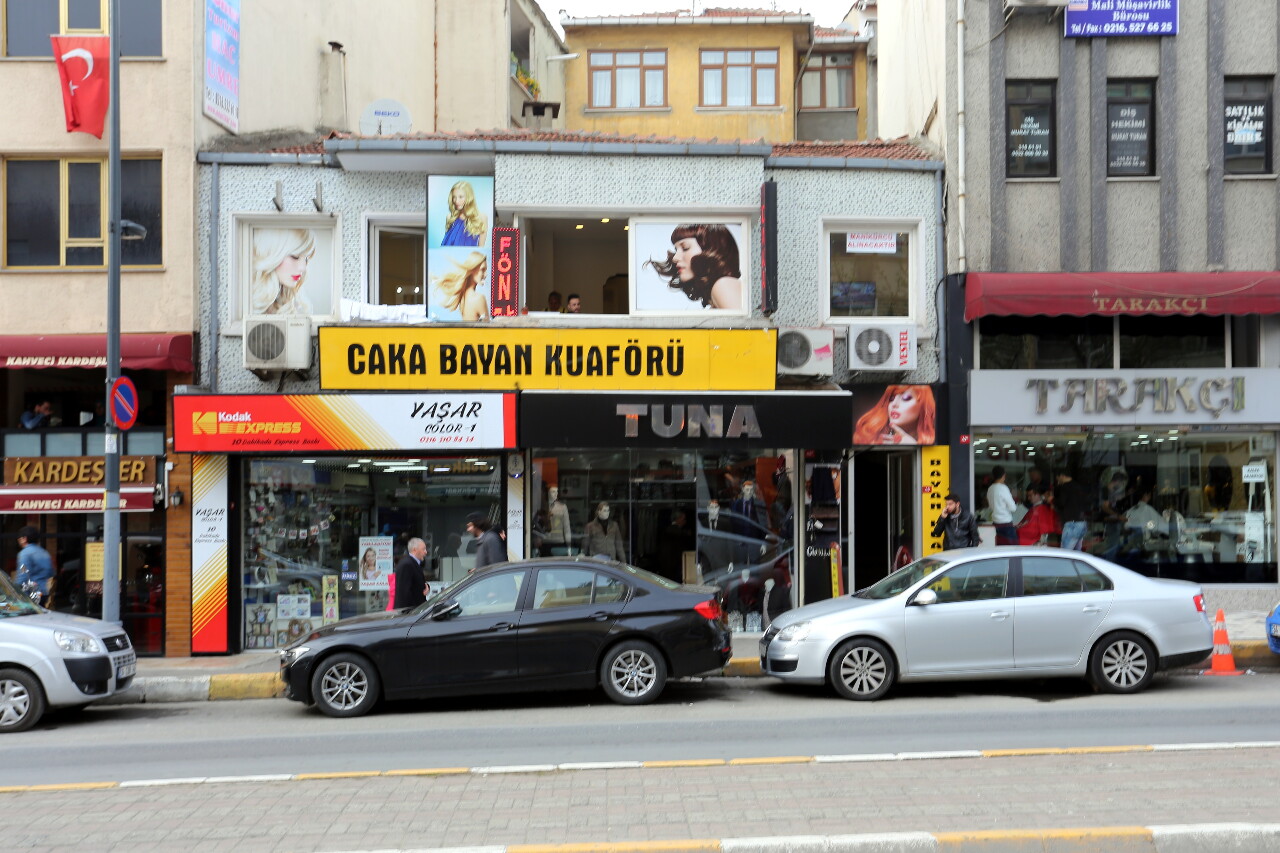
Selmani Pak Caddesi
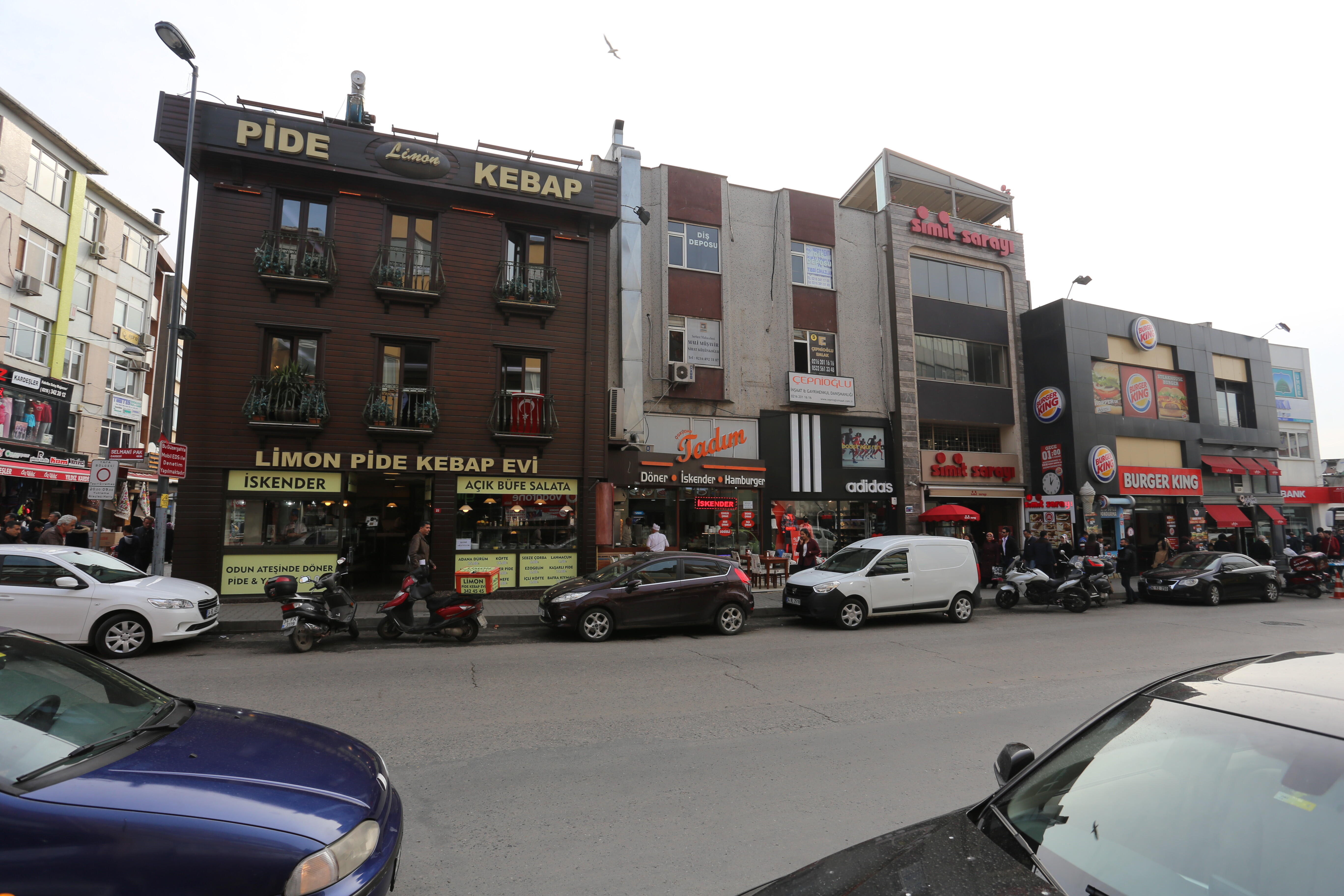
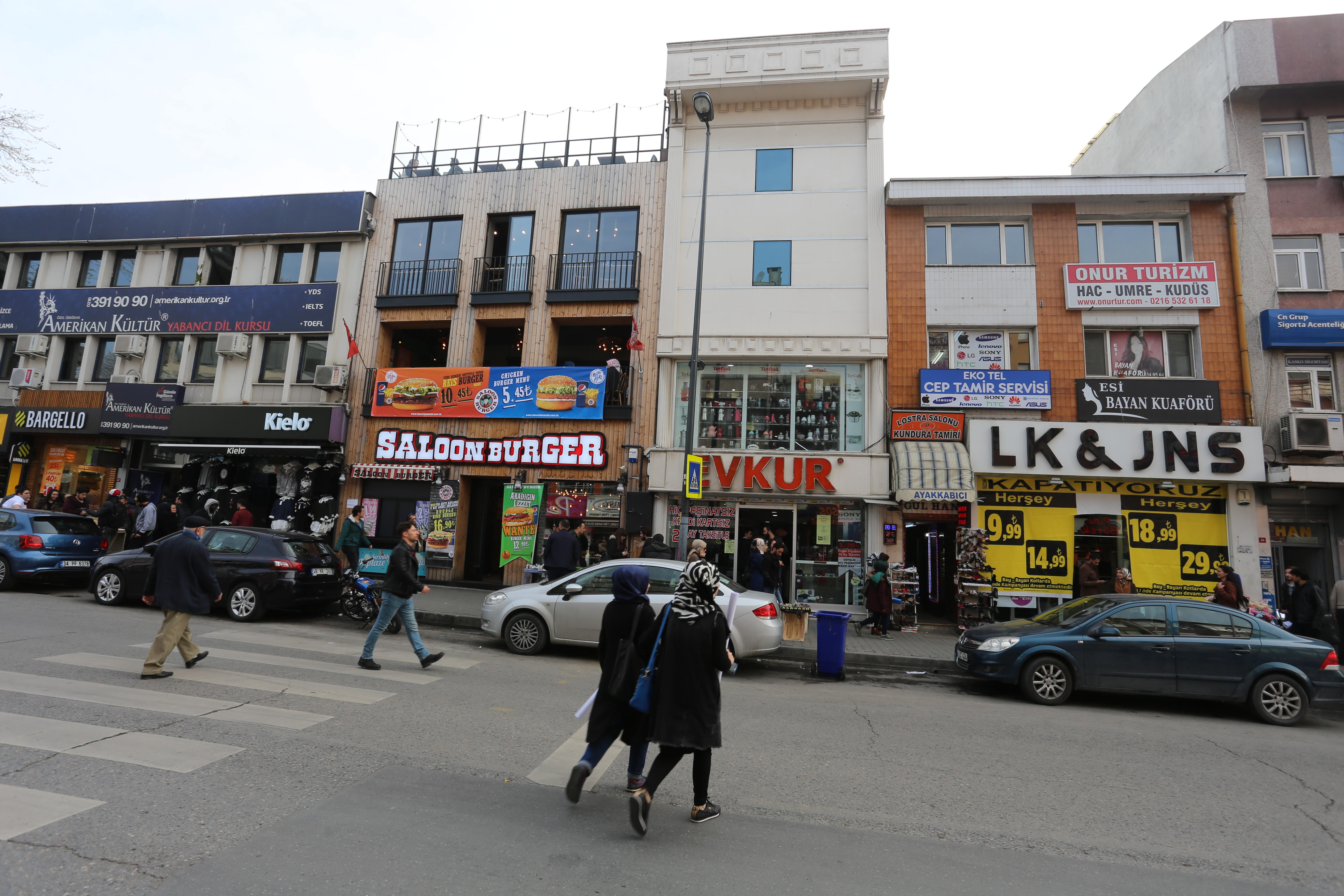
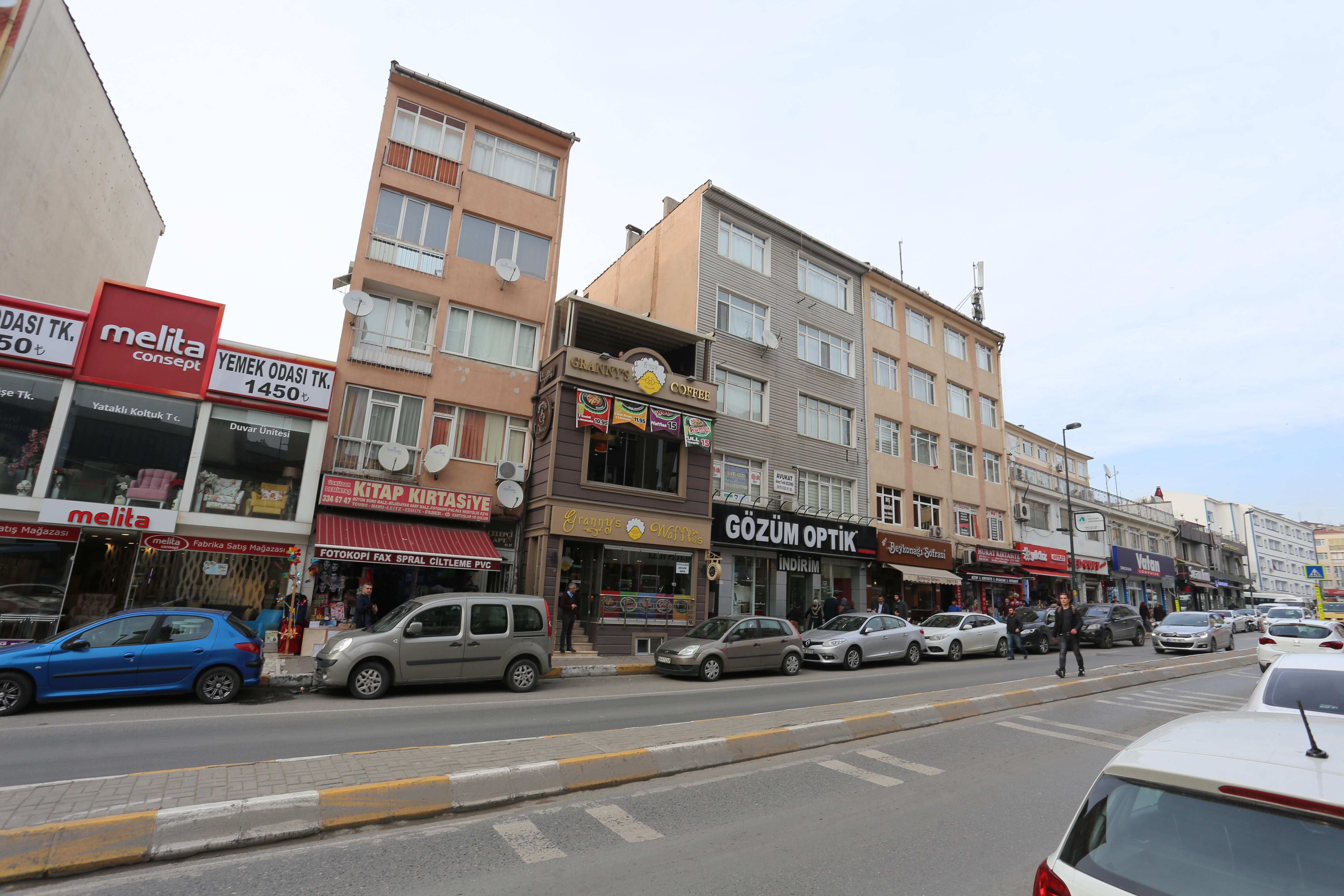
The main street of the Uskyudar district originates very close to the ferry piers, to the right of the mosque is the Mihrimah Sultan Mosque and stretches for one and a half kilometers to the Bulbulderesi cemetery (Bülbülderesi Mezarlığı). For centuries, the gentle rise from the Bosphorus embankment inland has served as the most important transport and trade artery.
The street began to be built up in the Ottoman era. Originally, there were traditional wooden Ottoman houses, mosques, dervish monasteries (dergahs), and hammams.
In the first half of the 20th century, the street was an important part of Istanbul's transportation network, with the Uskudar tram running along it.
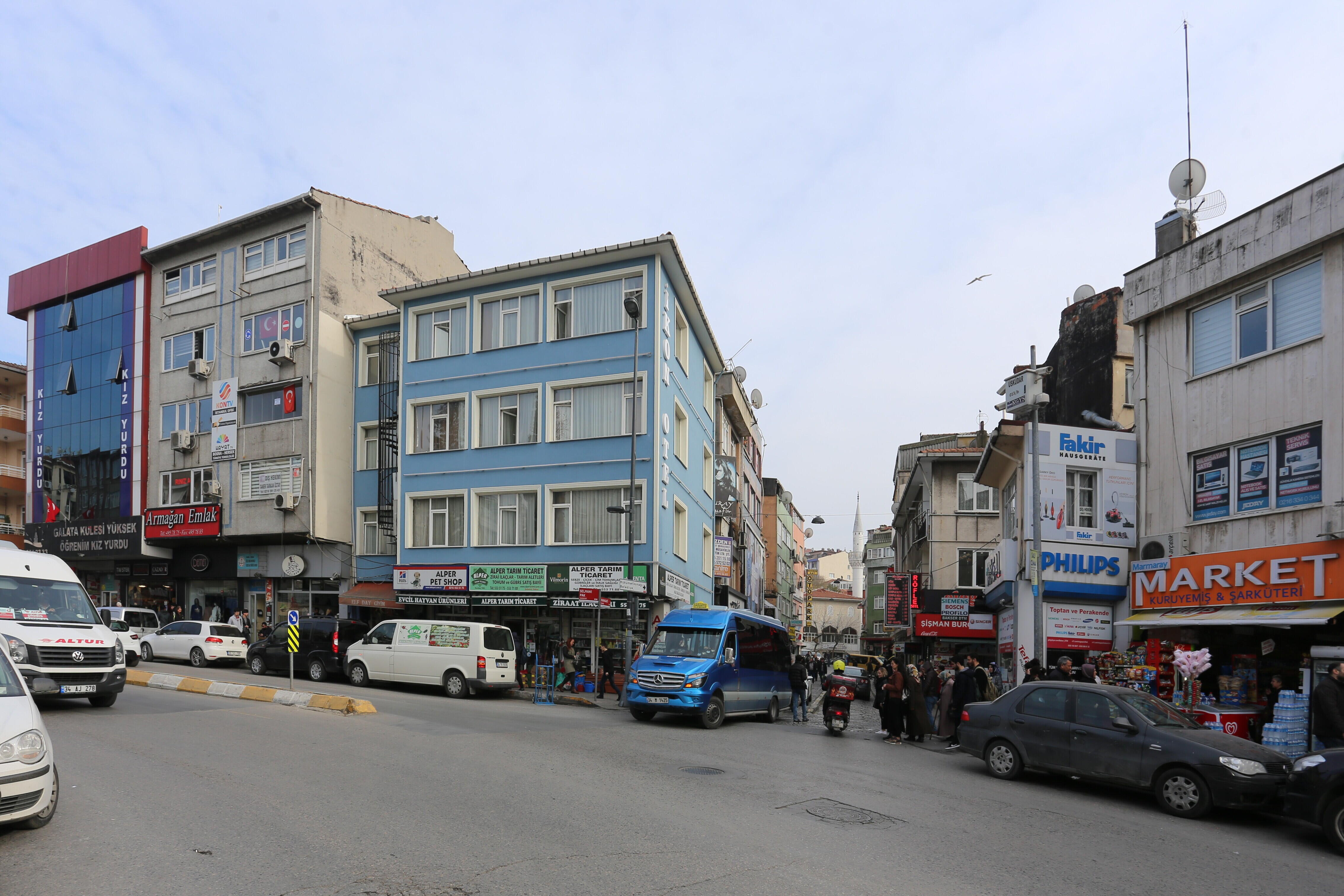
Due to its steep terrain (approximately 6% slope) and proximity to the sea, the street offered an interesting perspective and was frequently depicted by Istanbul artists and photographers during the first half of the 20th century.
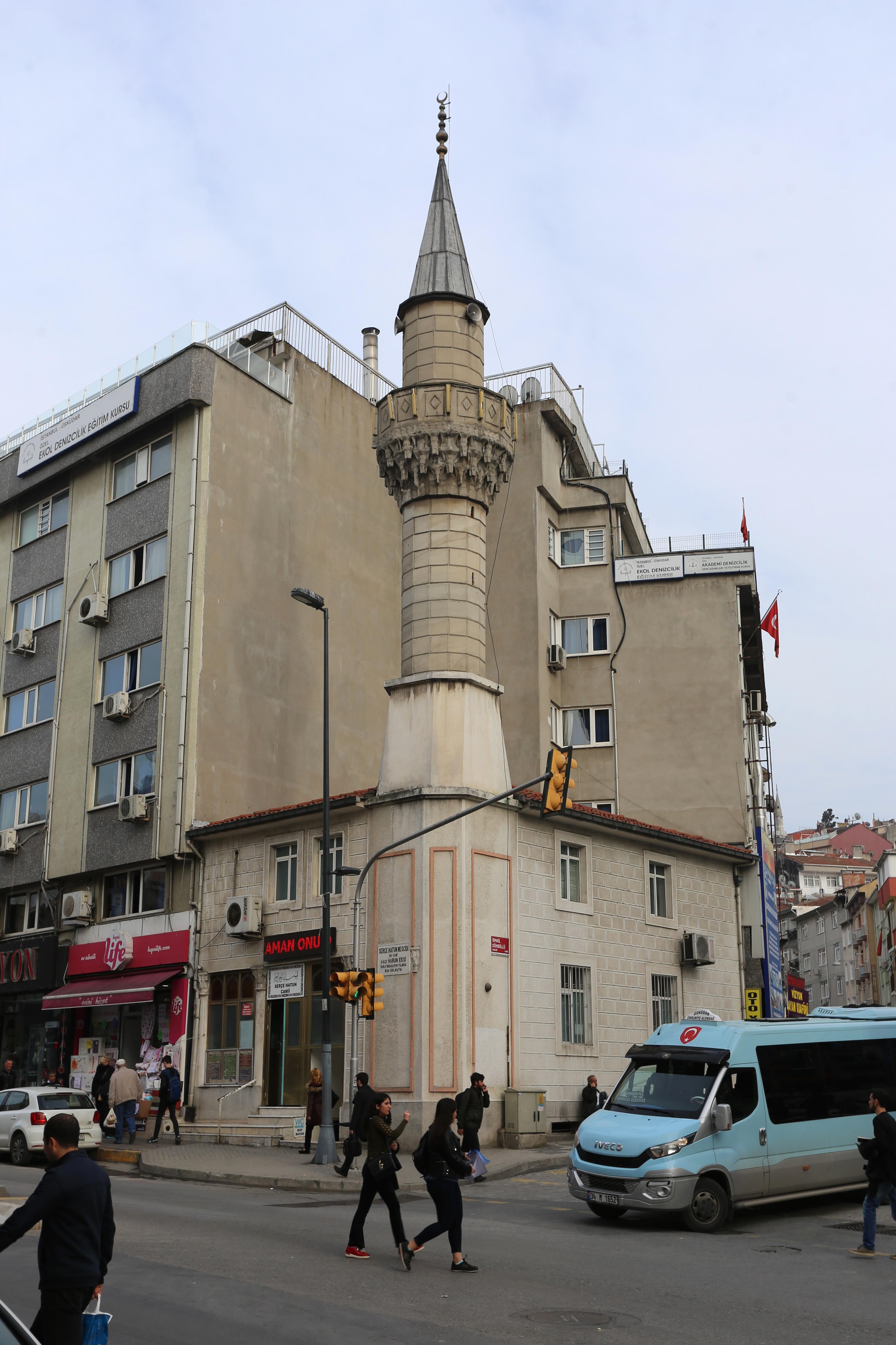
In 1966, as part of the city's modernization, the tram tracks were completely dismantled, and the street was rebuilt for vehicular traffic and expanded with wider sidewalks.
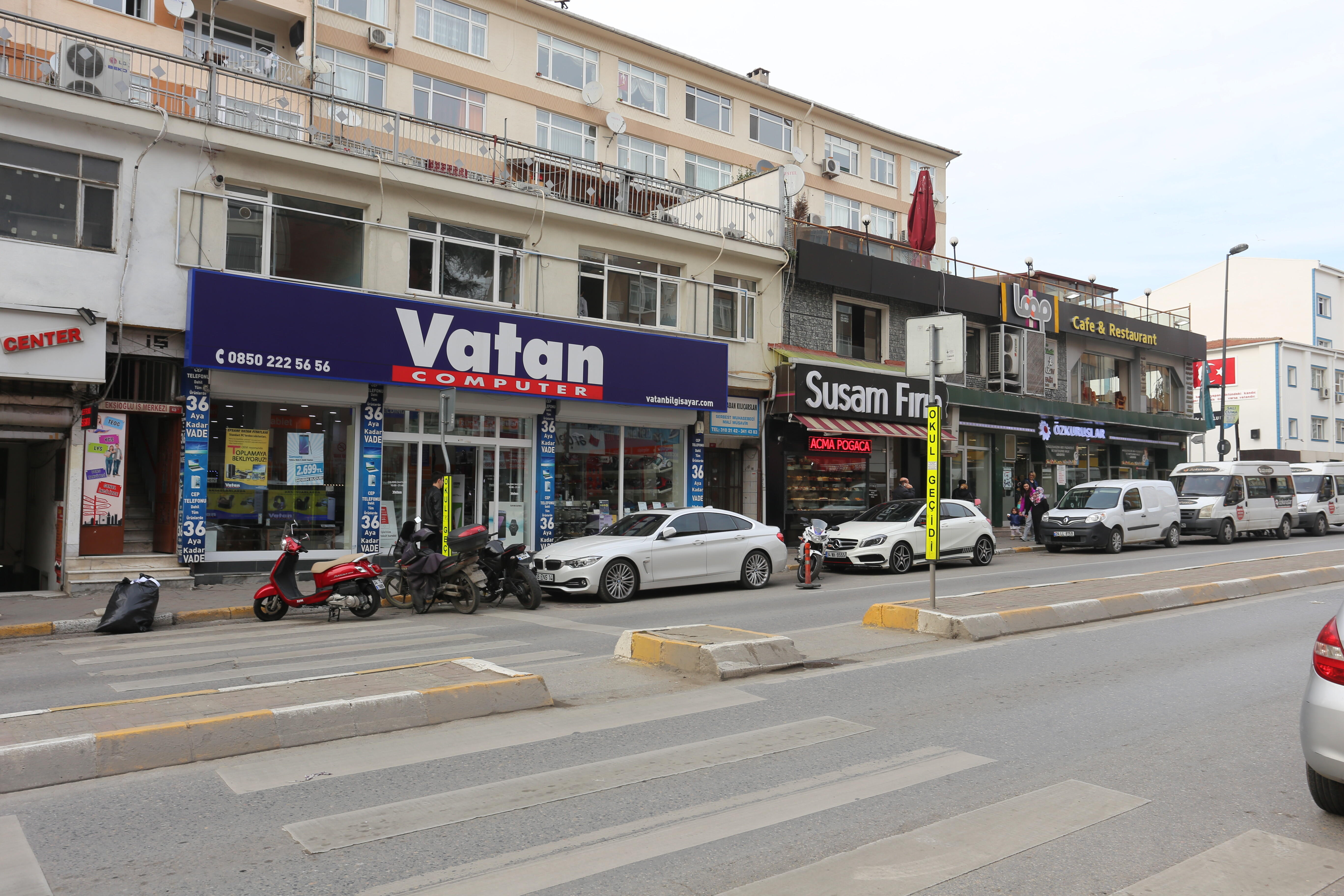
Now the street has a residential development of the second half of the twentieth century, but you can still see a few stone and wooden buildings of the Ottoman era.
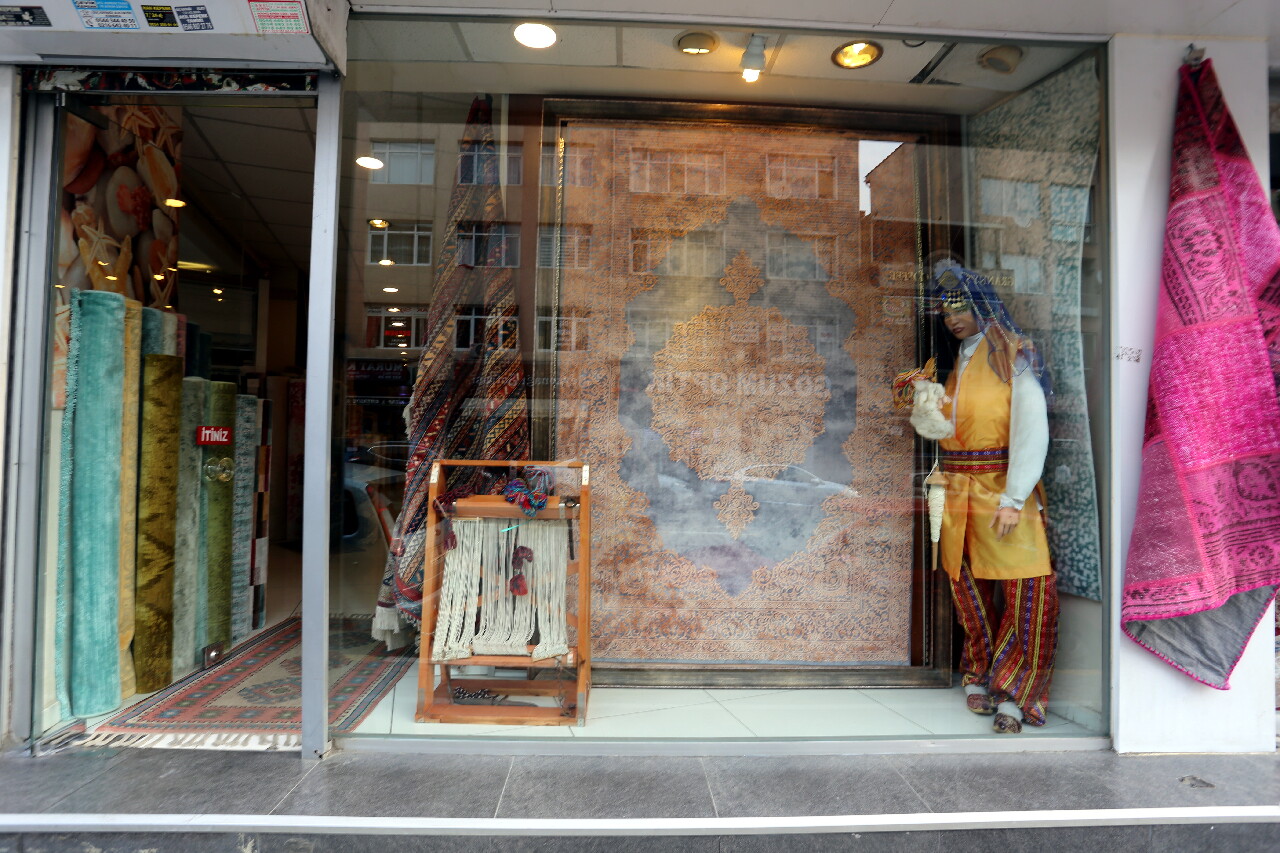
There are numerous shops, cafes, restaurants, including Kanaat Lokantası. This is one of the oldest restaurants of traditional Ottoman cuisine in Istanbul, opened by Balkan migrants in 1913.
The street was named after the Battle of Selman-i Pak in November 1915, where the Ottoman army halted the British advance on Baghdad. Selman-i Pak, in turn, was named after Salman ibn Abd al-Rahman, a Persian companion of the Prophet Muhammad who converted from Zoroastrianism to Christianity and then to Islam. He became famous during the famous Battle of the Medina Moat, which took place in 627 AD and was a turning point in the development of Islam. An army of pagans from Mecca, numbering up to 10,000 soldiers, marched towards Medina (Medinat al-Nabi, the city of the Prophet) in Saudi Arabia, intending to completely destroy the Muslims. The city's defenders were three times smaller in number, but Selman-i Pak suggested constructing a deep moat around the city. This fortification was known in Persia, but it was not known in the Middle East, and when the enemy cavalry came up against it, they were completely confused and did not know what to do next. The Muslims took advantage of this and defeated the pagan army. Since then, Muhammad has referred to the Persian as a member of his family. Thus, this street commemorates two important military victories of the Muslims.