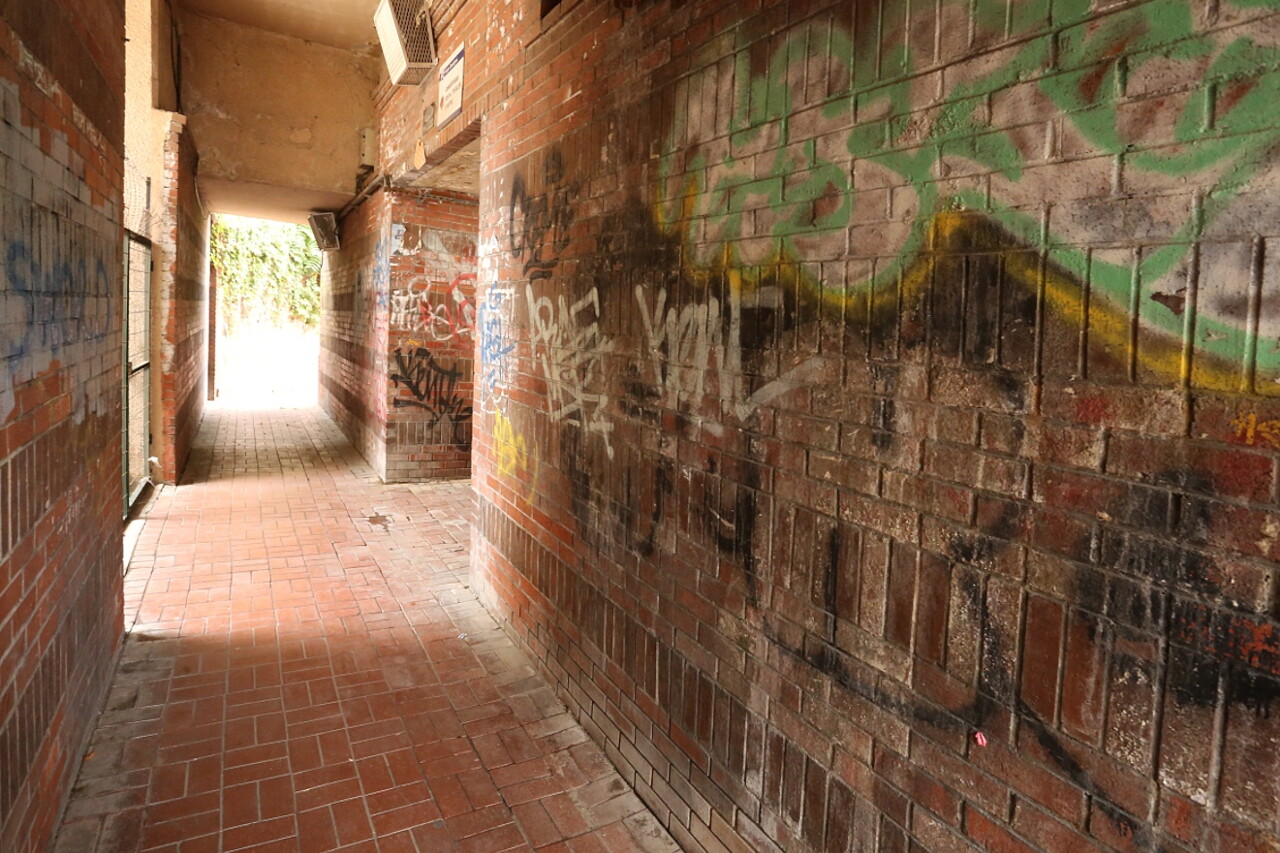
Cankurtaran Meydanı
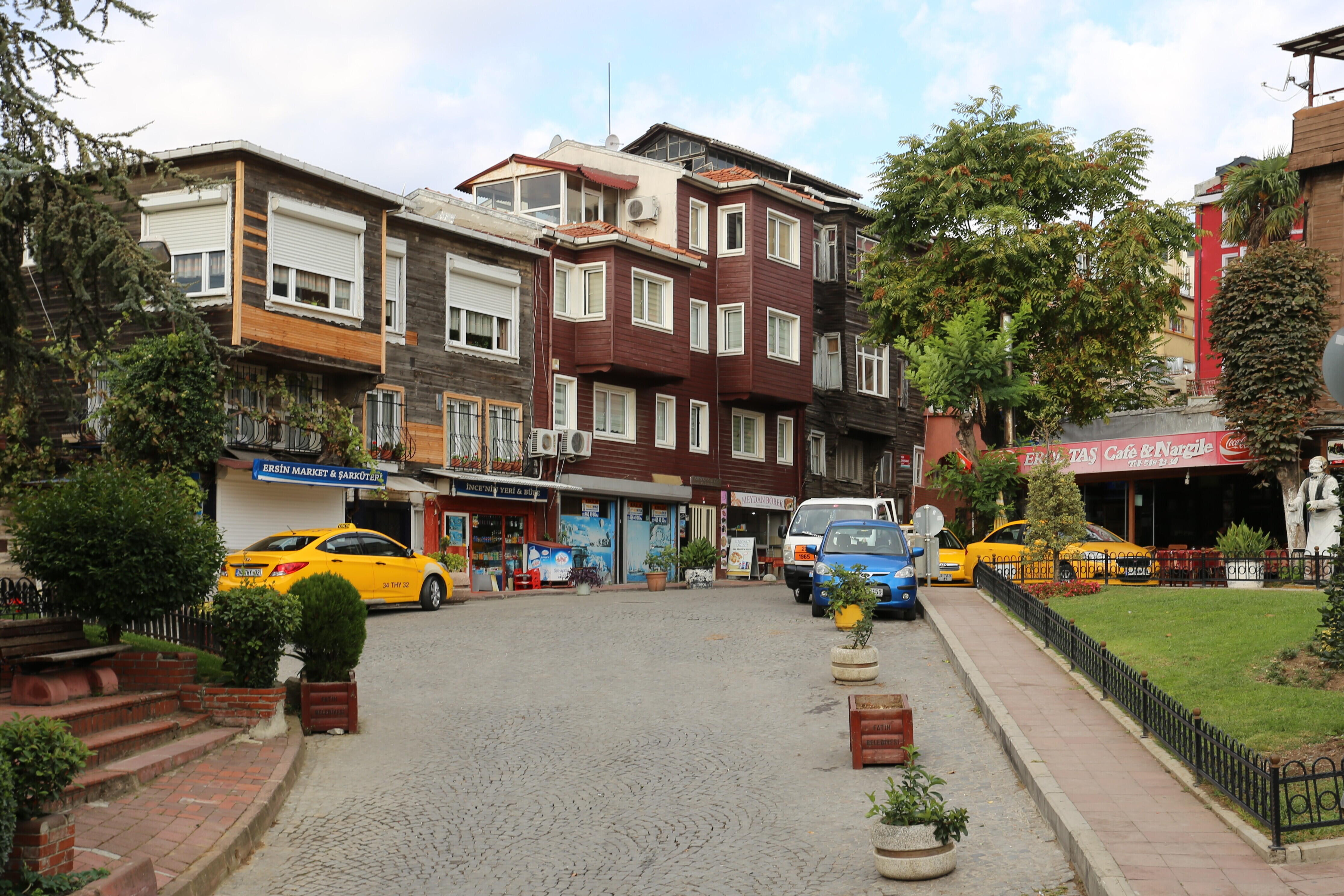
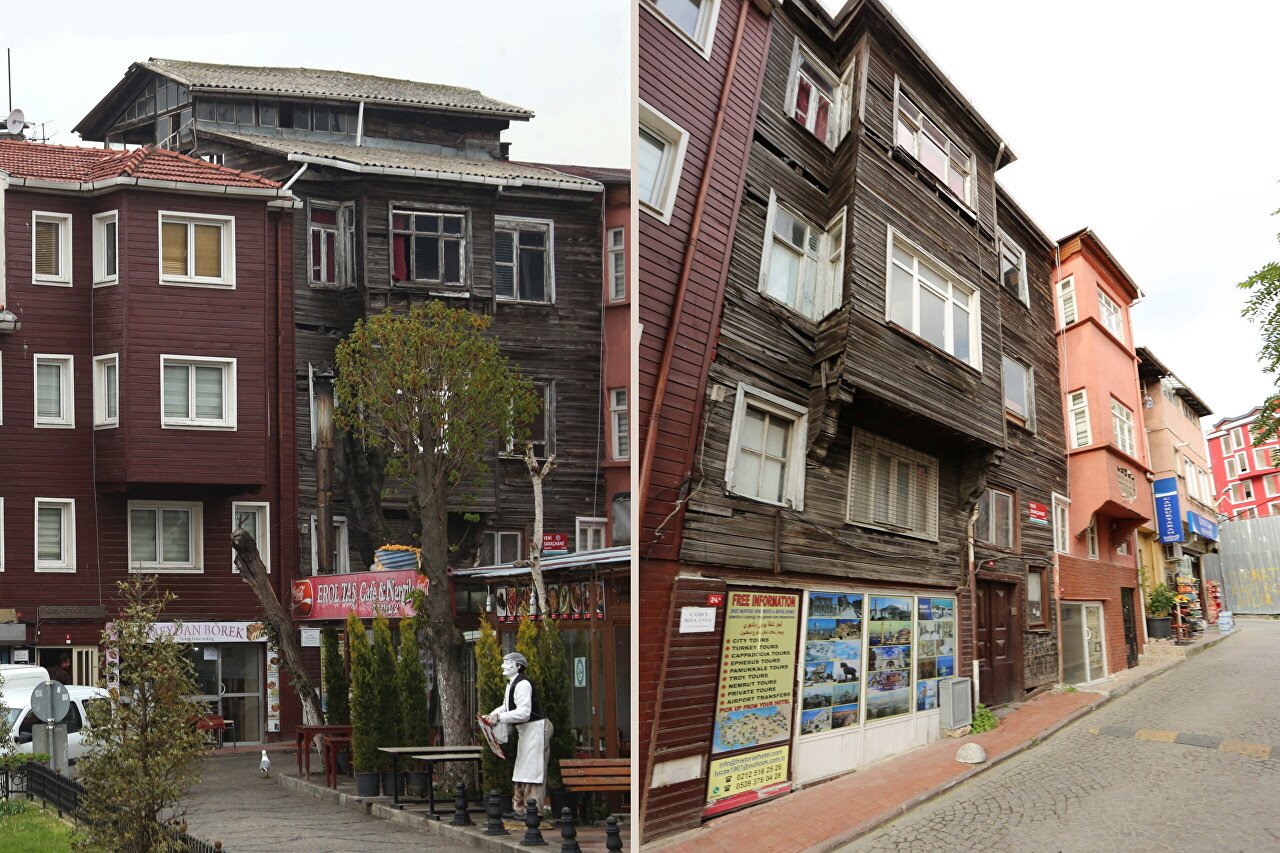
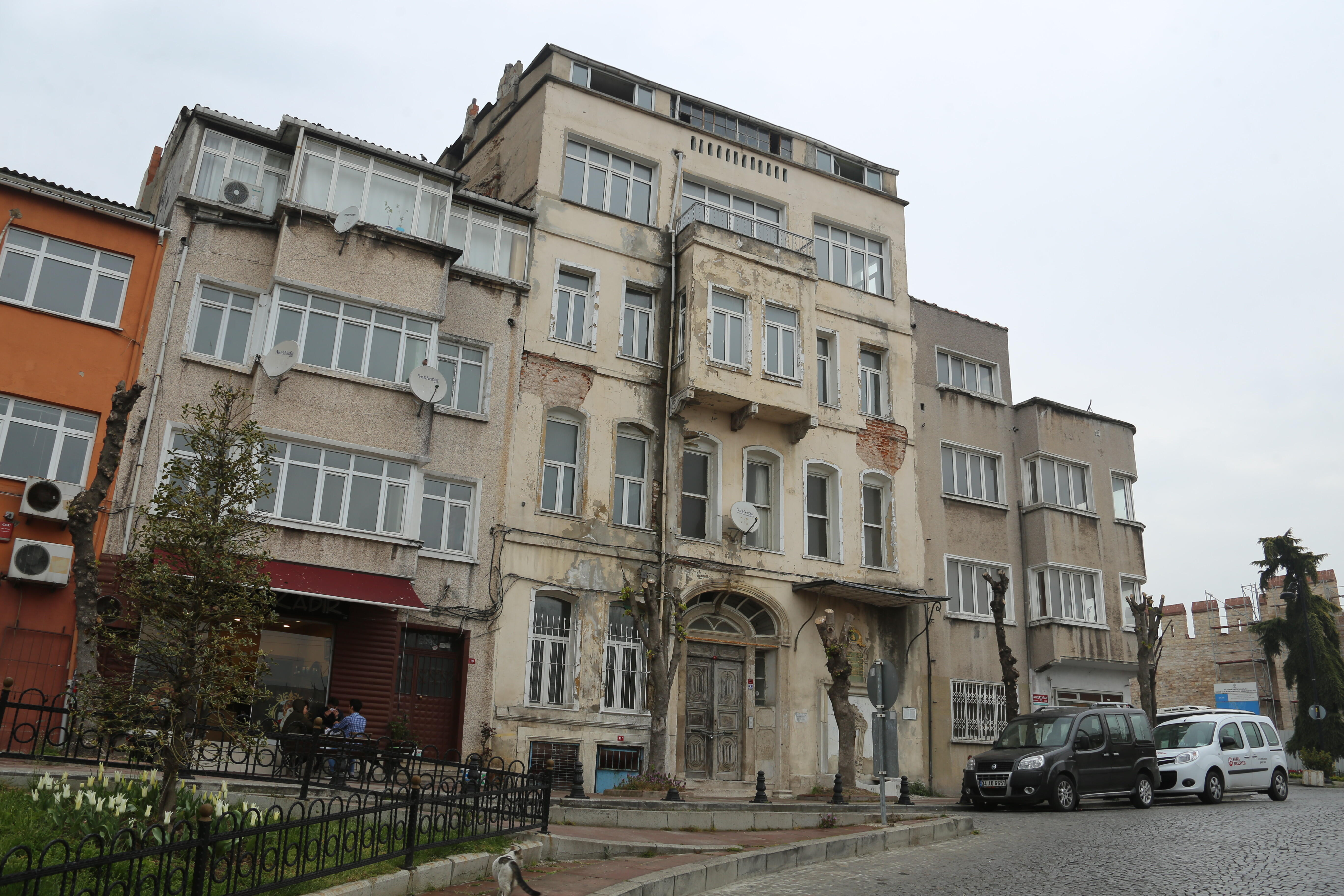
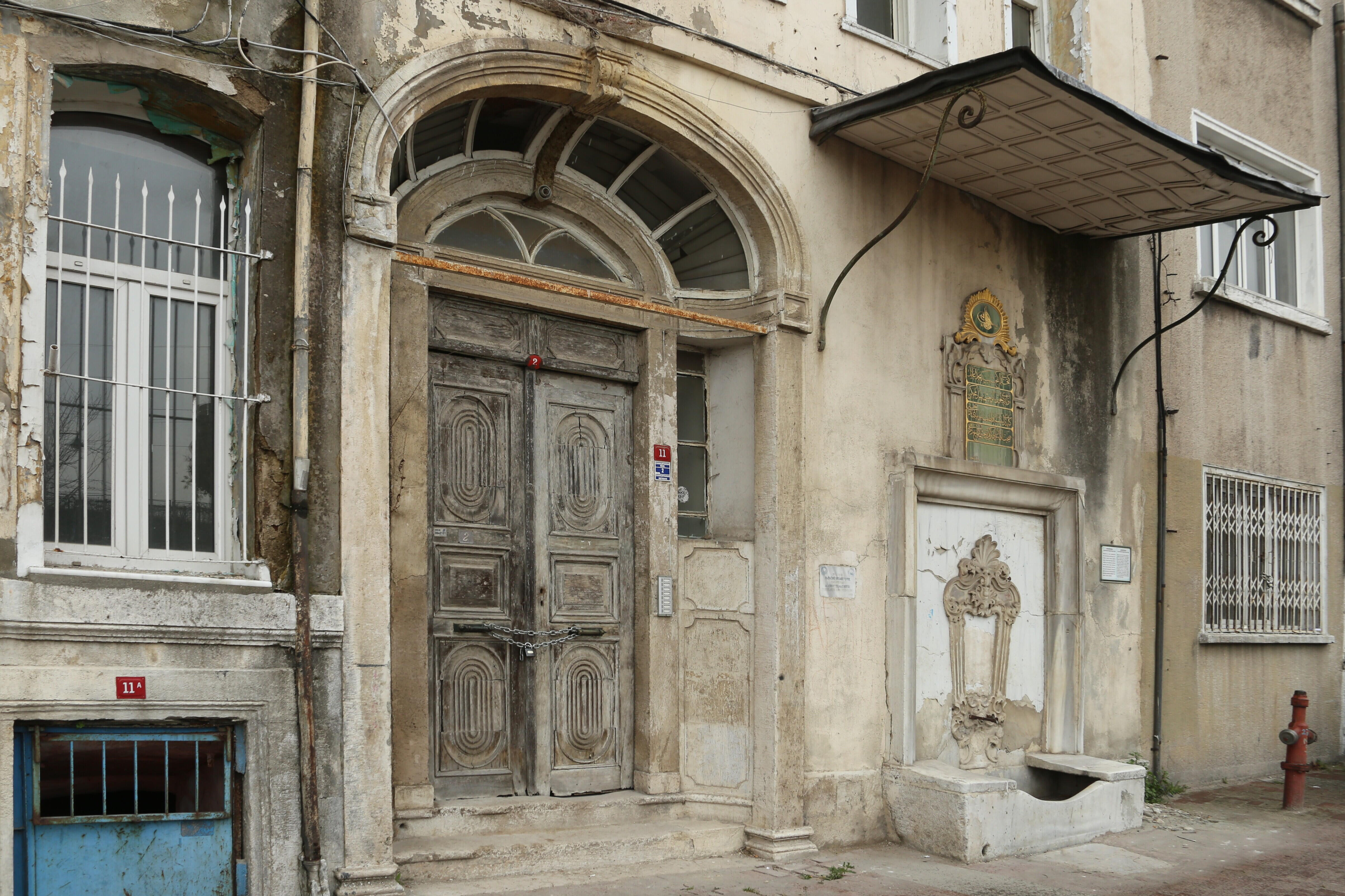
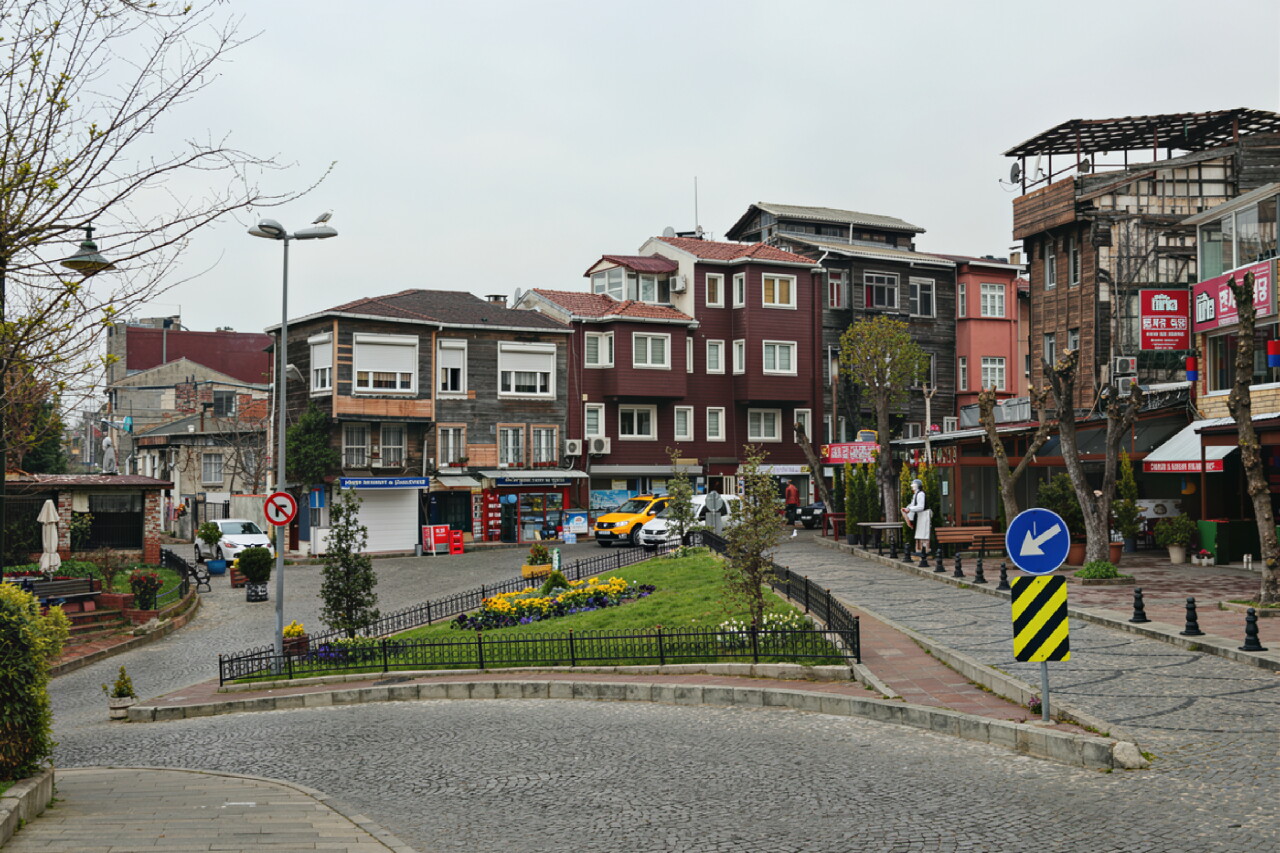
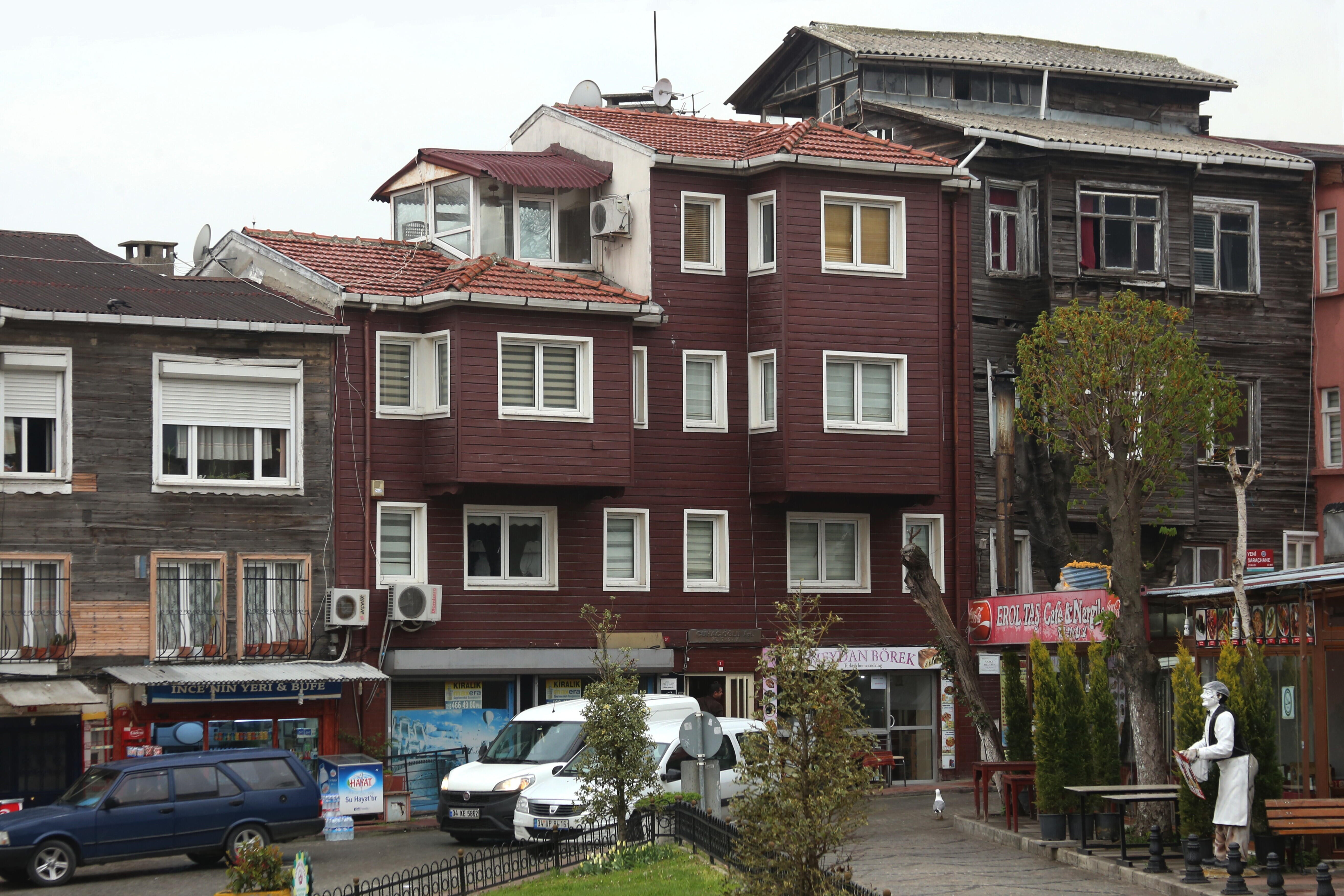
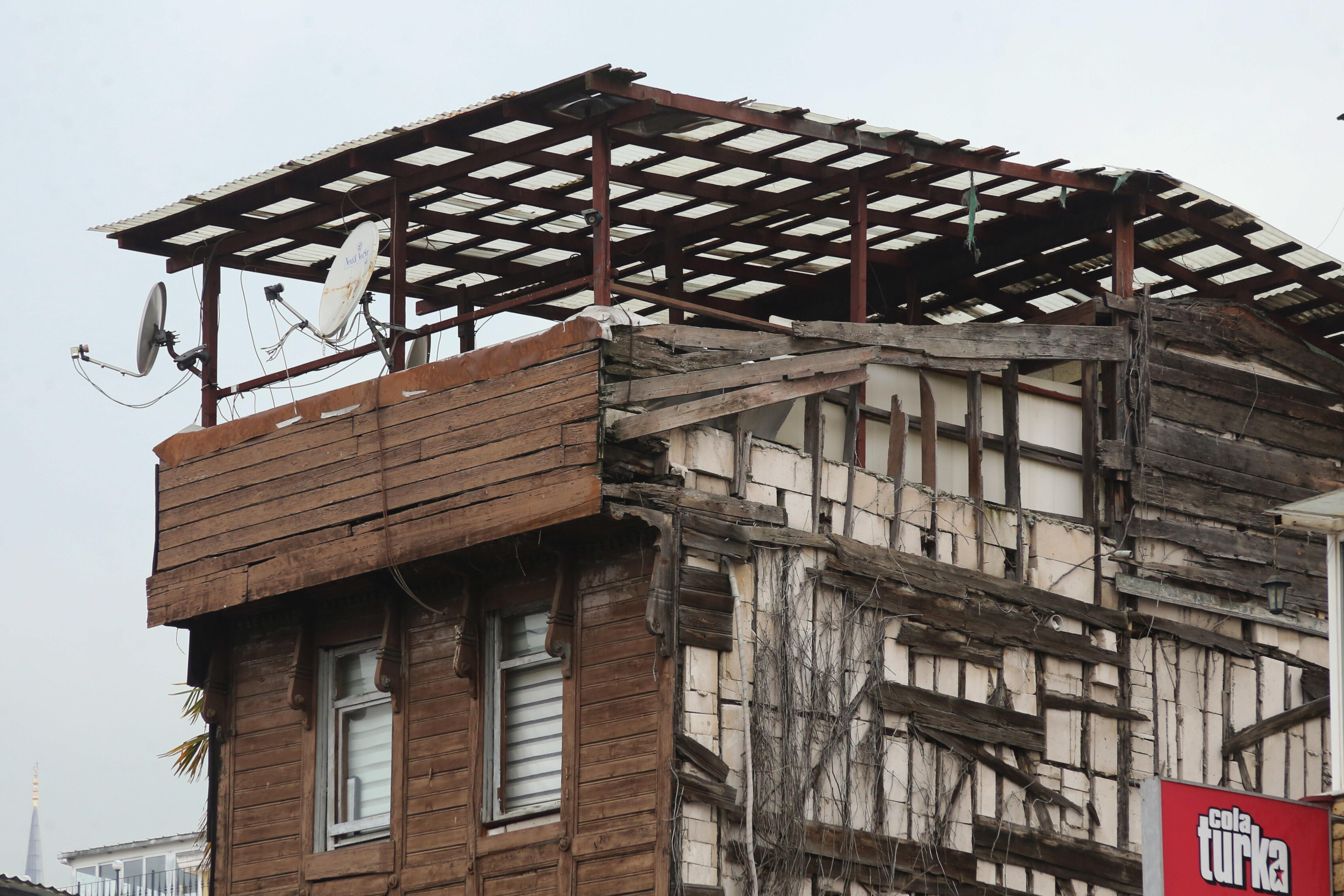
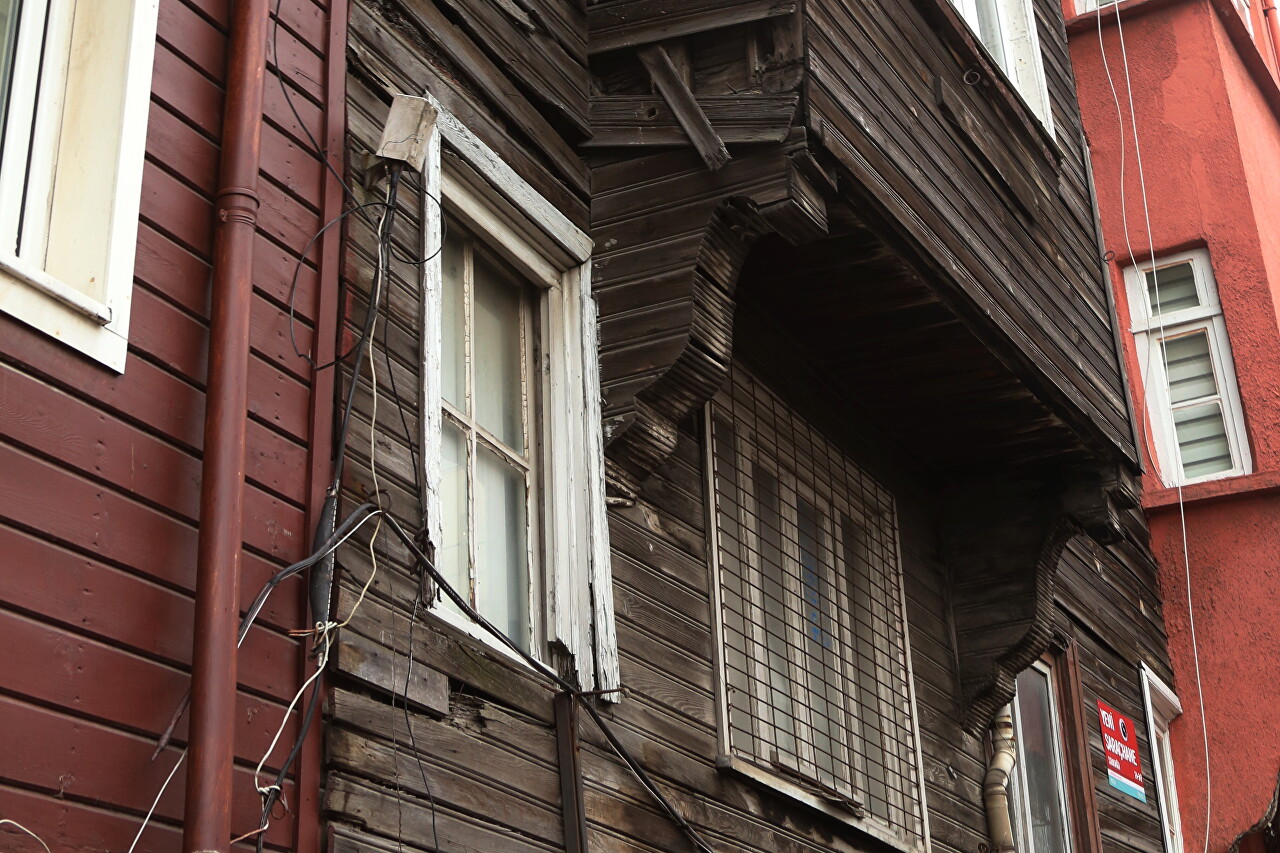
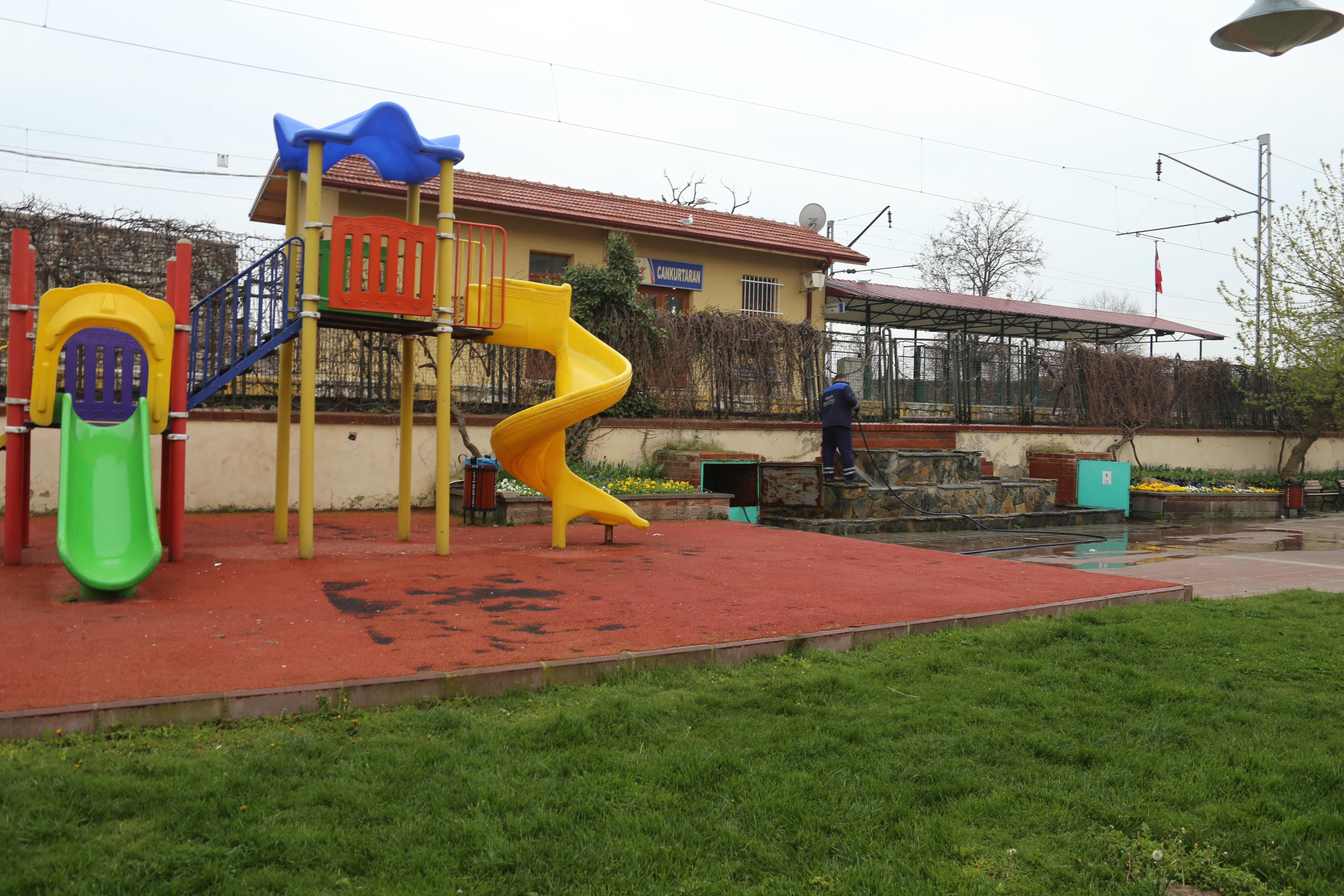
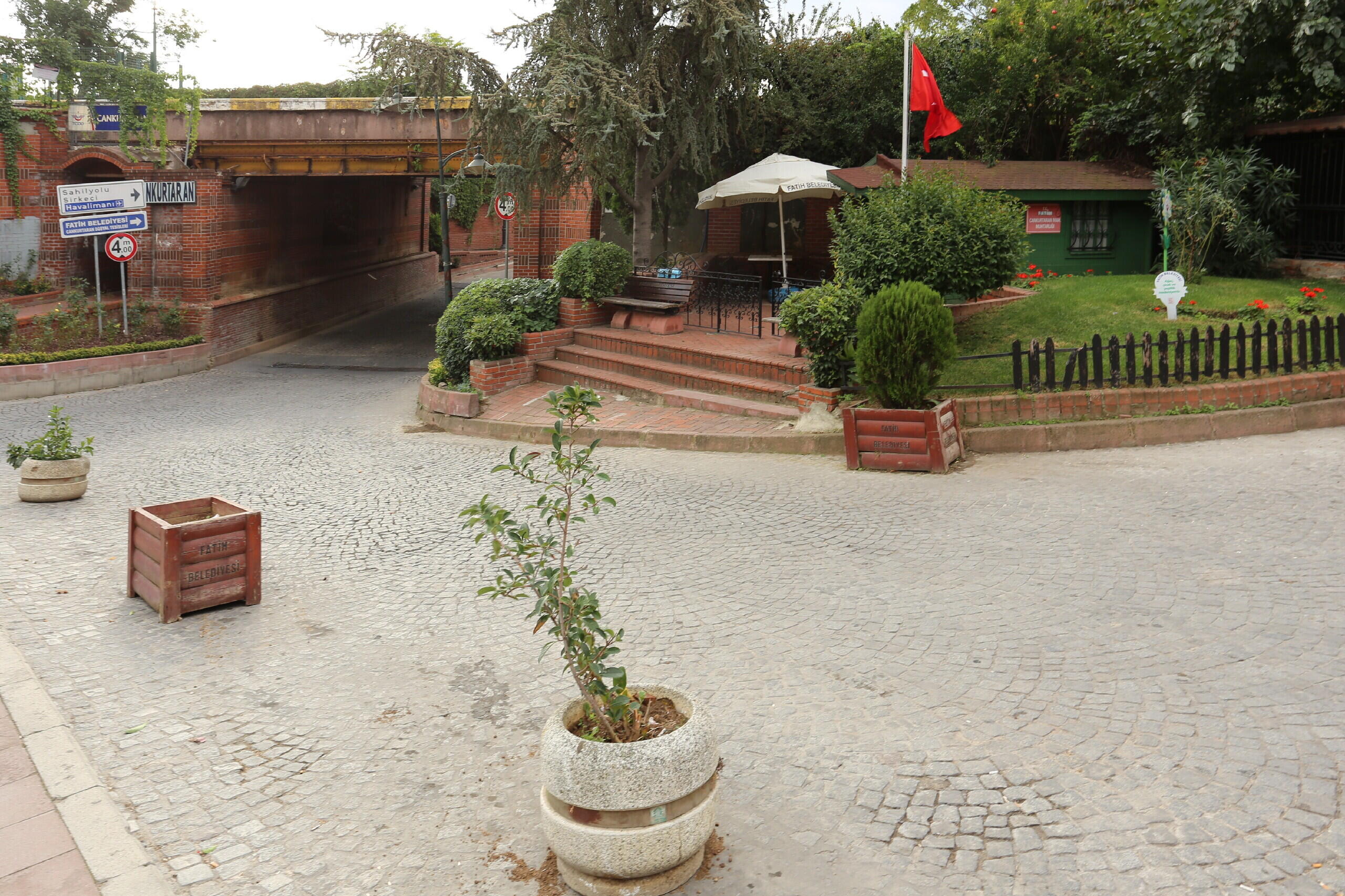
Yeni Saraçhane Sokak led me to the square, which is the center of the area that occupies most of the Sultanahmet Peninsula. The Cankurtaran quarter has been the center of the city since ancient times, it housed the Great Palace of the Byzantine Emperors, the remains of which we are looking for on today's walk. This name translates from Turkish as "savior of lives" and there are two interpretations of its origin. The official version is connected with the conquest of Constantinople by Sultan Mehmed in 1453, during which the artillery commander Seyid Hassan Agha distinguished himself and died heroically. For saving his comrades on the battlefield, he posthumously received the honorary nickname Kankurtaran, and a district of the city was named after him. It includes the Topkapi Palace and Gulhane Park, built by the Ottomans on Byzantine foundations. The second version, or rather the legend, says that during the devastating earthquake of 1506, the powerful walls of the imperial palace protected the population of the area from a five-meter wave caused by an earthquake (tsunami). Any guide can tell you this, and even a sign on this very square. But if you dig deeper, it turns out that the aforementioned gunner did not die, but received land in this place for his valor, as there are corresponding records in the archives. Here he built a mosque, next to which he was later buried. The mosque burned down in one of the many fires, and the grave was covered with a jelly-road embankment. Now the only reminder of the brave gunner is a public spring (fountain) in the wall of a multi-storey building in the "Parisian" style, built at the turn of the century. The fountain belonged to the mosque and was also not preserved. The current spring, decorated with a golden inscription, was built in 1811 by the Sultan's treasurer and descendant of the artilleryman Seyyid Mehmet Agha. And the name of the quarter is more prosaic - rescue boats were on duty at Cape Sarayburnu, as shipwrecks often occurred here due to the strong currents of the Bosphorus. During the Ottoman era, the Jankurtan quarter became a place of residence for both Muslims and Christians, including a large community of Istanbul Armenians, which is why Jankurtan is sometimes referred to as the Armenian quarter. Nowadays, the area adjacent to Jankurtaran Square is one of the few places in the old city that has preserved the atmosphere of the Ottoman era. There are many authentic wooden houses, many of which have already been turned into cozy boutique hotels, as well as seafood restaurants and quiet cafes for family holidays. There is also a railway station of the same name, a playground next to it, and through a tunnel under the baths you can access the Marmara Sea embankment to the ruins of the Bucoleon Palace. If you are tired of the hustle and bustle around the main attractions of Sultanahmet, walk down the wall of the Topkapi Palace to the sea and you will find yourself in a quiet corner of old Constantinople.
..
..
..
..
..
..
..
..
..
..
..
..