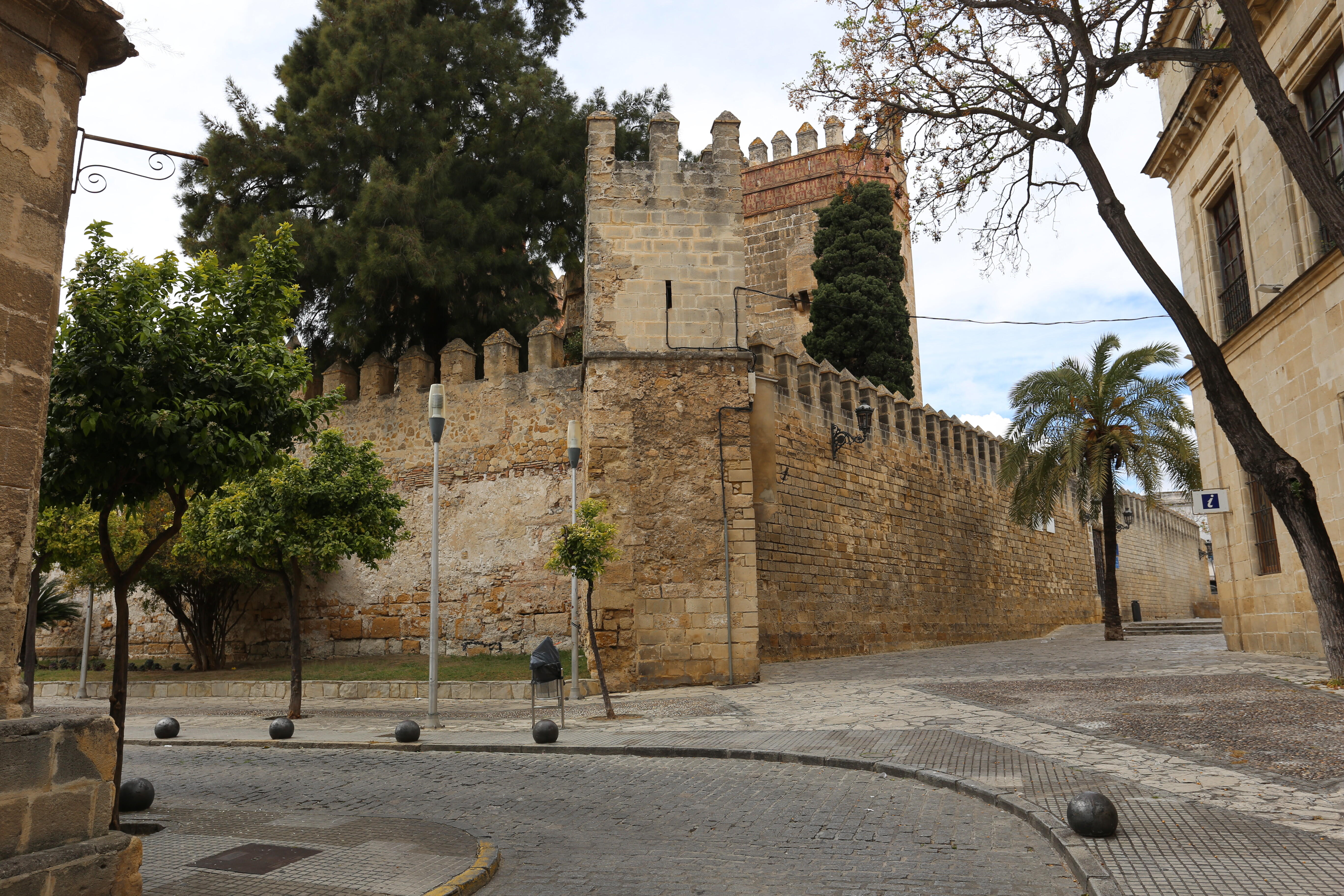
Castillo de San Marcos, El Puerto de Santa Maria
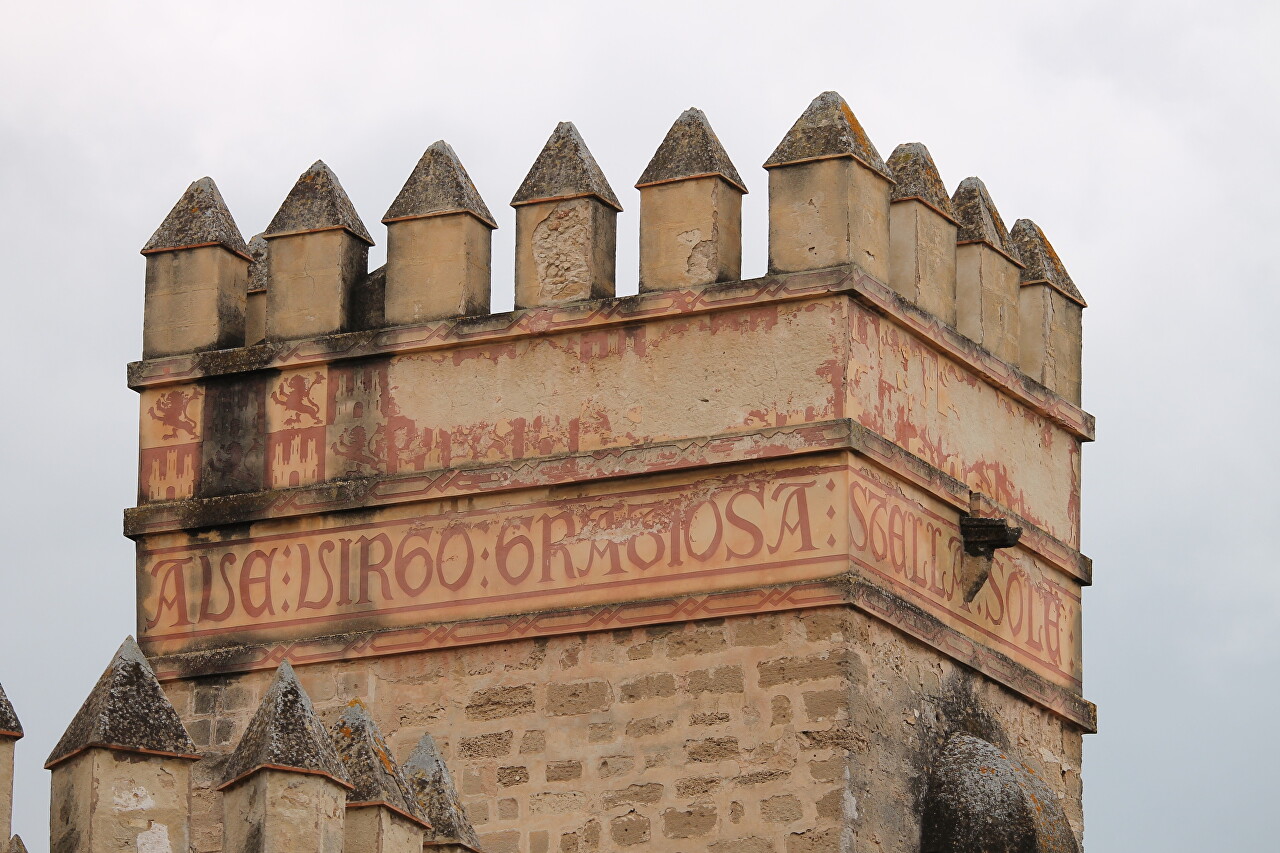
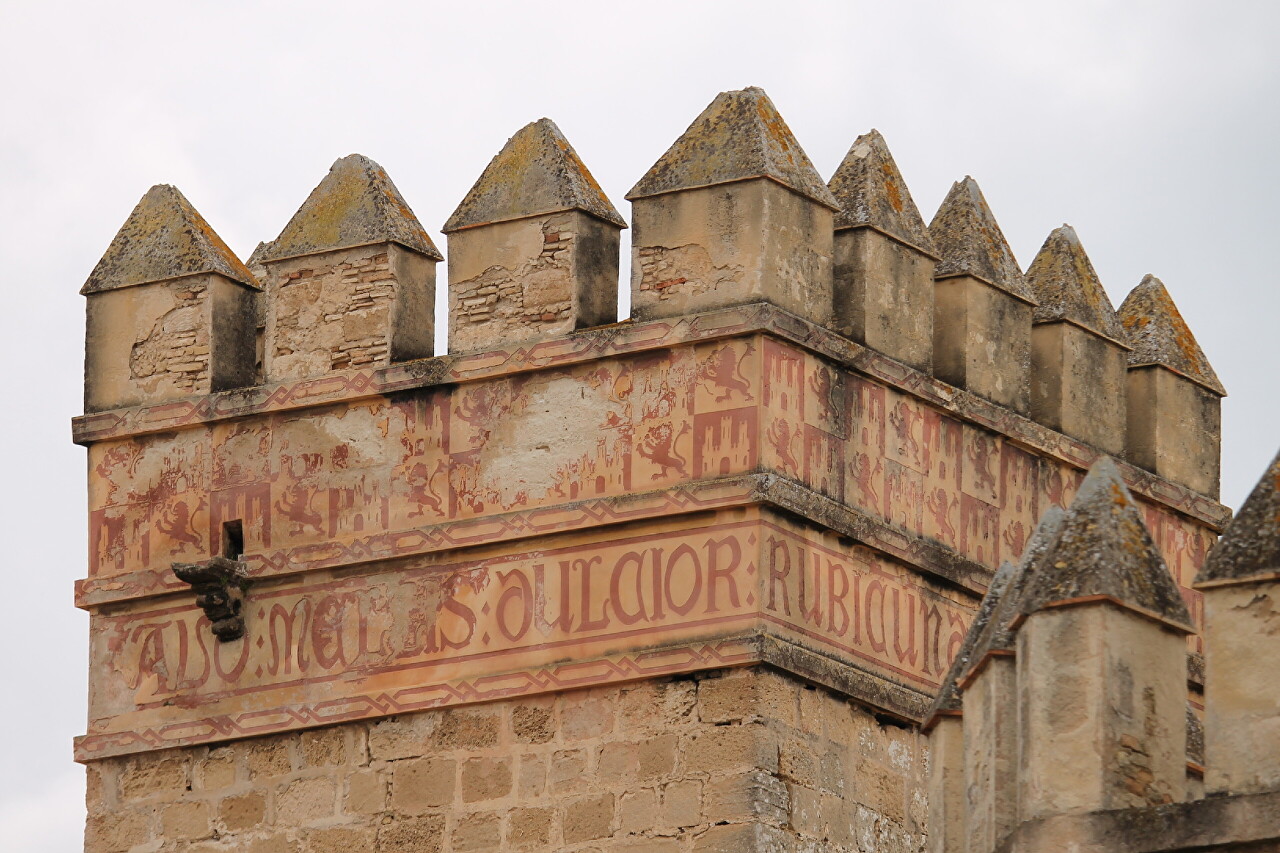
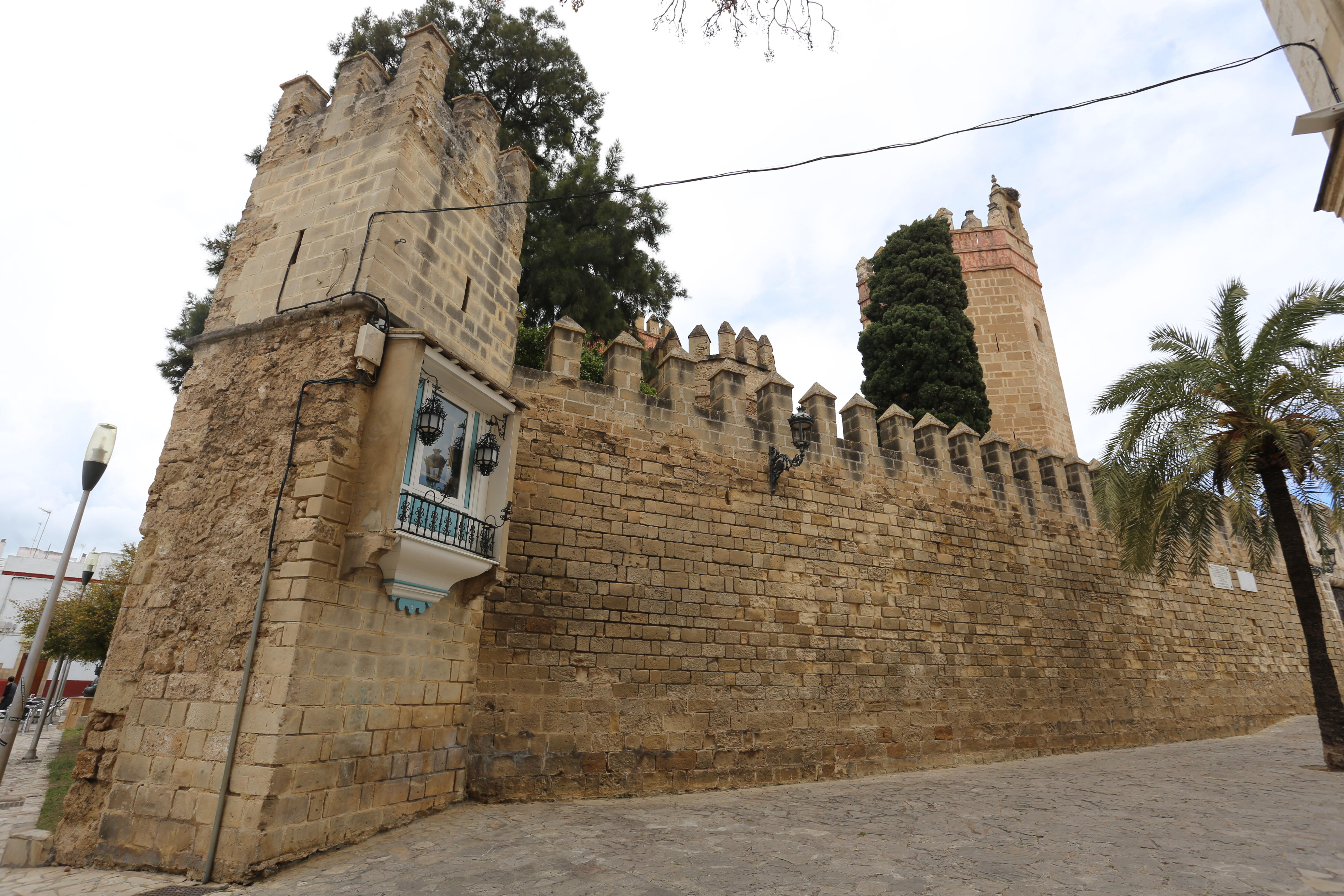
The main attraction of the city is located at Plaza Alfonso X el Sabio and has a very long history. In the first century BC, the Romans built the fortified settlement of Portus Gaditanus on this site, which controls the mouth of the Guadalete River. More than a thousand years later, during the time of the Caliphate of Cordoba, there was a settlement of Al-Kanatir. Around the 10th century, Muslims built a mosque on a Roman foundation. In the 11th and 12th centuries, as the threat from the Christian kingdoms grew, it was surrounded by a stone wall and turned into a small defensive citadel. In the 60s of the 12th century, the Castilian King Alfonso X the Wise conquered these lands from the Moors and renamed the settlement Santa Maria del Puerto. The king made the Muslim fortress his residence and ordered the mosque to be converted into a Christian church. At the same time, the mosque was not destroyed, but the prayer hall was divided into three naves, leaving intact the main wall with the mihrab (qibla) facing Mecca, in the lower tier of the mingaret Alfonso ordered to place the sacred image of Virgen de los Milagros. As you know, the enlightened king had a weakness for writing poetry and it was in this castle that he wrote part of his famous "Cantigas de Santa María" (Cantigas de Santa María), which became a masterpiece of medieval Galician-Portuguese literature. Since the 14th century, the fortress has been in the possession of the influential noble house of De la Cerda (the future Dukes of Medinaceli). In the 15th century, they turned the castle into a real fortress: an external battlement with corner towers was erected on the basis of Arab fortifications, and the bell tower of the Christian church (the highest minaret of the mosque) was rebuilt into a massive octagonal donjon, which was named Torre del Homenaje. The tower has received a complex shape of an irregular hexagon. The walls were significantly thickened and built up in height to withstand artillery attacks and serve as the main observation post for the Guadalete River and the Gulf of Cadiz. In this form, the castle has been preserved to this day and its silhouette has become a recognizable symbol of the city. At the end of the 15th century, the castle became an important base for the preparation of expeditions to the New World. The Duke of Medinaceli hosted Christopher Columbus here, and the famous cartographer Juan de la Cosa created the world's first map with the outlines of America in 1500. Later, the castle was used for administrative functions, and the city council met there until 1729. By the 19th century, the castle had lost its defensive significance and was used as a church, and then it was completely adapted for residential needs. In 1920, the state declared the castle a National Cultural Monument. In the 1950s, the famous Bodegas Caballero wine company bought the complex. The new owners carried out a large-scale restoration, returning the castle to its historical appearance. Today, San Marcos Castle is unique in that it is not just a museum with a thousand-year history, but also an active wine-making center, where the famous Andalusian sherry ripens in an authentic medieval atmosphere. You can visit the castle individually with a Saudi guide (10 euros) or with a guided tour (14 euros), some programs include visits to wine cellars and tastings (20 euros). You can buy tickets or book a tour online: castillodesanmarcos.com. Unfortunately, I was in Puerto de Santa Maria during the holidays, and I couldn't get into the fortress.
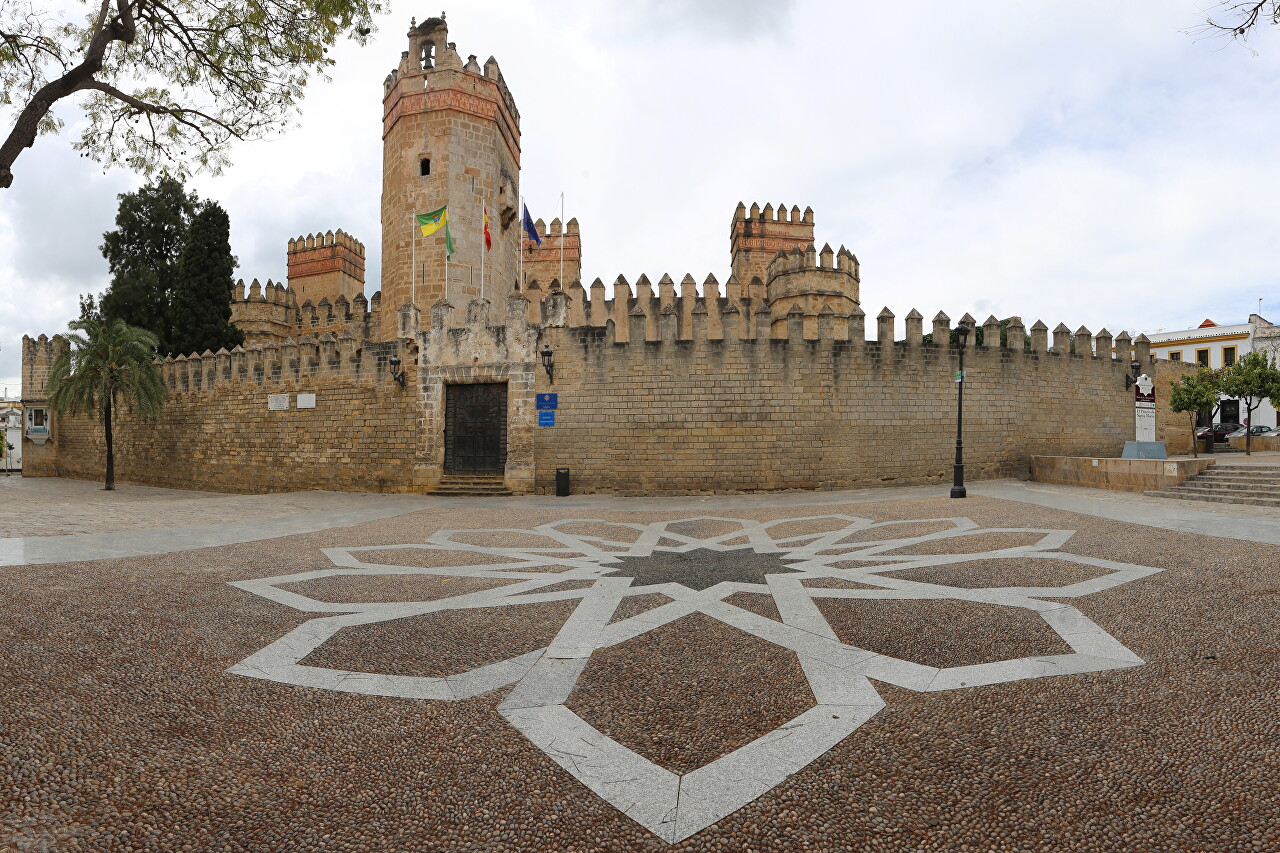
..
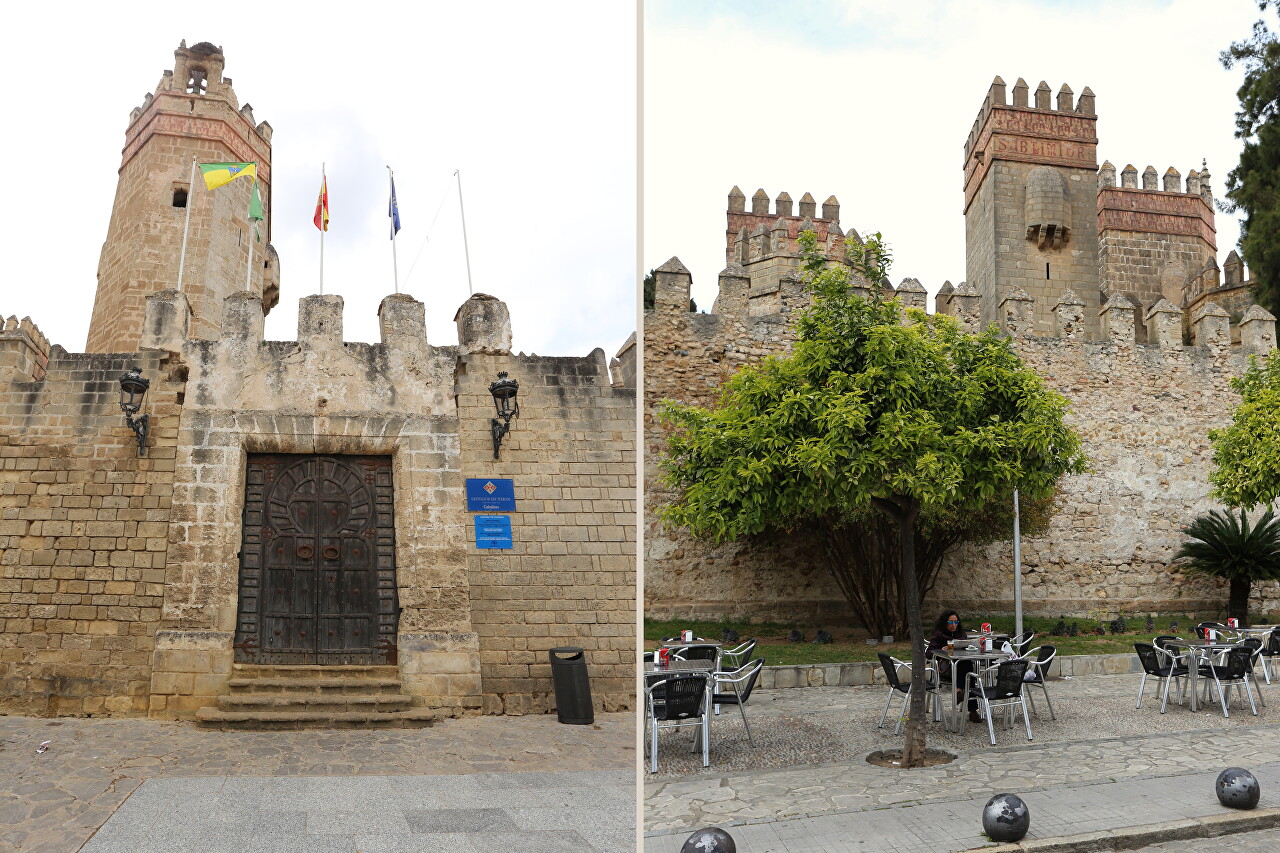
..
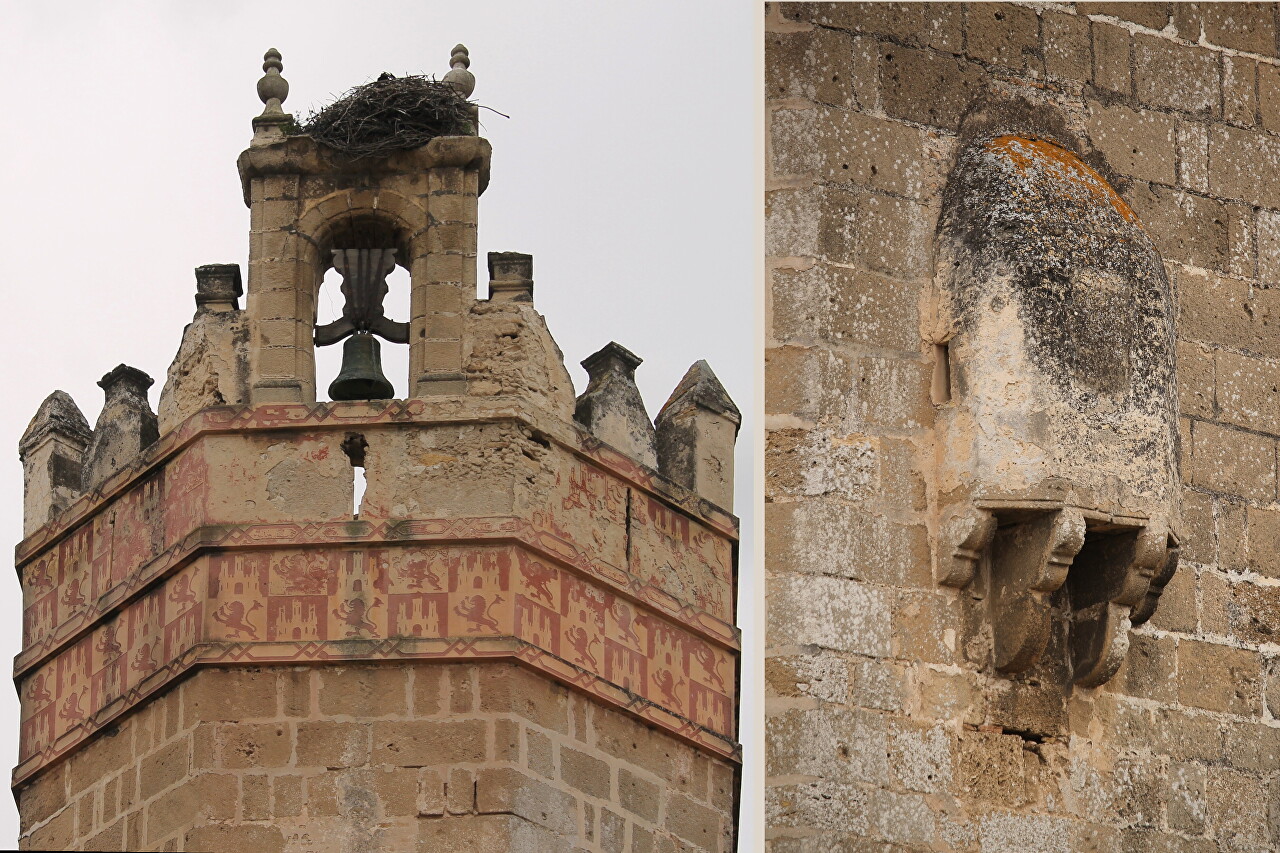
..
..
..
..